ATEX/ESD · Conductive
PROTAPE® PE 322 EC (XLD)
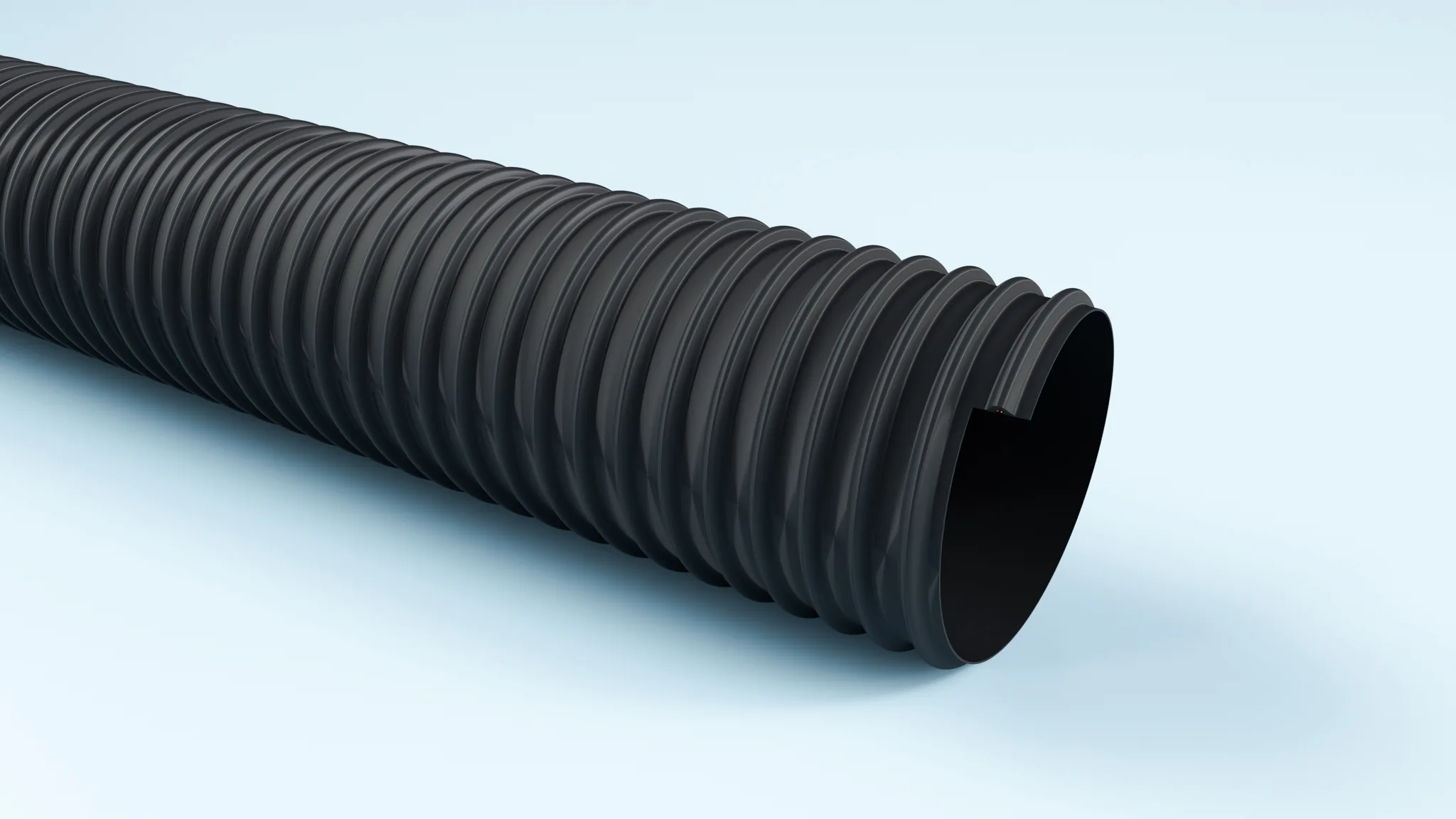
PROTAPE® PE 322 EC (XLD) is a highly flexible, compressible suction and pressure hose with a polyethylene wall and spring steel spiral. The wall is electrically conductive below 10³ Ω and highly resistant to chemicals. The manufacturer states a normal temperature range from −35 to +80°C. The hose is supplied in 19 sizes from inner Ø 40 to 300 mm.
- Conductive <10³ Ω
- Chemical-resistant
- −35 to +80°C
- Highly flexible and compressible
- Ø 40 to 300 mm
- Cut to length
Why this hose?
PROTAPE® PE 322 EC (XLD) has a thin wall of electrically conductive polyethylene. It is light, highly flexible and compressible, and the polyethylene is highly resistant to acids, alkalis and chemicals.
The manufacturer states an electrically conductive wall below 10³ Ω and a normal temperature range from −35 to +80°C.
Where it is used
The manufacturer lists extraction of chemical and solvent-containing vapours, dedusting and filter systems, extraction arms, spray mist, biogas and pneumatic conveying, among others.
The formal name is PROTAPE® PE 322 EC (XLD). In daily use: "the conductive PE hose".
Technical specifications
Specifications are current as of 30 October 2026 and come from the manufacturer's data sheet. Fields without a value are not stated by the manufacturer.
| Material | Polyethylene (PE), electrically conductive |
|---|---|
| Spiral | Spring steel |
| Colour | Black |
| Wall thickness | 0.3 mm (XLD) |
| Conveying media | Gas, dust |
| Temperature range | −35°C to +80°C |
| Electrical resistance | Electrically conductive <103 Ω |
| Manufacturer SKU (model group) | 3221003 |
Dimensions and ordering
The table shows the standard sizes from the manufacturer's data sheet. Fields without a value (—) are not stated.
| Inner Ø |
Outer Ø |
Wall thickness |
Working pressure |
Vacuum |
Bend radius |
Max. length |
Weight |
Roll |
Article no. |
|---|---|---|---|---|---|---|---|---|---|
| 40 | 45 | 0.3 | 0.47 | 0.28 | 27 | 20 | 0.12 | 10 | 32200401003 |
| 50.5 | 55.5 | 0.3 | 0.38 | 0.24 | 33 | 20 | 0.16 | 10 | 32200501003 |
| 60 | 67 | 0.3 | 0.315 | 0.19 | 38 | 20 | 0.2 | 10 | 32200601003 |
| 70 | 78 | 0.3 | 0.255 | 0.14 | 44 | 20 | 0.23 | — | 32200701003 |
| 75.6 | 83.6 | 0.3 | 0.255 | 0.13 | 46 | 20 | 0.26 | 10 | 32200751003 |
| 80 | 87 | 0.3 | 0.24 | 0.12 | 48 | 20 | 0.26 | 10 | 32200801003 |
| 90 | 98 | 0.3 | 0.21 | 0.1 | 53 | 20 | 0.29 | 10 | 32200901003 |
| 95 | 103 | 0.3 | 0.19 | 0.08 | 56 | 20 | 0.31 | — | 32200951003 |
| 101.5 | 108.5 | 0.3 | 0.19 | 0.08 | 58 | 20 | 0.33 | 10 | 32201001003 |
| 110 | 118 | 0.3 | 0.175 | 0.075 | 63 | 20 | 0.36 | 10 | 32201101003 |
| 120 | 128 | 0.3 | 0.16 | 0.07 | 68 | 20 | 0.39 | 10 | 32201201003 |
| 126.5 | 133.5 | 0.3 | 0.155 | 0.055 | 71 | 20 | 0.41 | 10 | 32201251003 |
| 140 | 147 | 0.3 | 0.135 | 0.05 | 78 | 20 | 0.45 | — | 32201401003 |
| 151.5 | 158.5 | 0.3 | 0.125 | 0.05 | 83 | 15 | 0.48 | 10 | 32201501003 |
| 160 | 167 | 0.3 | 0.12 | 0.045 | 88 | 15 | 0.51 | 10 | 32201601003 |
| 180 | 188 | 0.3 | 0.105 | 0.035 | 98 | 15 | 0.57 | 10 | 32201801003 |
| 202.3 | 209.3 | 0.3 | 0.095 | 0.035 | 108 | 15 | 0.73 | 10 | 32202001003 |
| 250 | 258 | 0.3 | 0.075 | 0.015 | 133 | 15 | 0.99 | 10 | 32202501003 |
| 300 | 309 | 0.3 | 0.065 | 0.01 | 159 | 10 | 1.36 | — | 32203001003 |
Fields without a value (—) are not specified in the manufacturer's factsheet. Overpressure and underpressure values are recommended operating limits; the product can be subjected to higher loads on request. Bend radius is measured along the inside of the hose bend.

Standards and compliance
The manufacturer documents the following:
- Electrically conductive wall. Electrical and surface resistance below 10³ Ω (below 10⁶ Ω according to NFPA 652).
- ATEX 2014/34/EU (1999/92/EC) and TRGS 727. The manufacturer assesses the hose for pneumatic transport of flammable dusts (zones 20, 21 and 22 inside), aspiration of combustible dusts (zone 22 inside), conveying flammable liquids (zones 0, 1 and 2 inside) and use in zones 0, 1 and 2 for gases.
- REACH (EC 1907/2006) and RoHS 2011/65/EU. The manufacturer holds declarations of compliance.
A hose is not itself ATEX certified. It must always be grounded, and the zone is decided in your own zone assessment.
Documentation and downloads
Additional documents about this hose, its compliance and installation. Click to download as PDF in a new tab.
Help with material selection
If you're choosing a hose and are unsure about the right resistance level or zone classification, these two articles are a good place to start:
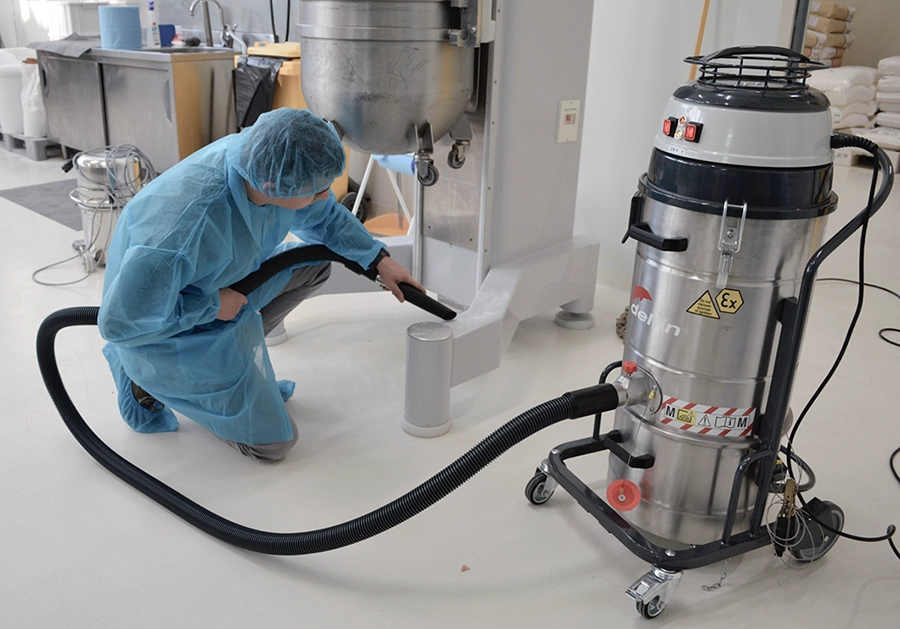
The invisible weakest link
Why a conductive or antistatic hose isn't sufficient on its own — and what grounding means for the complete system.
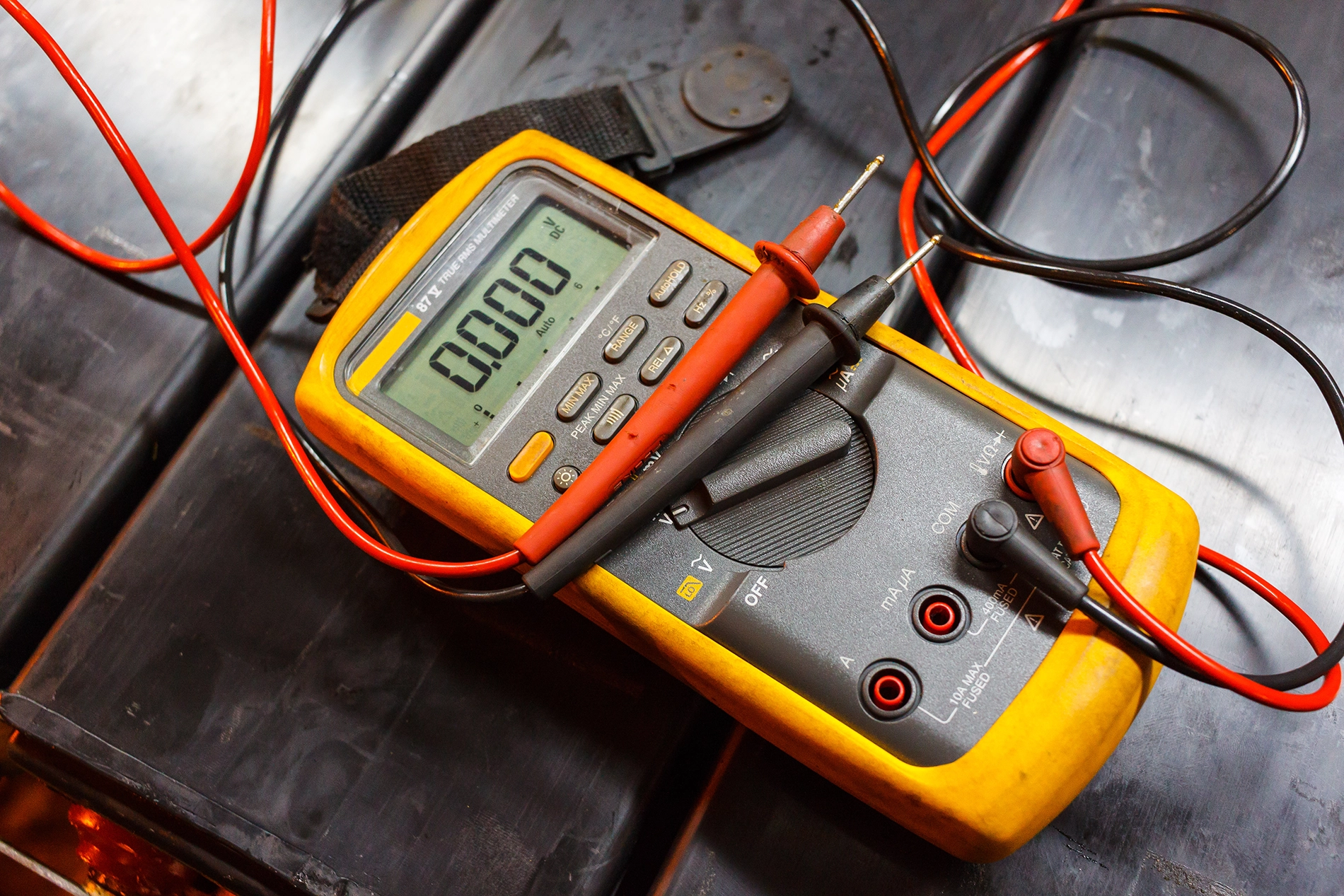
Know your ohm
The difference between antistatic and conductive, which resistance limits apply where, and how to measure them correctly.
Industries that use it
The manufacturer lists, among others:
Chemical industry, mining, extraction and filtration technology, surface technology, energy, waste and recycling, and ventilation.
Custom lengths and assemblies
The hose can be cut to length and assembled with couplings and cuffs. We advise on assembly and grounding so the hose fits your installation.


Frequently asked questions
Can the hose be used in explosion hazard areas?
The manufacturer assesses the hose to ATEX 2014/34/EU and TRGS 727 for, among others, pneumatic transport of flammable dusts (zones 20, 21 and 22 inside), conveying flammable liquids (zones 0, 1 and 2 inside) and use in zones 0, 1 and 2 for gases. A hose is not itself ATEX certified. It must always be grounded, and the zone is decided in your own zone assessment.
What does XLD mean?
XLD stands for extra light duty. The wall is only 0.3 mm thick, so the hose is light and compressible, which makes it easy to handle on extraction arms and in tight installations.