ATEX/ESD · Antistatic
TIMBERDUC PUR 533 AS
TIMBERDUC PUR 533 AS is the robust industrial version with increased pressure and vacuum resistance compared to the 531/532 series. Antistatic PUR wall, intended for demanding industrial woodworking applications where abrasion resistance and pressure tolerance are decisive.
- Zone 22 inside
- Antistatic <10^9 Ohm
- DIN 4102-B1
- -40 to +90 C
- Abrasion-resistant PUR
- Highly flexible 3:1
Why this hose?
TIMBERDUC PUR 533 AS is built specifically for the combined requirements of the wood industry: combustible dust, static electricity, abrasive particles and fire-class demands. The permanently antistatic PUR formulation has wall resistance below 10^9 Ohm both on the surface and in the volume, complying with the ATEX directive's requirements for zone 22 and NFPA 652's requirements for dust safety. This is not an additive surface coating that wears off -- it is the material itself.
The wear resistance of the PUR wall is significantly superior to PVC and rubber, meaning longer service life in environments where the hose is constantly subjected to chips, wood dust and granulate. TIMBERDUC PUR 533 AS has spring-steel reinforcement embedded in the wall -- this provides pressure resistance, vacuum stability and a smooth interior surface that reduces air resistance and pre-cleaning activity.
Fire classification to DIN 4102-B1 means the hose burns only locally and does not spread flame. Combined with the antistatic properties, the hose is the preferred solution for CNC milling, carpentries and filter systems, where a flame-spreading hose would escalate a local ignition to an explosion event in the dust collector.
Where it is used
The hose typically sits between a suction arm or machine hood and a filter unit or cyclone. In the wood industry it is the standard solution for everything from smaller carpentries with a single suction arm to large CNC plants where several thousand cubic metres of air per hour must be moved without flame spread or static charging.
In the paper industry the hose is used at cutting, perforating and rolling where paper dust accumulates rapidly. The fire class is required by many countries' building regulations for installations on wood-fed machines. The hose is earthed via worm-drive clamps or dedicated ATEX flange connections -- we are happy to advise on compatible accessory solutions.
In CNC milling the hose is typically mounted on a moving extraction arm that follows the spindle's movement. High flexibility means the hose does not kink in extreme positions, and the low weight significantly reduces the load on the machine's extraction arm.
TIMBERDUC is colloquially known as a wood-dust hose, chip hose or extraction hose.
Technical specifications
Specifications are applicable per the manufacturer's factsheet (15.04.2026).
| Material | Polyurethane (PUR), permanently antistatic |
|---|---|
| Colour | transparent / black |
| Wall construction | PUR wall with spring-steel reinforcement; AS formulation |
| Spiral material | Spring-steel wire embedded in the wall |
| Temperature | -40 to +90 C (peak 125 C) |
| Resistance | <109 Ohm (surface and volume, ISO 8031) |
| Fire class | DIN 4102-B1 (hard to ignite) |
| ATEX | Zone 22 inside; zones 1+2 outside |
| Compression | 3:1 |
| Duty class | Industrial heavy duty |
Dimensions and ordering
The dimension table shows the standard variants TIMBERDUC is produced in. Additional dimensions are often possible -- contact us for special requirements.
| Inner Ø |
Bend radius |
Max. length |
Weight |
Article no. |
|---|---|---|---|---|
| 100 | 98 | 16 | 1.2 | 53301002173 |
| 104 | 100 | 15 | 1.24 | 53301042173 |
Fields without a value (em-dash) are not specified in the manufacturer's factsheet. Overpressure and underpressure values are recommended operating limits; the product can be subjected to higher loads on request. Bend radius is measured along the inside of the hose bend.

Standards and compliance
The hose is manufactured in accordance with the following standards and directives.
- ATEX 2014/34/EU (1999/92/EC). Directive for products used in potentially explosive atmospheres. The hose's antistatic properties meet the requirements for zone 22 (dust inside) and zones 1+2 (gases).
- TRGS 727 (Germany). Technical rules for hazardous substances. Specifically: aspiration of combustible dust is permitted with the hose in zone 22 inside.
- DIN 26057 Type 1. German industrial standard for suction and pressure hoses; TIMBERDUC meets Type 1 requirements for wood industry applications.
- DIN 4102-B1. German fire classification -- B1 means hard to ignite and only local burning without flame spread.
- ISO 8031. Measurement of electrical resistance in rubber and plastic hoses. TIMBERDUC has surface and volume resistance below 10^9 Ohm.
- NFPA 652. American standard for dust safety; the hose's electrical resistance in the range 10^8-10^9 Ohm meets NFPA's requirements.
- RoHS directive (2011/65/EU). Restriction of hazardous substances in electrical and electronic equipment. Manufacturer declaration available.
Documentation and downloads
Additional documents about this hose, its compliance and installation. Click to download as PDF in a new tab.
Help with material selection
If you're choosing a hose and are unsure about the right resistance level or zone classification, these two articles are a good place to start:
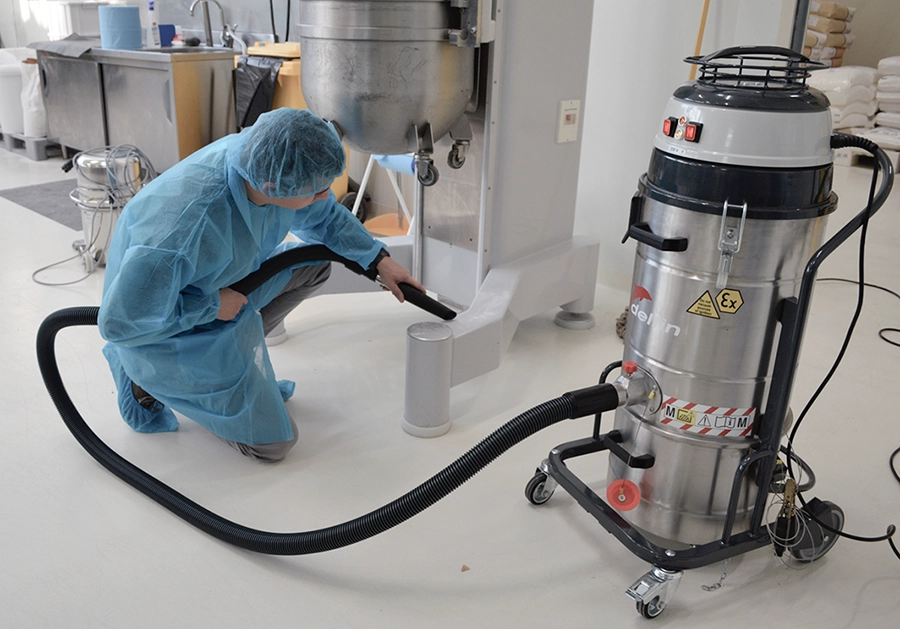
The invisible weakest link
Why a conductive or antistatic hose isn't sufficient on its own — and what grounding means for the complete system.
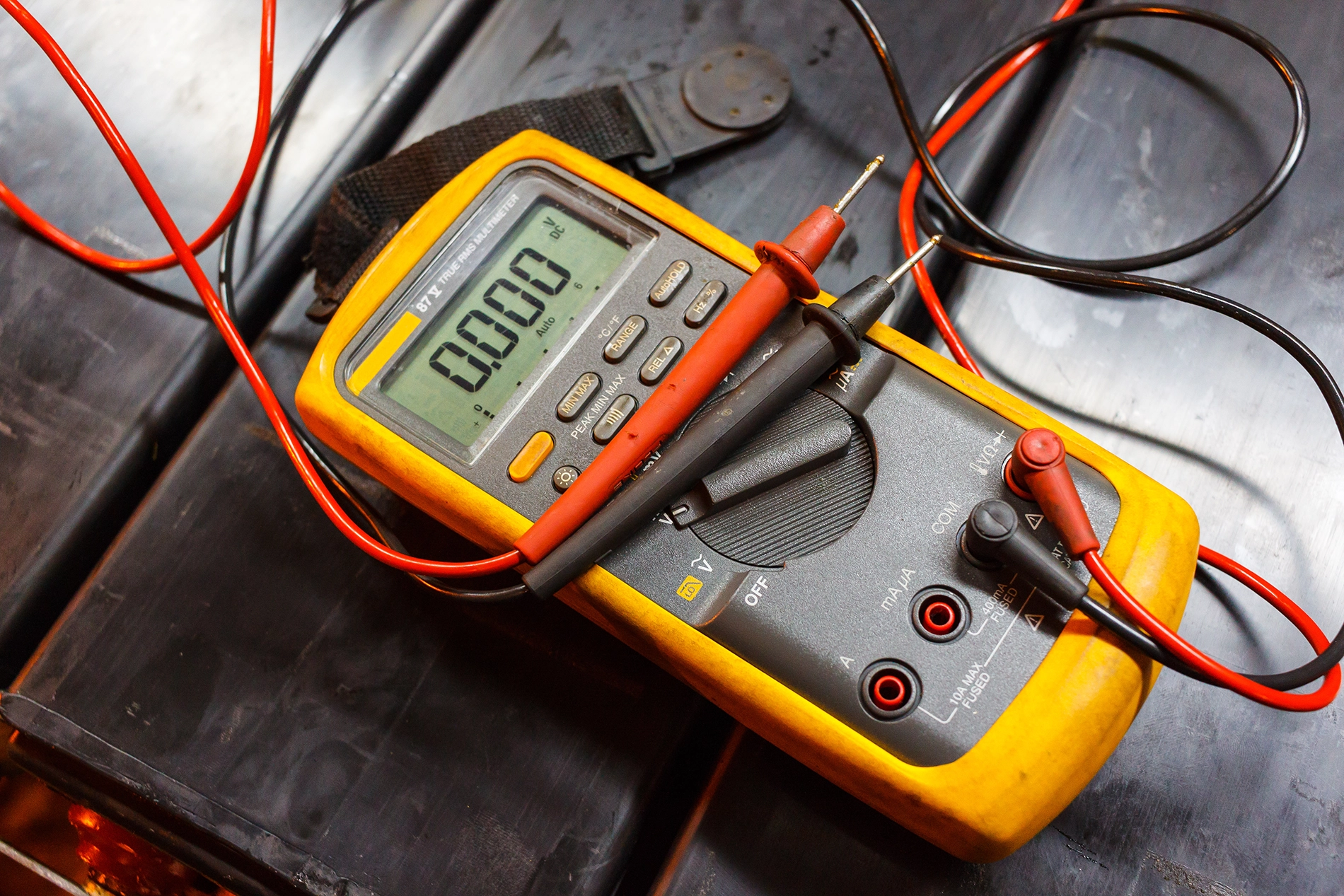
Know your ohm
The difference between antistatic and conductive, which resistance limits apply where, and how to measure them correctly.
Industries that use it
The TIMBERDUC series is designed for the specific requirements of the wood industry: highly flexible suction and pressure hoses that resist abrasion, accumulate no static electricity and meet the safety regulations of the German Wood Trade Association. Used across woodworking, the paper industry and filter systems.
Wood-dust extraction is one of the most hazardous applications in industry because fine dust is combustible, forms explosive mixtures and builds up static electricity quickly. TIMBERDUC hoses have a permanently antistatic wall with surface and volume resistance below 10^9 Ohm, complying with ISO 8031 and NFPA 652. In practice this means the hose conducts accumulated charge to ground as soon as it is assembled and properly earthed.
The hose is classified to ATEX 2014/34/EU and TRGS 727 for Zone 22 (dust inside) and can be used with non-combustible liquids. For gases it covers zones 1 and 2. Fire classification to DIN 4102-B1 means the hose burns only locally and does not spread flame, which is critical in support and extraction installations.
In CNC milling, sawing and grinding the hose is subjected to constant abrasive loading from chips and particles. The wear resistance of the PUR wall is significantly superior to PVC or rubber, which considerably extends service life in dusty environments. High flexibility with a 3:1 compression ratio allows the hose to be routed around edges and machine structures without kinking.
Custom lengths and assemblies
The hose can be delivered cut to desired lengths. The standard lengths in the table can be supplemented with shorter pieces or continuous rolls by arrangement.
At Particulair we are happy to advise on sizing, earthing and connections for ATEX applications. Send us your application sketch and we will assess the right variant and length.


Frequently asked questions
Which ATEX zones is TIMBERDUC approved for?
TIMBERDUC AS is classified to ATEX 2014/34/EU and TRGS 727 for zone 22 (combustible dust inside) and can be used with non-combustible liquids. For gases it covers zones 1 and 2 outside. The hose must be properly earthed for the resistance below 10^9 Ohm to actually conduct accumulated charge to ground.
What do XLD, LD, MD mean in the product name?
XLD = extra light duty (thinner wall, suitable for light dust and air), LD = light duty (standard daily use), MD = medium duty (specifically for CNC milling, thicker wall). The 533 series is industrial heavy duty. Choose the variant according to the actual mechanical and pressure load.
Does TIMBERDUC need to be earthed to function antistatically?
Yes. The antistatic property requires the hose to be connected to ground via the coupling. An antistatic hose without proper earthing is NOT antistatic in practice -- accumulated charge must be able to be led away. Use ATEX-approved worm-drive clamps or flange connections with ground termination.
What is the difference between TIMBERDUC and a standard PUR hose?
TIMBERDUC has a permanently antistatic wall (resistance <10^9 Ohm) and fire classification DIN 4102-B1. A standard PUR hose without AS marking can build up static electricity and is not flame-retardant, which makes it unsuitable for wood-dust extraction. The difference lies in the material formulation, not the geometry.
How long does TIMBERDUC last in daily use?
Service life depends on load and particle aggressiveness. In daily chip and dust extraction, a service life of 5-10 years is typical for 532 LD and 533 AS, while 531 XLD in light applications can last 3-5 years. Annual inspection of wear points and spiral winding is recommended.
Can the hose be delivered in lengths other than those listed?
Yes. The standard roll lengths in the table can be supplemented with shorter pieces or continuous rolls by arrangement. Contact us with your application sketch and we will find the right variant and length.
Which couplings are recommended for ATEX installation?
We recommend ATEX-approved worm-drive clamps or dedicated flange connections with documented earthing. The hose is typically assembled and earthed via metal couplings that make direct contact with the spiral reinforcement. We are happy to advise on sizing and supply complete assemblies with proper ground termination.
How do I store the hose?
Store in a dry, dark place at room temperature. The hose can be compressed up to 3:1 without damage. Avoid direct UV light and contact with solvents during storage. The hose is typically delivered on a roll.