Food/Pharma · EU 1935/2004 + EU 10/2011
AIRDUC® PUR-INOX 351 FOOD-AS (MD)
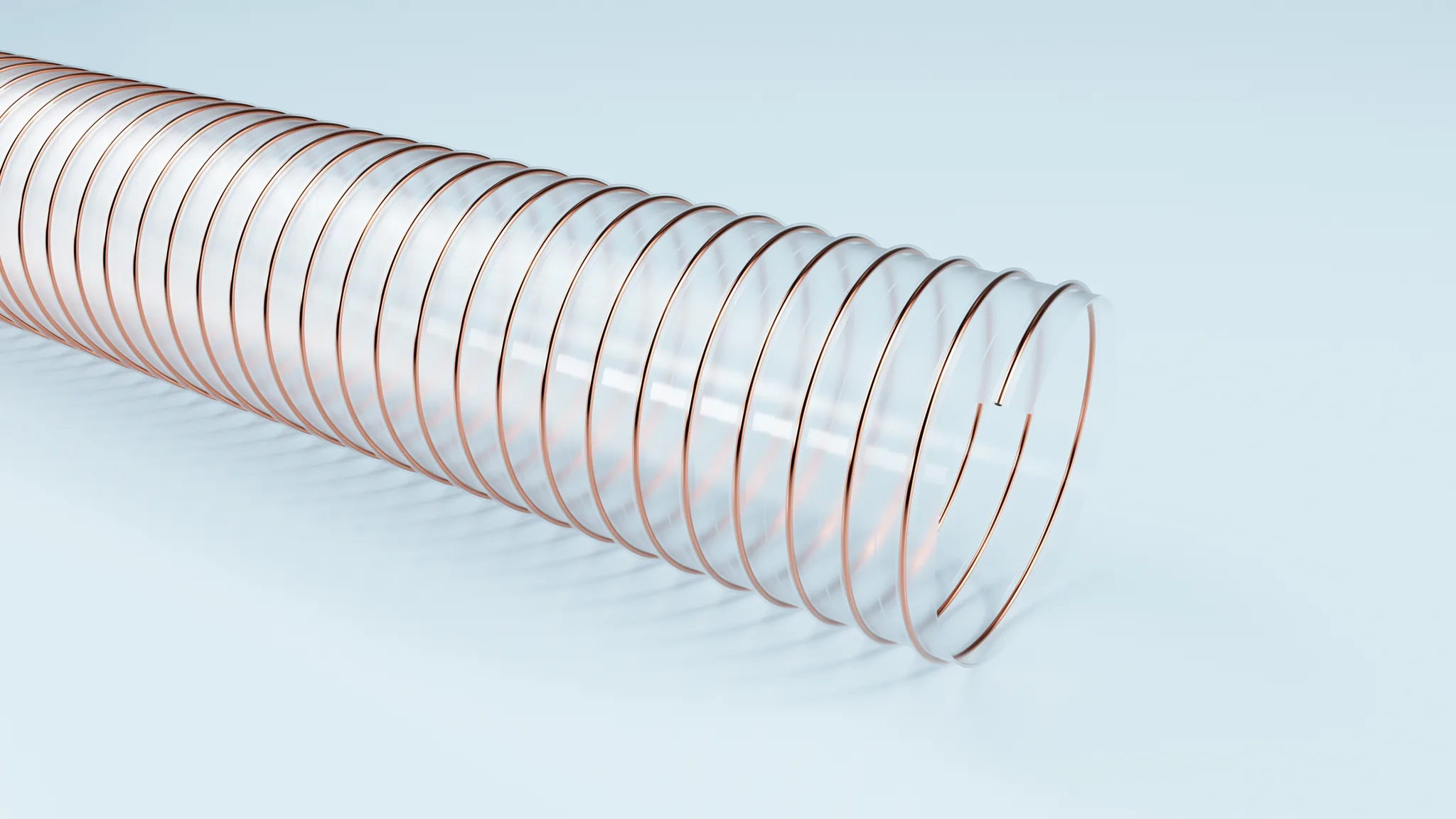
Hard-wearing antistatic polyurethane hose with stainless steel (INOX) spiral, specifically designed for conveying dry, abrasive bulk materials and powders in the food and pharmaceutical industries. The wall construction combines food-grade quality (EU 10/2011, EC 1935/2004, FDA 21 CFR 177.2600) with an antistatic wall. After grounding, the resistance between the two ends of the hose must be below 10⁹ Ω. A hose is not itself ATEX-certified, and whether it suits a particular zone is decided in your own zone assessment. The spiral is stainless steel (INOX).
- Food-grade EU + FDA
- Antistatic <10⁹ Ω
- Grounded at both ends
- Abrasion-resistant PUR wall
- Stainless steel spiral
- Cut to length
Why this hose?
AIRDUC® PUR-INOX 351 FOOD-AS (MD) solves a specific problem: how do you convey combustible powder in food or pharmaceutical industries without compromising either food safety or protection against static electricity?
The wall construction is food-grade PUR. It is the same base construction as AIRDUC® PUR 351 FOOD (MD), but here the wall is permanently antistatic. After grounding, the resistance between the two ends of the hose must be below 10⁹ Ω. Combined with the stainless steel spiral instead of regular spring steel, you get a hose with a stainless spiral that can be grounded, so it conducts static electricity away. Whether the hose suits a particular zone is decided in your own zone assessment.
In practice, that means the hose can be used for pneumatic conveyance of flour, sugar, grain, cocoa and pharmaceutical powders — all dry bulk materials where the dust is combustible and food safety is a formal requirement.
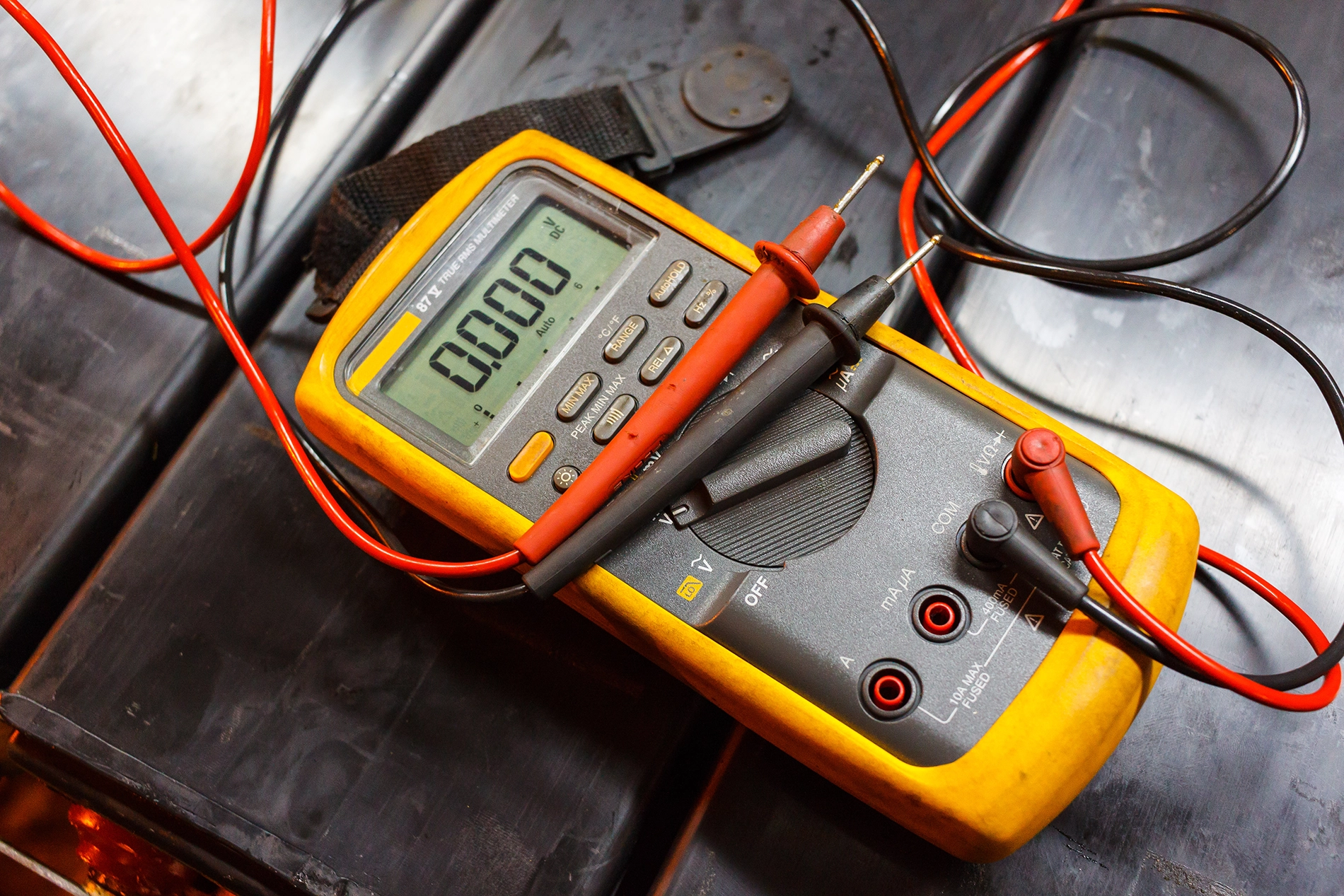
The hose is one part of a system. The antistatic property assumes the entire system is correctly grounded. Proper grounding is a prerequisite for the antistatic property to function. We always recommend measuring loop resistance after installation.
Where it is used
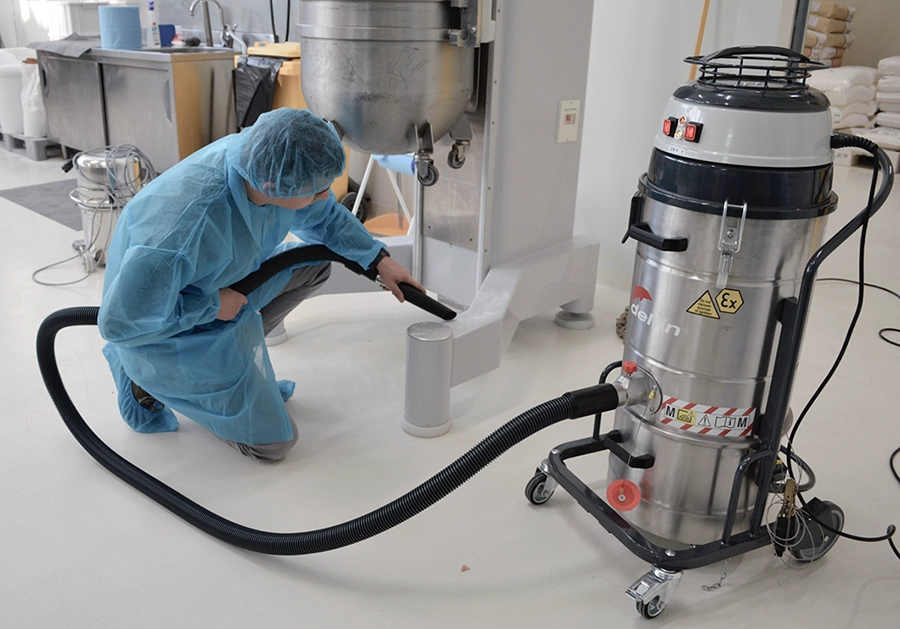
AIRDUC® PUR-INOX 351 FOOD-AS (MD) is a workhorse in processes that demand both food safety and dissipation of static electricity. That is classic in dairy and pharmaceutical industries, where combustible powders are conveyed.
In practice we see it most often used for bulk-bag filling and discharging, for granulate conveying in pharmaceutical production, and for tablet presses and powder management.
It is also used for pneumatic conveyance of grain, flour and animal feed in agricultural and food production, and for extraction in food production.
The formal product name is AIRDUC® PUR-INOX 351 FOOD-AS (MD). In daily use, many simply call it "the food-AS hose" or "INOX-AS" — the right choice when both food approval and antistatic discharge are necessary.
Technical specifications
Specifications are current as of 15 April 2026 and refer to 20°C unless otherwise stated.
| Material | Polyurethane (PUR), food-grade and permanently antistatic |
|---|---|
| Colour | Transparent |
| Wall construction | Medium duty (MD), spiral-reinforced food-grade PUR with stainless steel spiral |
| Spiral material | Stainless steel (INOX) |
| Conveying media | Gas, dust, liquid, solid |
| Temperature range | −40°C to +90°C |
| Short-term peak | +90°C |
| Electrical resistance | Antistatic. After grounding, the resistance between the two ends of the hose must be below 10⁹ Ω (NORRES, installation guidelines) |
| Food approval | EU 1935/2004, EU 10/2011 (tested with simulant E: 2 hours at up to 70 °C or 15 minutes at 100 °C), FDA 21 CFR 177.2600 (raw materials) |
| Explosive atmospheres | A hose is not itself ATEX-certified. NORRES' test report (TRGS 727, August 2020) assesses the hose, when grounded, for among other things pneumatic conveying of combustible dust and extraction. The zone is decided in your own zone assessment. |
| Cut to length | Yes |
| Manufacturer SKU (model group) | 3511018 |
Agree cleaning with us. The spiral is stainless steel (INOX). If the hose is to be cleaned with hot water, steam or cleaning agents, we obtain the manufacturer's recommendation for your specific cleaning before the hose is put into service.
Dimensions and ordering
The table shows the main variants from the manufacturer's factsheet. Fields without a value (—) are not specified. Diameters, pressure values and bend radii are normative; weights and roll lengths are typical production values.
| Inner Ø |
Outer Ø |
Wall thickness |
Working pressure |
Working pressure |
Vacuum |
Vacuum |
Bend radius |
Max. length |
Weight |
Roll |
Article no. |
|---|---|---|---|---|---|---|---|---|---|---|---|
| 25.1 | 32.1 | 1 | 2.64 | 4.49 | 0.68 | 1 | 22 | 21 | 0.24 | 10 | 35100251018 |
| 32 | 40 | 1 | 2.09 | 3.56 | 0.44 | 1 | 28 | 20 | 0.29 | 10 | 35100321018 |
| 38 | 46 | 1 | 1.775 | 3.02 | 0.37 | 1 | 32 | 20 | 0.34 | 10 | 35100381018 |
| 40 | 48 | 1 | 1.69 | 2.87 | 0.355 | 1 | 33 | 30 | 0.36 | 10 | 35100401018 |
| 50.5 | 58.5 | 1 | 1.365 | 2.32 | 0.285 | 1 | 39 | 30 | 0.44 | 10 | 35100501018 |
| 60 | 68 | 1 | 1.145 | 1.94 | 0.235 | 0.82 | 45 | 30 | 0.52 | 10 | 35100601018 |
| 64.5 | 72.5 | 1 | 1.055 | 1.79 | 0.22 | 0.7 | 48 | 30 | 0.55 | 10 | 35100651018 |
| 70 | 79 | 1 | 0.985 | 1.67 | 0.145 | 0.83 | 52 | 25 | 0.6 | 10 | 35100701018 |
| 75 | 84 | 1 | 0.92 | 1.56 | 0.135 | 0.72 | 55 | 25 | 0.64 | 10 | 35100751018 |
| 80 | 89 | 1 | 0.865 | 1.46 | 0.125 | 0.64 | 58 | 25 | 0.68 | 10 | 35100801018 |
| 90 | 99 | 1 | 0.77 | 1.3 | 0.11 | 0.5 | 64 | 30 | 0.76 | 5, 10 | 35100901018 |
| 101.5 | 110.5 | 1 | 0.695 | 1.18 | 0.105 | 0.66 | 70 | 25 | 0.98 | 10 | 35101001018 |
| 105 | 114 | 1 | 0.63 | 1.07 | 0.095 | 0.54 | 74 | 25 | 1.06 | — | 35101051018 |
| 110 | 119 | 1 | 0.63 | 1.07 | 0.095 | 0.54 | 76 | 25 | 1.06 | — | 35101101018 |
| 120 | 129 | 1 | 0.555 | 0.94 | 0.085 | 0.42 | 81 | 25 | 1.16 | — | 35101201018 |
| 126.5 | 135.5 | 1 | 0.555 | 0.94 | 0.085 | 0.42 | 85 | 25 | 1.22 | 10 | 35101251018 |
| 140 | 149 | 1 | 0.5 | 0.84 | 0.075 | 0.33 | 94 | 25 | 1.34 | — | 35101401018 |
| 151.5 | 160.5 | 1 | 0.465 | 0.79 | 0.075 | 0.37 | 100 | 20 | 1.6 | 10 | 35101501018 |
| 160 | 169 | 1 | 0.435 | 0.74 | 0.07 | 0.32 | 106 | 20 | 1.68 | — | 35101601018 |
| 180 | 189 | 1 | 0.35 | 0.59 | 0.055 | 0.2 | 118 | 20 | 1.89 | — | 35101801018 |
| 202.3 | 211.3 | 1 | 0.35 | 0.59 | 0.055 | 0.2 | 133 | 15 | 2.12 | 10 | 35102001018 |
| 225 | 234 | 1 | — | — | — | — | 145 | 15 | 2.19 | — | 35102251018 |
| 250 | 259 | 1 | — | — | — | — | 160 | 15 | 2.43 | — | 35102501018 |
Overpressure and underpressure values are recommended operating limits; the product can be subjected to higher loads on request. Bend radius is measured along the inside of the hose bend.

Standards and compliance
The hose is covered by the following documentation and standards:
- EU 10/2011. EU regulation for plastic materials in contact with food. NORRES declares that the raw materials comply with the regulation, and the hose has been tested by Hygiene-Institut des Ruhrgebiets with simulant E (2 hours at up to 70 °C or 15 minutes at 100 °C).
- EU 1935/2004. The framework regulation for materials and articles in contact with food.
- FDA 21 CFR 177.2600. The US food regulator's requirements for polyurethane materials in food contact.
- ISO 9001. NORRES' quality management system is certified to DIN/ISO 9001.
- TRGS 727. NORRES' test report (EN 10204 2.1, August 2020) assesses the electrostatic properties of the hose when grounded. A hose is not equipment under ATEX Directive 2014/34/EU, and the zone is decided in your own zone assessment.
- REACH (EC 1907/2006) and RoHS 2011/65/EU. The manufacturer holds declarations of compliance.
Documentation and downloads
Additional documents about this hose, its compliance and installation. Click to download as PDF in a new tab.
Help with material selection
If you are choosing a hose and are uncertain about the right resistance level or zone classification, these two articles are a good place to start:
Industries that use it
The hose is used across industries where food approval, antistatic wall and grounding are combined needs:
Food and pharmaceutical industries use the hose for pneumatic conveyance of flour, sugar, cocoa, tablet powder and similar food powders where the dust is combustible.
Agriculture and feed use it for grain pneumatics and feed handling where food contact and static dissipation are combined requirements.
Bulk and silo technology use the hose on bulk-bag systems and silo trucks in food and pharma distribution.
Custom lengths and assemblies
The hose can be cut to length and assembled with couplings, cuffs and threaded fittings through Particulair's custom hose assemblies.
We offer guidance on material choice, coupling system and grounding, so the hose fits correctly into the overall system. If there is any doubt about zone classification or resistance requirements, a short conversation before ordering is well worth the time.


Frequently asked questions
Is AIRDUC® PUR-INOX 351 FOOD-AS (MD) food-grade?
Yes. NORRES declares that the raw materials comply with EU 10/2011 and EC 1935/2004, and the hose has been tested with simulant E. The raw materials are listed in FDA 21 CFR 177.2600. The declaration is dated 22 January 2024.
What does the ISO 9001 certification mean?
NORRES' quality management system is certified to DIN/ISO 9001. It says something about how the manufacturer controls its production, but is not in itself a food approval.
Can AIRDUC® PUR-INOX 351 FOOD-AS (MD) be used in an explosive atmosphere?
A hose is not itself ATEX-certified. NORRES' test report (TRGS 727, August 2020) assesses the hose, when grounded, for among other things pneumatic conveying of combustible dust. It must always be grounded, and whether it suits a particular zone is decided in your own zone assessment.
What temperature range does the hose tolerate?
The normal operating range is −40°C to +90°C. If the hose is to be cleaned with steam or water above 90 °C, please ask us first.
Can the hose be supplied in custom lengths?
Yes. The hose can be cut to length and assembled with couplings through Particulair's custom hose assemblies.
What is the hose's expected service life?
Service life depends on operating conditions: loading, temperature, chemical exposure, UV and mechanical movement. Aggressive conditions (high temperatures, continuous flexing, chemical vapours) reduce service life. We recommend regular visual inspection for cracks, deformation or discolouration.
How is the hose best stored before use?
Store the hose dry, at room temperature (15-25°C) and out of direct sunlight. Avoid contact with ozone-generating equipment (welding equipment, engines). If stored on a reel, the bend must be larger than the specified minimum radius to avoid permanent deformation. Proper storage significantly extends shelf life.
What is the minimum bend radius, and what happens if I go below it?
Minimum bend radius is the smallest radius the hose can be bent to without permanent deformation or internal damage. The table above shows specific values for each dimension. Bending the hose below this limit can collapse the wall, kink the spiral or damage the inner coating. The result is reduced flow, increased pressure loss and shorter service life. Always use bend radius as a design constraint in installation.