ATEX-certified wide tooth nozzle for explosive environments
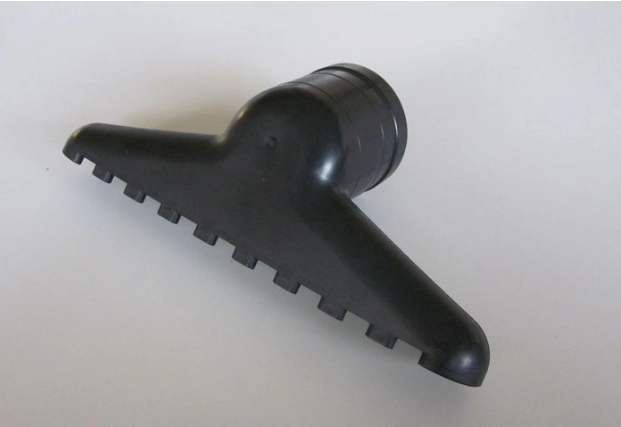
RAKE ATEX antistatic nozzle in MM019NN specially developed rubber compound for safe extraction in explosive atmospheres. The nozzle is manufactured in black antistatic rubber with certified volume resistivity of 1.1 Ω‧m and ensures correct potential equalization during ATEX extraction tasks. The wide teeth provide efficient collection of flammable materials such as cereals, starches, sugars, light metals, coal, and wood dust in critical environments.
Properties and material
- Material: MM019NN antistatic NBR compound with documented conductive properties.
- Volume resistivity: 1.1 Ω‧m (Certified by CERISIE laboratory according to ISO 1853:2011).
- Electrical resistance: 5-50 kΩ for optimal potential equalization.
- Hardness: 80-85 Shore A for optimal balance between flexibility and durability.
- Temperature range: -20°C to +120°C for stable performance in varying climates.
- Tooth profile: Wide teeth optimized for efficient collection of ATEX-relevant materials.
- ATEX-compatible: Designed for use in explosive atmospheres with potential equalization requirements.
- Color: Black antistatic for easy identification of ATEX properties.
Applications - ATEX
RAKE ATEX nozzles are specifically used for extraction of flammable materials such as cereals, starches, sugars, light metals, coal, and wood dust in environments with explosion risk. Suitable for flour mills, woodworking, food production, and other industries with dusty processes where ATEX directives apply and efficient collection of small to medium-sized particles from floors and surfaces is required.
Installation and potential equalization
The antistatic nozzle ensures correct electrical connection between extraction system and work area. Installation must follow ATEX guidelines for potential equalization and comply with EU Directive 94/9/EC. The conductive NBR construction ensures tight connection and continuous electrical connection even with frequent use. It is the customer's responsibility to verify suitability for specific ATEX environments.
Need advice on ATEX accessories?
Contact us for help selecting the right size and ATEX-compatible solutions for your explosive environments.
FAQ: RAKE – ATEX
What is the difference between RAKE ATEX and standard nozzles?
RAKE ATEX is manufactured in MM019NN antistatic NBR compound with certified volume resistivity of 1.1 Ω‧m, ensuring reliable potential equalization and preventing spark formation in explosive environments.
Is there certification for the electrical properties?
Yes, the volume resistivity is certified by CERISIE laboratory at 1.1 Ω‧m according to ISO 1853:2011 standard, ensuring reliable potential equalization.
Which materials may I use RAKE ATEX for?
It is developed for extraction of flammable materials such as cereals, starches, sugars, light metals, coal, and wood dust in ATEX-classified areas.
How does the nozzle ensure potential equalization?
The antistatic NBR compound with electrical resistance of 5-50 kΩ conducts electricity and maintains continuous connection between extraction system and work area.
Are there special installation requirements?
Yes, installation must follow ATEX guidelines for potential equalization and comply with EU Directive 94/9/EC. It is the customer's responsibility to verify suitability.
How do the teeth differ from other ATEX nozzles?
The wide teeth on RAKE provide particularly efficient collection of small to medium-sized flammable particles from floors and flat surfaces in explosive environments.
Related links
Technical specifications – RAKE ATEX
ATEX-certified RAKE nozzle in antistatic NBR compound for explosive environments. Volume resistivity: 1.1 Ω‧m. Electrical resistance: 5-50 kΩ. Ensures potential equalization and prevents spark formation in critical environments.
| Product code | Diameter (mm) | Material | ATEX property | Order number |
|---|---|---|---|---|
| PV270A | 70 | MM019NN antistatic NBR | Volume resistivity 1.1 Ω‧m | PV270A-0000 |
| PV200A | 50 | MM019NN antistatic NBR | Volume resistivity 1.1 Ω‧m | PV200A-0000 |
| PV244A | 44 | MM019NN antistatic NBR | Volume resistivity 1.1 Ω‧m | PV244A-0000 |
| PV240A | 40 | MM019NN antistatic NBR | Volume resistivity 1.1 Ω‧m | PV240A-0000 |
| PV238A | 38 | MM019NN antistatic NBR | Volume resistivity 1.1 Ω‧m | PV238A-0000 |