Abrasion-resistant · Abrasion-resistant
SILOCORD ALIM SP
SILOCORD ALIM SP combines a food-grade inner liner with an extra-thick wall (SP = Special wall) for higher abrasion resistance. For feed, flour handling and grain silos where both requirements are essential.
- Conductive <10^6 Ohm
- PN 8 bar
- Abrasion-resistant SBR
- -30 to +80 C
- Textile-reinforced
- ISO 4649 / EN ISO 1307
Why this hose?
SILOCORD ALIM SP is built on SBR rubber, which is the most abrasion-resistant rubber material for pneumatic transport of dry granulates. The abrasion value of 90-110 mm3 (ISO 4649) is state-of-the-art for abrasion-resistant hoses and means the hose lasts many thousand unloadings in cement, lime and feed-particle transport.
Conductivity below 10^6 Ohm in both the core and surface is essential for pneumatic transport of combustible dusts. Static electricity builds up quickly during transport of cement, flour and feed, and an insulating hose is an acute ignition risk on discharge. SILOCORD conducts the charge to ground as soon as the hose is properly earthed.
The food-grade variant complies with EU 1935/2004 and FDA requirements, making it the preferred solution for feed and flour handling.
Where it is used
The hose typically connects between a silo truck with blower and a building's silo or cistern. The pressure is held at typically 1.5-3 bar during transport, and the hose's PN 8 bar dimensioning provides ample safety margin. Bend radius and inner diameter are chosen according to the available access at the silo top.
In feed and pellet installations the hose is often placed permanently as a transition piece between a pneumatic transport line and a silo or filling station. Conductivity through the hose and couplings earths the entire transport route and prevents charge build-up at the discharge point.
On construction sites the hose is primarily used in the mobile unloading phase: typically a 5-10 metre pack per unloading, connected with worm-drive clamps or quick couplings. The hose's abrasion value of 90-110 mm3 (ISO 4649) means a typical hose lasts 1000+ unloadings in dry-cement transport before replacement.
SILOCORD is colloquially known as a cement hose, silo hose or bulk hose.
Technical specifications
Specifications are applicable per the manufacturer's factsheet (13.04.2026).
| Outer material | SBR rubber, food-grade |
|---|---|
| Inner liner material | NR/SBR rubber |
| Construction | Wrapped with textile reinforcement |
| Inner surface | Smooth |
| Reinforcement | Textile reinforcement embedded in the wall |
| Resistance | <106 Ohm (core and surface, EN ISO 8031) |
| Temperature | -30 to +80 C |
| Abrasion value | 90-110 mm3 (ISO 4649) |
| Wall type | Special wall (extra thick) |
| Food grade | EU 1935/2004 + FDA liner |
Dimensions and ordering
The dimension table shows the standard variants SILOCORD is produced in. Additional dimensions are often possible.
| Inner Ø |
Outer Ø |
Wall thickness |
Working pressure |
Burst pressure |
Vacuum |
Bend radius |
Max. length |
Weight |
Roll |
Article no. |
|---|---|---|---|---|---|---|---|---|---|---|
| 75 | 93 | 9 | 8 | 24 | 0.9 | 350 | 40 | 3.37 | 40 | 3565075000 |
| 100 | 120 | 10 | 8 | 24 | 0.9 | 500 | 20 | 5.15 | 20 | 3565100000 |
Fields without a value (em-dash) are not specified in the manufacturer's factsheet. Pressure values are recommended operating limits. Bend radius is measured along the inside of the hose bend.

Standards and compliance
The hose is manufactured in accordance with the following standards.
- ISO 4649 (formerly DIN 53516). Measurement of abrasion loss in rubber. SILOCORD has an abrasion value of 90-110 mm3 inside, placing it in the top segment for abrasion-resistant rubber hoses.
- EN ISO 1307:2008. European standard for rubber pressure hoses for general applications; SILOCORD meets the requirements for high-pressure hoses for pneumatic transport.
- EN 12115. Rubber and thermoplastic pressure hoses for chemical handling, often referenced in bulk shipping of granulates.
- ATEX 2014/34/EU (1999/92/EC). Directive for products used in potentially explosive atmospheres. Conductivity below 10^6 Ohm meets the requirements for zones 21 and 22 (dust).
- TRGS 727 (Germany). Technical rules for hazardous substances; conductive hoses below 10^6 Ohm are approved for combustible dusts in zones 21+22.
- EN ISO 8031. Measurement of electrical resistance in rubber hoses; SILOCORD's wall and surface resistance is tested to this standard.
- RoHS directive (2011/65/EU). Restriction of hazardous substances; manufacturer declaration available.
Documentation and downloads
Additional documents about this hose, its compliance and installation. Click to download as PDF in a new tab.
Help with material selection
If you're choosing a hose and are unsure about the right resistance level or zone classification, these two articles are a good place to start:
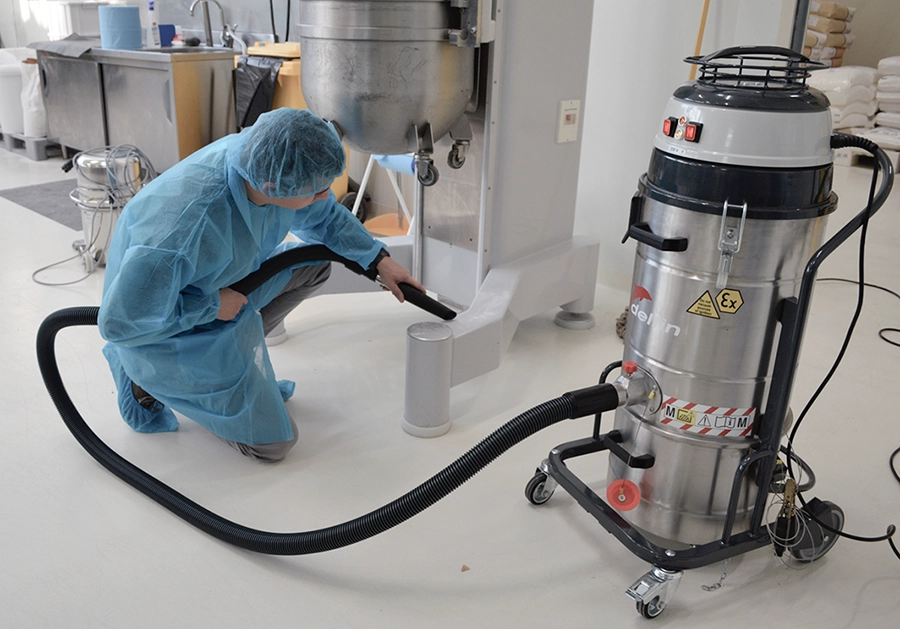
The invisible weakest link
Why a conductive or antistatic hose isn't sufficient on its own — and what grounding means for the complete system.
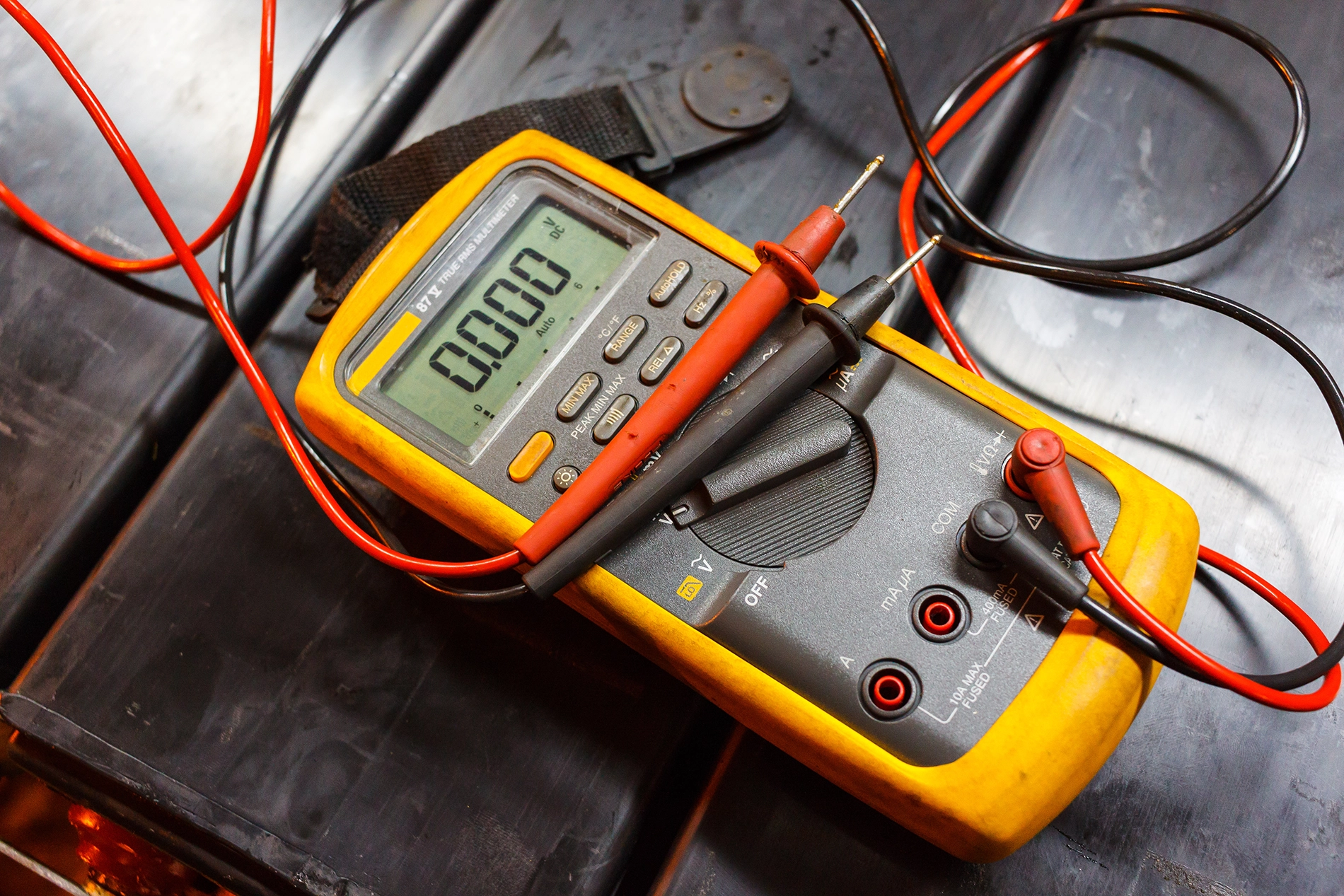
Know your ohm
The difference between antistatic and conductive, which resistance limits apply where, and how to measure them correctly.
Industries that use it
The SILOCORD series is the European reference product for abrasion-resistant silo and cement hoses. Conductive SBR rubber with textile reinforcement, designed for pneumatic transport of dust-laden materials.
In the cement and construction segment, SILOCORD is used as the primary conveyance hose when delivering dry cement, lime, fillers and similar materials. The hose connects between the silo truck's discharge and the building's silo, and is subjected to constant abrasion from the angular particles. SBR rubber has proven its superiority over PVC and PUR in this application over decades of use.
In the feed and pellet industry, conductivity is critical: wood dust and feed particles build up static electricity quickly during pneumatic transport. SILOCORD's wall resistance below 10^6 Ohm means accumulated charge is conducted to ground, reducing explosion risk on discharge in dusty silo environments.
In the agricultural and bulk-shipping segment, the hose is used for unloading grain, feed, fertiliser and similar materials. The standard PN 8 bar is more than sufficient for typical pneumatic transport pressures. Continuous operation from -30 to +80 C covers both winter and summer installations across Europe.
Custom lengths and assemblies
The hose can be delivered cut to desired lengths. The standard roll lengths can be supplemented with shorter pieces or continuous rolls by arrangement.
At Particulair we are happy to advise on sizing, couplings and earthing for ATEX installations. Send us your application sketch and we will assess the right variant.


Frequently asked questions
Which ATEX zones is SILOCORD approved for?
SILOCORD is classified to ATEX 2014/34/EU and TRGS 727 for zones 20, 21 and 22 (combustible dust inside) and can be used in zones 1+2 outside for gases. Conductivity below 10^6 Ohm meets the requirements for conductive hoses.
Does SILOCORD need to be earthed to function conductively?
Yes. Conductivity requires the hose to be earthed via the coupling. A conductive hose without proper earthing does not conduct charge and is NOT conductive in practice. Use ATEX-approved worm-drive clamps or flange connections with direct contact to the hose wall.
How long does SILOCORD last in cement transport?
Service life depends on particle aggressiveness, transport volume and unloading frequency. In daily dry-cement transport, 1000-3000 unloadings before replacement is typical -- 5-10 years for standard installation. The SP variant with extra-thick wall extends service life by 30-50%.
What do SP and Spezial mean in the product name?
SP = Special wall, i.e. extra-thick wall for higher abrasion resistance. Spezial = reinforced variant with additional textile reinforcement and increased burst pressure. SP and Spezial can be combined (Spezial SP = reinforced + extra-thick wall).
Can the hose be delivered in other lengths?
Yes. The standard roll lengths can be supplemented with shorter pieces or continuous rolls by arrangement. Contact us with your application and we will find the right variant.
Which couplings are recommended?
For ATEX installation we recommend worm-drive clamps or flange connections with ground termination. We are happy to advise on compatible accessories and supply complete assemblies with proper earthing.
What is SBR rubber?
SBR (styrene-butadiene rubber) is a synthetic rubber type with exceptional abrasion resistance and medium chemical resistance. It is the European standard material for abrasive applications such as cement, sand and granulate transport.
Is SILOCORD suitable for wet cement?
No -- SILOCORD is intended for dry granulates and powders. For wet cement or suspensions, a different hose type must be selected (typically a special concrete hose). Contact us if you are unsure about compatibility.