Flame-retardant
AIRDUC® PUR 352 SE RAILWAY (MD)
Self-extinguishing suction and pressure hose certified per EN 45545-2 (the specific railway industry standard for fire resistance). Abrasion-resistant PUR construction in medium-duty (MD) format. Designed specifically for ventilation, heating and sanitary installations in railway carriages and vessels. Fire classification R23 HL1 — the top class in EN 45545 for high-risk railway applications. Also certified per NFPA 130 (US railway standard).
- EN 45545-2 R23 HL1 (rail)
- NFPA 130 (US rail)
- Abrasion-resistant MD construction
- Gas, dust, liquid, solid
- −40 °C to +90 °C
- Cut to length
Why this hose?
AIRDUC® PUR 352 SE RAILWAY (MD) is a specialised railway hose. EN 45545-2 is the specific EU standard for fire resistance on rolling stock — modern trains require materials that do not contribute to fire spread, as evacuation can be difficult in tunnels and high-speed operation.
The R23 HL1 classification is the top class for high-risk applications (category HL1 covers passenger ships and passenger trains). Together with NFPA 130 (US railway standard), the hose covers both EU and US rolling-stock approval.
Where it is used
In practice 352 SE RAILWAY (MD) is seen in train and tram ventilation, heating systems and roof drainage on rolling stock.
The formal product name is AIRDUC® PUR 352 SE RAILWAY (MD). In daily use: "the railway SE hose" or "352 RAILWAY".
Technical specifications
Specifications are current as of 15 April 2026 and refer to 20 °C unless otherwise stated.
| Material | Polyurethane (PUR), self-extinguishing |
|---|---|
| Colour | Black |
| Wall construction | Medium duty (MD), spiral-reinforced |
| Temperature range | −40 °C to +90 °C |
| Fire classification | EN 45545-2 R23 HL1 (tested ISO 5658-2 + ISO 5659-2 662); NFPA 130 (tested ASTM E 162 + ASTM E 662 + BSS 7239 + BSS 7242) |
| Cut to length | Yes |
| Manufacturer SKU (model group) | 3525401 |
Dimensions and ordering
The table shows the main variants from the manufacturer's factsheet. Fields without a value (—) are not specified. Diameters, pressure values and bend radii are normative; weights and roll lengths are typical production values.
| Inner Ø |
Outer Ø |
Wall thickness |
Working pressure |
Vacuum |
Bend radius |
Max. length |
Weight |
Article no. |
|---|---|---|---|---|---|---|---|---|
| 20 | 28 | 0.9 | 2.53 | 0.485 | 21 | 25 | 0.22 | 35200205401 |
| 22 | 30 | 0.9 | 2.315 | 0.44 | 22 | 25 | 0.24 | 35200225401 |
| 25 | 32 | 0.9 | 2.055 | 0.385 | 23 | 25 | 0.26 | 35200255401 |
| 30 | 38 | 0.9 | 1.735 | 0.285 | 27 | 25 | 0.31 | 35200305401 |
| 32 | 40 | 0.9 | 1.63 | 0.265 | 28 | 25 | 0.32 | 35200325401 |
| 38 | 46 | 0.9 | 1.385 | 0.225 | 33 | 25 | 0.38 | 35200385401 |
| 40 | 48 | 0.9 | 1.32 | 0.215 | 34 | 30 | 0.4 | 35200405401 |
| 42 | 50 | 0.9 | 1.25 | 0.2 | 36 | 30 | 0.41 | 35200425401 |
| 45 | 53 | 0.9 | 1.175 | 0.19 | 50 | 30 | 0.44 | 35200455401 |
| 50 | 58 | 0.9 | 1.065 | 0.17 | 64 | 30 | 0.49 | 35200505401 |
| 55 | 63 | 0.9 | 0.97 | 0.155 | 68 | 30 | 0.53 | 35200555401 |
| 60 | 68 | 0.9 | 0.8 | 0.14 | 75 | 30 | 0.58 | 35200605401 |
| 63 | 71 | 0.9 | 0.69 | 0.085 | 79 | 30 | 0.6 | 35200635401 |
| 70 | 79 | 0.9 | 0.69 | 0.085 | 87 | 30 | 0.66 | 35200705401 |
| 80 | 89 | 0.9 | 0.605 | 0.075 | 98 | 30 | 0.75 | 35200805401 |
| 100 | 109 | 0.9 | 0.485 | 0.065 | — | 25 | 1.07 | 35201005401 |
| 125 | 134 | 0.9 | 0.39 | 0.05 | 147 | 25 | 1.32 | 35201255401 |
Overpressure and underpressure values are recommended operating limits; the product can be subjected to higher loads on request. Bend radius is measured along the inside of the hose bend.

Standards and compliance
The hose is certified or documented to the following standards:
- EN 45545-2 R23 HL1. EU rail standard for fire resistance on rolling stock.
- NFPA 130. US standard for fixed guideway transit and passenger rail systems.
- REACH (EC 1907/2006) and RoHS 2011/65/EU. The manufacturer holds declarations of compliance.
Documentation and downloads
Additional documents about this hose, its compliance and installation. Click to download as PDF in a new tab.
Help with material selection
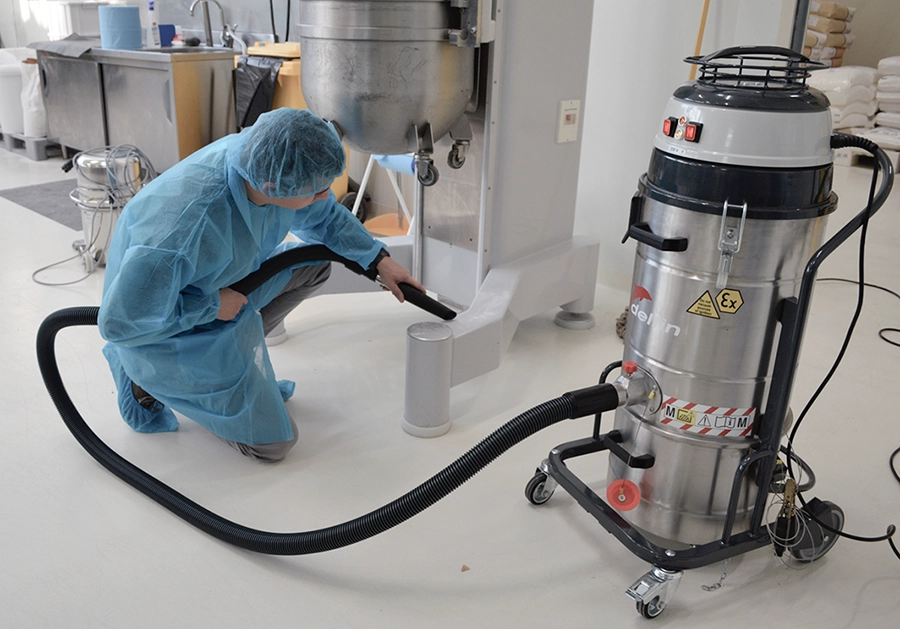
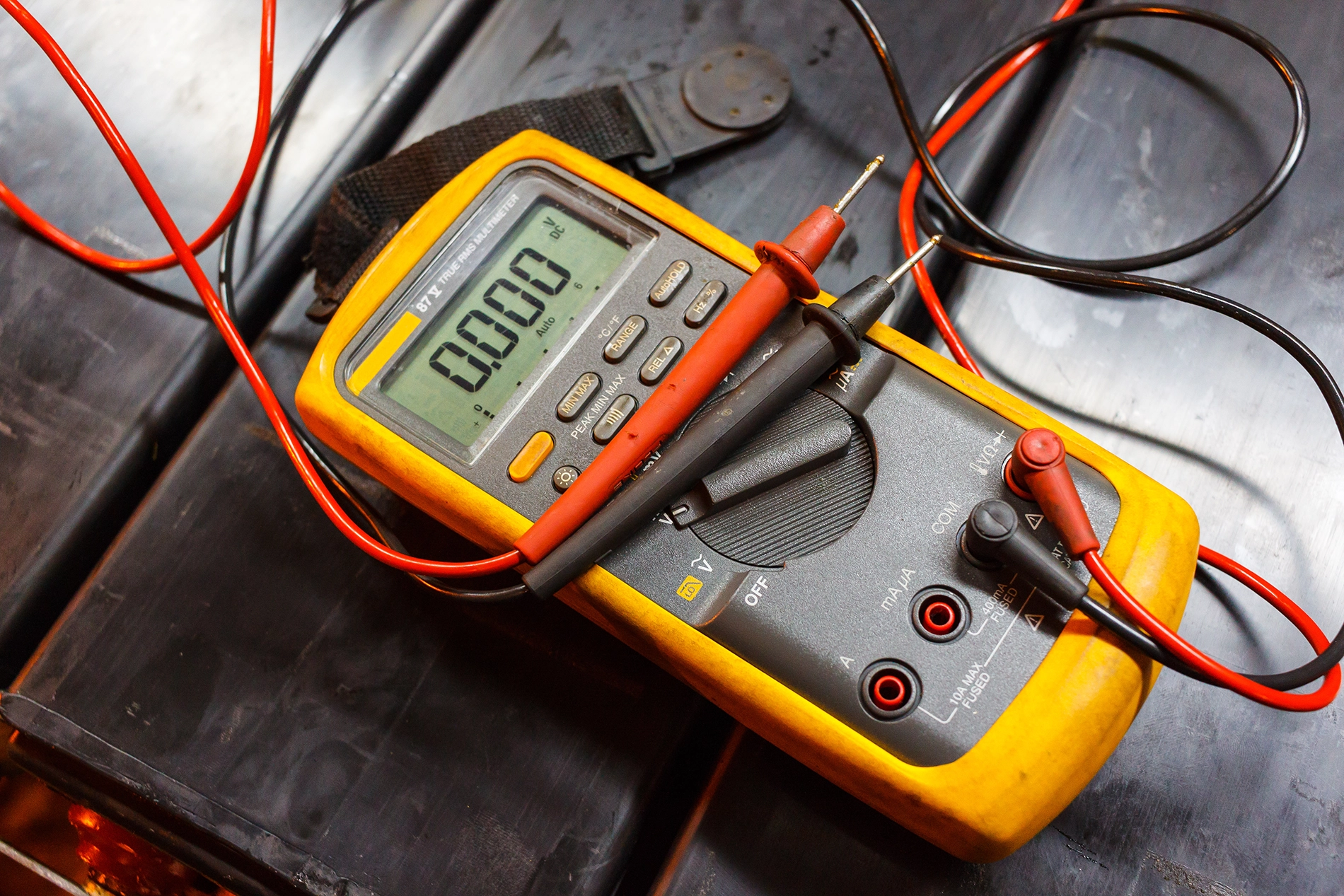
If you are choosing a hose and are uncertain about the right resistance level or zone classification, these two articles are a good place to start:
Industries that use it
The hose is used in rail and specialty vehicle industries:
Rail, ship and specialty vehicle industries use the hose in installations where high-risk fire resistance is mandatory.
Custom lengths and assemblies
The hose can be cut to length and assembled with couplings, cuffs and threaded fittings through Particulair's custom hose assemblies.
We offer guidance on material choice, coupling system and grounding, so the hose fits correctly into the overall system. If there is any doubt about zone classification or resistance requirements, a short conversation before ordering is well worth the time.


Frequently asked questions
Why is EN 45545-2 important?
Modern trains run in tunnels and at high speeds where evacuation in case of fire is difficult. EN 45545-2 ensures that materials in the train do not significantly contribute to fire spread or toxic smoke. The R23 HL1 classification is the strictest — required for passenger lines.
What is the difference between 352 SE RAILWAY and 332 SE (LD)?
Both are self-extinguishing. 332 SE (LD) is light-duty and certified per DIN 4102-B1 + FMVSS 302 (general construction and automotive). 352 SE RAILWAY (MD) is medium-duty and certified per the specific railway standard EN 45545-2 R23 HL1 + NFPA 130. For rail projects, 352 RAILWAY is the correct choice; for general construction or vehicles, 332 SE is sufficient.
Can the hose be supplied cut to length with couplings?
Yes. AIRDUC® PUR 352 SE RAILWAY (MD) can be cut to length and assembled with couplings, cuffs and threaded fittings through Particulair's custom hose assemblies. We provide guidance on coupling system and sealing so the hose fits correctly into the overall installation.
How do I order the hose, and where do you deliver?
The hose is ordered through Particulair (Karlslunde, Denmark). We deliver to Denmark, the EU and selected third countries such as Norway and Switzerland. Standard dimensions can typically be delivered in 1-2 weeks; custom assemblies and larger volumes require slightly longer lead time.
What is the hose's expected service life?
Service life depends on operating conditions: loading, temperature, chemical exposure, UV and mechanical movement. In standard industrial use, expected life is 3-7 years. Aggressive conditions (high temperatures, continuous flexing, chemical vapours) reduce service life. We recommend regular visual inspection for cracks, deformation or discolouration.
How is the hose best stored before use?
Store the hose dry, at room temperature (15-25 °C) and out of direct sunlight. Avoid contact with ozone-generating equipment (welding equipment, engines). If stored on a reel, the bend must be larger than the specified minimum radius to avoid permanent deformation. Proper storage significantly extends shelf life.
What is the minimum bend radius, and what happens if I go below it?
Minimum bend radius is the smallest radius the hose can be bent to without permanent deformation or internal damage. The table above shows specific values for each dimension. Bending the hose below this limit can collapse the wall, kink the spiral or damage the inner coating. The result is reduced flow, increased pressure loss and shorter service life. Always use bend radius as a design constraint in installation.
Does the hose need to be grounded to function as an ESD component?
Yes, proper grounding is a prerequisite. The antistatic or conductive wall only dissipates static electricity if the hose is connected to ground at both ends — typically via grounded couplings on machine and tank. Without grounding, the electrical property has no practical effect and the ATEX approval is not valid in practice. We always recommend measuring loop resistance after installation.