Flame-retardant
ISODUC PVC 368 Anti-Bacterial
ISODUC PVC 368 Anti-Bacterial is the cost-effective PVC variant with antibacterial surface treatment to ISO 22196. Used in standard ventilation applications where bacterial growth on the duct surface must be avoided.
- EN 13501-1 C-s1 d0
- Up to 140 C
- Highly flexible
- Compressible 10:1
- RoHS
- Thermal and acoustic
Why this hose?
ISODUC PVC 368 Anti-Bacterial combines fire classification to EN 13501-1 class C-s1 d0 with high flexibility and low weight - three properties rarely found in the same product. C-s1 d0 means limited contribution to fire, low smoke production and no flaming droplets, which is decisive for ventilation in public buildings and industrial installations.
The spring-steel reinforcement is embedded in pvc laminate with antibacterial treatment, giving the hose a tight, smooth interior surface and at the same time outer robustness against impact and abrasion during installation. The construction allows a compression ratio of 6:1 - the hose takes up little space when not in use and can be stretched to finished lengths on site.
The Anti-Bacterial variant adds ISO 22196-documented antibacterial treatment and is the preferred solution in hospitals and laboratories.
Where it is used
The hose typically sits between a fan, cooling unit or process filter and either an extraction duct or a discharge point. In HVAC systems it acts as the flexible link that absorbs fan vibration and at the same time allows the individual component's natural movement without breaking the seal of the system.
In data centres and laboratories it is often seen in cold and hot aisles around servers and test cabinets, where rigid duct routing would be uneconomic to reconfigure. The fire-retardant class C-s1 d0 means low smoke production and no flame spread, which meets many countries' building requirements for institutional buildings.
On construction sites it is used for temporary dehumidification, heat recovery or cooling during fit-out — but also as a permanent solution where the finished installation must be possible to dismantle and relocate without special tools. The high compressibility (10:1 for ALU-PES, 6:1 for PVC) makes it easy to store on a roll.
ISODUC is colloquially known as a climate hose, ventilation hose or HVAC hose.
Technical specifications
Specifications are applicable per the manufacturer's factsheet. Fields without a value (em-dash) are not stated in the factsheet.
| Material | PVC laminate with antibacterial treatment |
|---|---|
| Colour | light (antibacterial treatment) |
| Wall construction | PVC laminate with spring-steel reinforcement; surface treatment to ISO 22196 |
| Spiral material | Spring-steel wire embedded in the wall |
| Temperature | -10 to +80 C |
| Maximum pressure | 200 mmH2O |
| Compression | 6:1 |
| Max. air velocity | 30 m/s |
| Fire class | EN 13501-1 class C-s1, d0 |
| Medium | Gas (air) |
Dimensions and ordering
The dimension table shows the standard variants ISODUC is produced in. Additional dimensions are often possible - contact us for special requirements.
| Inner Ø |
Bend radius |
Max. length |
Weight |
Article no. |
|---|---|---|---|---|
| 76 | 61 | 10 | 0.25 | 36800763501 |
| 82 | 66 | 10 | 0.28 | 36800823501 |
| 102 | 82 | 10 | 0.31 | 36801023501 |
| 127 | 102 | 10 | 0.37 | 36801273501 |
| 152 | 122 | 10 | 0.45 | 36801523501 |
| 160 | 128 | 10 | 0.47 | 36801603501 |
| 180 | 144 | 10 | 0.52 | 36801803501 |
| 203 | 162 | 10 | 0.62 | 36802033501 |
| 254 | 203 | 10 | 0.78 | 36802543501 |
| 305 | 244 | 10 | 0.92 | 36803053501 |
| 315 | 252 | 10 | 0.88 | 36803153501 |
| 365 | 285 | 10 | 1 | 36803563501 |
| 406 | 325 | 10 | 1.12 | 36804063501 |
| 457 | 366 | 10 | 1.33 | 36804573501 |
| 508 | 406 | 10 | 1.48 | 36805083501 |
| 610 | 488 | 10 | 1.77 | 36806103501 |
ISODUC hoses are ventilation/low-pressure products; pressure values are reported as maximum H2O pressure in mmH2O, not as working pressure in bar. Compressibility and maximum air velocity are specified by the manufacturer at 20 C. Bend radius is measured along the inside of the hose bend.

Standards and compliance
The hose is manufactured in accordance with the following standards and directives. Specifications are applicable per the manufacturer's factsheet dated 13.04.2026.
- EN 13501-1:2018, class C-s1, d0. Fire classification for building materials. C-s1 d0 means limited contribution to fire, low smoke production and no flaming droplets.
- RoHS directive (2011/65/EU). Restriction of hazardous substances in electrical and electronic equipment; manufacturer declaration available.
- REACH (EC 1907/2006). Registration, evaluation and authorisation of chemical substances; manufacturer compliance declaration available.
- EU directive 2014/35/EU (low voltage). Indirectly applicable when integrated in installations with voltage-bearing components.
- DIN 4102-1. German fire classification, frequently required for public buildings as a reference framework.
- ISO 9001 (quality management). The manufacturer's quality management system is certified to ISO 9001.
- EN ISO 6944. Fire test of ventilation ducts — ISODUC can be included in approved ventilation systems where this standard is required.
- ISO 22196. Measurement of antibacterial activity on plastics and other non-porous surfaces; the variant has documented reduction of surface bacterial counts.
Documentation and downloads
Additional documents about this hose, its compliance and installation. Click to download as PDF in a new tab.
Help with material selection
Although this hose isn't ATEX-relevant, these two articles provide useful background on electrical resistance and industrial safety — important if you later combine the hose with electrical equipment or work in mixed environments:
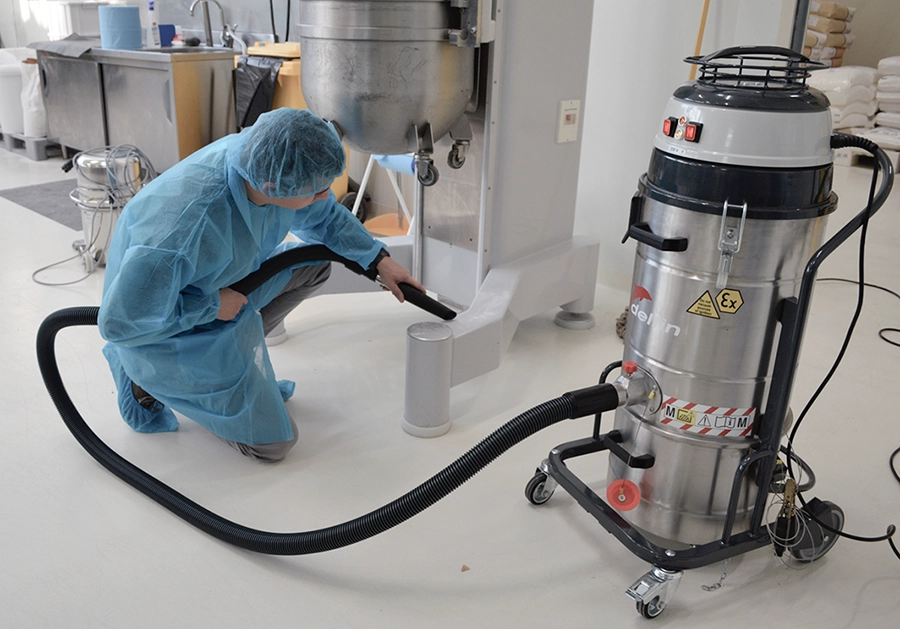
The invisible weakest link
Why a conductive or antistatic hose isn't sufficient on its own — and what grounding means for the complete system.
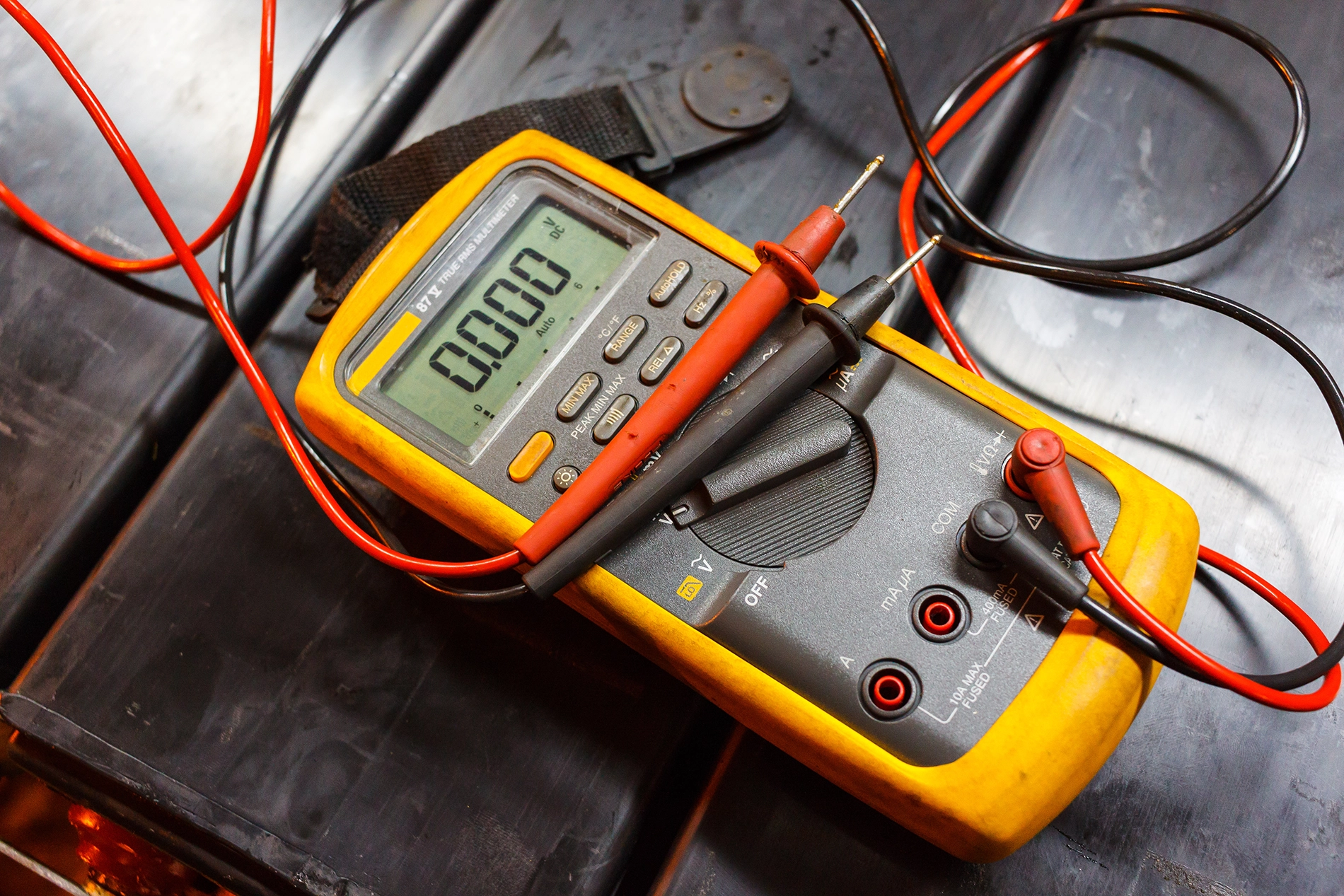
Know your ohm
The difference between antistatic and conductive, which resistance limits apply where, and how to measure them correctly.
Industries that use it
The ISODUC series is designed for climate, ventilation and insulation applications where fire classification, flexibility and easy installation must go hand in hand. The hoses are used in commercial, industrial and institutional installations across sectors.
In HVAC and construction segments, the low weight and high flexibility of the hose allow rapid installation around components, duct bends and tight plant rooms. Fire classification to EN 13501-1 means the hose can be used wherever European building regulations require flame-retardant ventilation elements.
In data centres, hospitals and laboratories the hose often operates under high demands for air quality, acoustics and thermal control. The anti-bacterial variant provides additional protection against bacterial growth on surfaces exposed to condensation, while the sound-insulation variant cuts noise significantly at fans and cooling units.
In marine and industrial installations the hose draws its strength from the spring-steel reinforcement and the highly compressible structure (up to 10:1) — it occupies little space when not in use and adapts to runs that would otherwise require four separate fittings and a box of elbows.
Custom lengths and assemblies
The hose can be delivered cut to desired lengths. The standard length in the table can be supplemented with shorter pieces or continuous rolls by arrangement.
At Particulair we are happy to advise on installation, connections and fire-classified integration. Send us your application sketch and we will assess the right variant and length.


Frequently asked questions
Which standards does ISODUC comply with?
The hose is classified to EN 13501-1:2018 class C-s1 d0 (fire classification for construction products) and is free from substances covered by the RoHS directive. The PVC and ALU-PES variants are flame-retardant. Further standards are listed in the table above.
Can I use ISODUC in public buildings?
Yes - the classification C-s1 d0 means low smoke production and no flame spread, which complies with building regulations in most European countries. Always check local authority requirements for the specific installation, as these may supplement EN 13501-1 with additional certifications.
What is the difference between the ALU-PES and PVC variant?
ALU-PES (aluminium-polyester laminate) is suitable for high temperature up to 140 C and has compression 10:1 - better for heat recovery, cooling with hot media and marine. PVC is flexible from -10 to +80 C, compression 6:1 and better for standard ventilation, data centres and commercial buildings. Both are fire-classified.
Can the hose be delivered in lengths other than those listed?
Yes. The standard roll length in the table can be supplemented with shorter pieces or continuous rolls by arrangement. Contact us with your application sketch and we will find the right variant and length for the task.
Which connectors are recommended for ISODUC?
The hose is typically joined with worm-drive clamps, hose bands or dedicated HVAC flange connections depending on pressure and diameter. We are happy to advise on compatible coupling solutions and can supply complete assemblies.
How long does ISODUC last?
Service life depends on load, temperature and UV exposure. In normal indoor HVAC use at room temperature up to 50 C, a 10-15 year service life is common. With continuous operation near the upper temperature limit, service life is reduced and the hose should be inspected annually.
How effective is the antibacterial treatment?
The treatment is documented to ISO 22196 - a standardised test measuring reduction of bacterial counts on the surface after 24 hours. The effect lasts the hose's service life and does not wash off. The standard typically tests against E. coli and Staphylococcus aureus.
How do I store the hose?
Store in a dry, dark place at room temperature. It can be compressed up to the specified ratio without damage. Avoid direct UV light and contact with solvents during storage. The hose is typically delivered on a roll.