Flame-retardant
PROTAPE® PVC 371 GREY (XLD)
Highly flexible PVC ventilation hose with spring steel wire embedded in the wall and fabric reinforcement. Grey XLD variant for air conditioning systems. Approved FMVSS 302 (US automotive standard) and EN 13501-1 B-s2, d0. Compressible 10:1 — the highest compression in the range. Service from −10 °C to +80 °C, short-term peak up to +80 °C. Designed for ventilation and extraction applications where flame retardance is required.
- Flame-retardant EN 13501-1 B-s2, d0
- −10 to +80 °C
- Peak +80 °C
- Highly flexible
- Fabric-reinforced
- Cut to length
Why this hose?
PROTAPE® PVC 371 GREY (XLD) belongs to the PROTAPE® PVC 371 range — a broadly used family of flame-retardant ventilation hoses with spring steel wire in the wall. The grey XLD variant with 10:1 compression and FMVSS 302 approval is what distinguishes this variant from the others in the range.
The spring steel wire embedded in the wall gives shape stability and bend resistance, combined with the PVC wall's flexibility and the fabric reinforcement's abrasion resistance. The result is a versatile ventilation hose that can both be bent and hold shape — important in installations where the hose must follow moving structures or complex pipe routings.
Where it is used
The hose typically sits in industrial ventilation and extraction systems, from smaller machine connections to central extraction systems. Flexibility and flame retardance are both essential parameters in most installations.
In HVAC installations it serves as connection between fixed pipework and equipment — where temperature can swing seasonally and fire authority requirements for materials must be respected.
In everyday talk we call it a "flame-retardant ventilation hose" — the go-to when air needs moving without the hose cover itself becoming the fire source.
Technical specifications
Technical specifications for PROTAPE® PVC 371 GREY (XLD).
| Material | PVC wall, fabric-reinforced, spring steel wire |
|---|---|
| Colour | Grey |
| Temperature | −10 to +80 °C |
| Temperature (peak) | +80 °C |
| Flame retardance | EN 13501-1 B-s2, d0 |
| Conformity | EN 13501-1 B-s2, d0, RoHS |
| Cut to length | Yes |
| Manufacturer SKU group | 3713500 |
Dimensions and ordering
Standard dimensions for PROTAPE® PVC 371 GREY (XLD).
| Inner Ø |
Outer Ø |
Wall thickness |
Bend radius |
Max. length |
Weight |
Article no. |
|---|---|---|---|---|---|---|
| 76 | 77.6 | 0.2 | 46 | 10 | 0.16 | 37100763500 |
| 82 | 84.96 | 0.2 | 49 | 10 | 0.18 | 37100823500 |
| 102 | 105 | 0.2 | 61 | 10 | 0.19 | 37101023500 |
| 127 | 130 | 0.2 | 76 | 10 | 0.23 | 37101273500 |
| 152 | 155 | 0.2 | 91 | 10 | 0.29 | 37101523500 |
| 160 | 163.4 | 0.2 | 96 | 10 | 0.3 | 37101603500 |
| 180 | 183.4 | 0.2 | 108 | 10 | 0.34 | 37101803500 |
| 203 | 206.4 | 0.2 | 122 | 10 | 0.36 | 37102033500 |
| 254 | 257.4 | 0.2 | 152 | 10 | 0.52 | 37102543500 |
| 305 | 308 | 0.2 | 183 | 10 | 0.62 | 37103053500 |
| 315 | 318.4 | 0.2 | 189 | 10 | 0.57 | 37103153500 |
| 356 | 359 | 0.2 | 214 | 10 | 0.64 | 37103563500 |
| 406 | 409.4 | 0.2 | 244 | 10 | 0.73 | 37104063500 |
| 457 | 461.16 | 0.2 | 274 | 10 | 0.78 | 37104573500 |
| 508 | 512.2 | 0.2 | 305 | 10 | 0.87 | 37105083500 |
| 610 | 614.2 | 0.2 | 366 | 10 | 1.04 | 37106103500 |
Fields without a value (—) are not specified in the manufacturer's factsheet. Overpressure and underpressure values are recommended operating limits; the product can be subjected to higher loads on request. Bend radius is measured along the inside of the hose bend.

Standards and compliance
PROTAPE® PVC 371 GREY (XLD) conforms to:
- EN 13501-1 B-s2, d0. Flame retardance standard.
- RoHS. Directive 2011/65/EU.
- REACH (EC 1907/2006). The manufacturer's REACH declaration is available for download.
Documentation and downloads
Additional documents about this hose, its compliance and installation. Click to download as PDF in a new tab.
Help with material selection
Although this hose isn't ATEX-relevant, these two articles provide useful background on electrical resistance and industrial safety — important if you later combine the hose with electrical equipment or work in mixed environments:
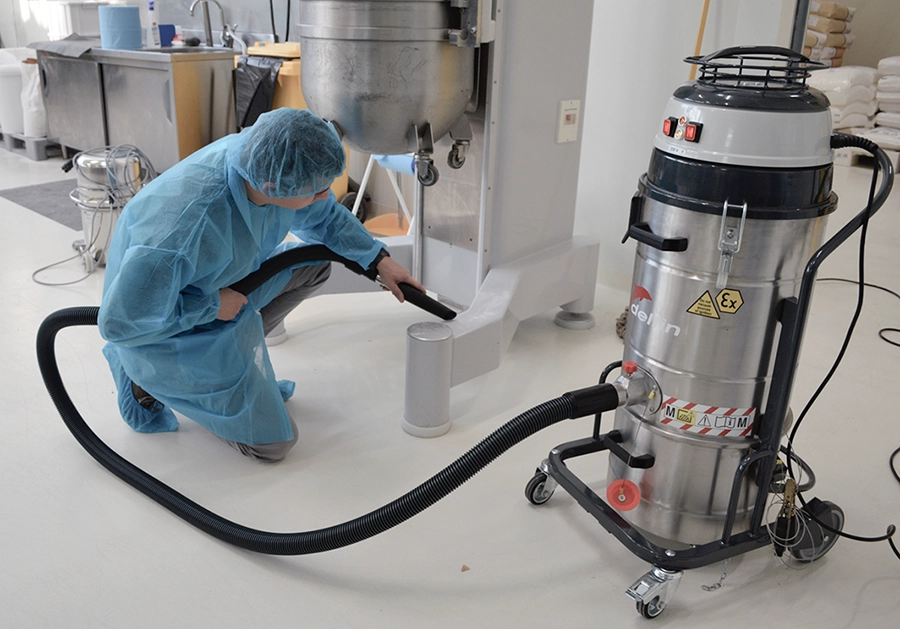
The invisible weakest link
Why a conductive or antistatic hose isn't sufficient on its own — and what grounding means for the complete system.
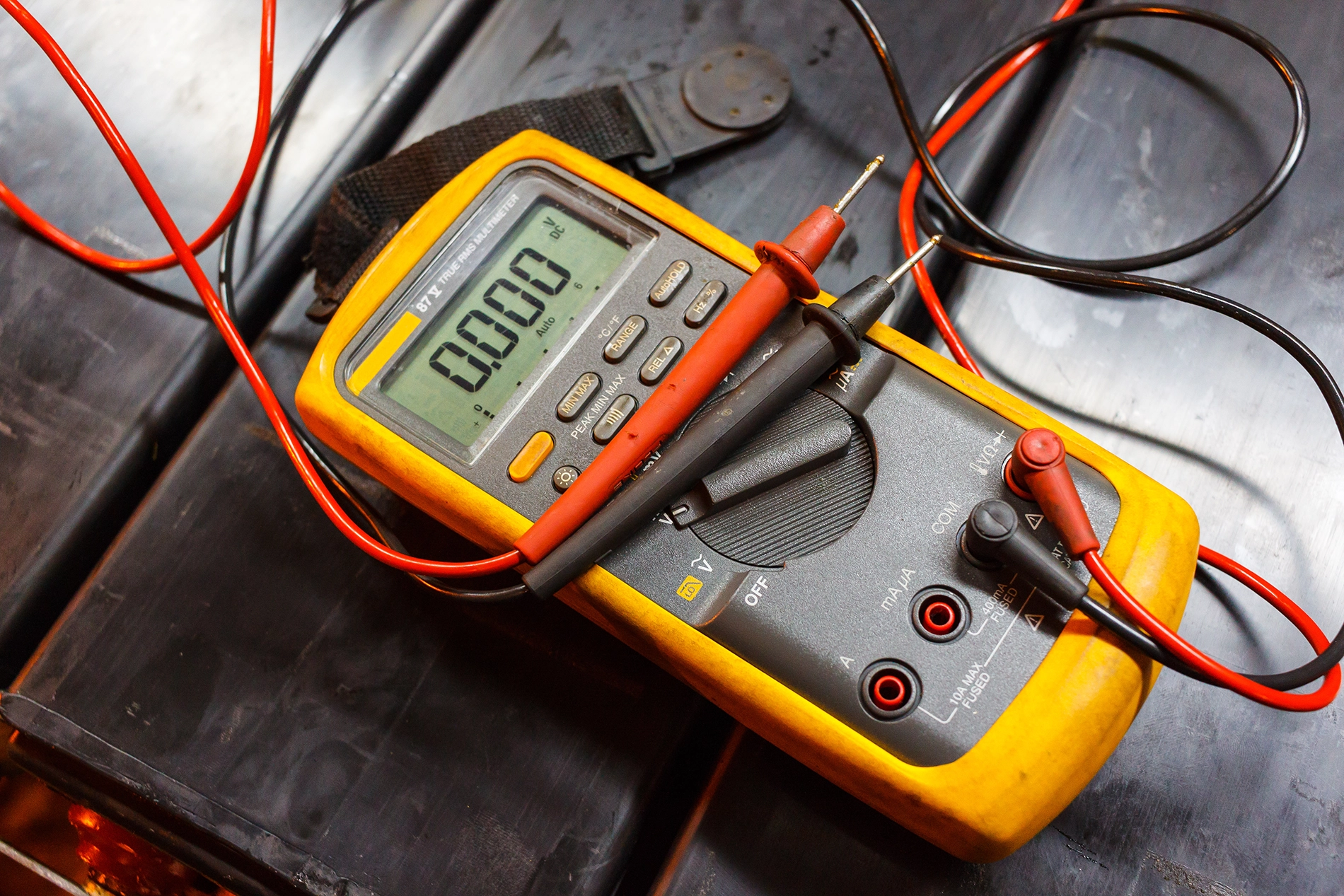
Know your ohm
The difference between antistatic and conductive, which resistance limits apply where, and how to measure them correctly.
Industries that use it
The PROTAPE® PVC 371 family is used across industries where air needs moving without the hose cover itself becoming the fire source:
In ordinary ventilation and extraction installations the hose combines flexibility with shape stability — important parameters when the hose must be routed around obstacles.
In HVAC and air conditioning systems it's used in smaller dimensions as flexible connectors. In industrial ventilation it's used in larger dimensions as the main system trunk.
Custom lengths and assemblies
The hose is delivered on 10 m and 20 m rolls. We cut to length and fit fittings, sleeves or couplings as a finished assembly.
For serial deliveries we can establish consistent assembly across the delivery.


Frequently asked questions
What does FMVSS 302 mean?
Federal Motor Vehicle Safety Standard 302 — US automotive standard for materials in cabin interior. The material passes when it stops burning under controlled conditions, a strict test for vehicle materials.
What does 10:1 compression mean?
The hose can be compressed to one-tenth of its extended length — the highest compression rate in the PROTAPE® PVC 371 range. It makes the hose extremely easy to handle and store on rolls.
What's the difference between grey XLD and blue anti-bacterial XLD?
Both are XLD (Extra Light Duty) for AC systems. The blue has antibacterial additive and higher fire class (B-s1, d0 vs B-s2, d0). The grey has FMVSS 302 approval and 10:1 compression. Choose blue if hygiene is the priority; choose grey if automotive approval or maximum compression is.
Where is it typically used?
In air conditioning systems in vehicles, vessels and buildings where a light, compressible hose is desired. The FMVSS 302 approval makes it particularly suited for automotive interior installations.
Does it tolerate moisture and condensate?
Yes, PVC has good resistance to moisture and condensate at operating temperatures. For continuous service with large amounts of condensate, drainage capability should be designed into the installation.
Is it ATEX-approved?
No. The PVC wall is insulating without conductive or antistatic properties.