High-temperature · up to +600 °C
METAL HOSE INOX 376
Stainless steel suction hose, heat-resistant up to +600 °C and highly abrasion-resistant. Electrically conductive construction makes the hose ATEX-approved for pneumatic transport of flammable dust and bulk materials in Zone 20, 21 and 22 inside — covering both high-temperature and explosive dust environments simultaneously. Designed for transport of wood chips, sawdust, oil mist, paper and glass-ceramic materials in demanding industrial applications.
- Up to +600 °C
- ATEX Zone 20·21·22
- Conductive (metal)
- Stainless steel
- Abrasion-resistant
- Cut to length
Why this hose?
METAL HOSE INOX 376 is an all-metallic hose — fully stainless steel with no plastic components. This gives three decisive properties: extreme heat resistance (+600 °C), extreme abrasion resistance (steel against abrasive media), and electrical conductivity that makes it ATEX-approved internally in Zone 20, 21 and 22.
That ATEX approval is special — the hose can transport flammable dust (wood dust, flour dust, organic particles) in explosive zones without risk of electrostatic ignition. The steel's conductivity dissipates accumulated static electricity to ground, provided the hose is correctly grounded.
The primary use case is the wood industry — chip and sawdust extraction from milling machines, sawmills and packaging lines. Wood dust is often classified as St 1 or St 2 on the dust explosion scale, making ATEX-approved extraction an authority requirement. METAL HOSE INOX 376 covers this with margin.
Where it is used
In the wood industry the hose is a standard choice on milling machines, saws and packaging lines where there's both high temperature (from friction) and flammable dust. Here the ATEX approval isn't optional — it's a requirement.
In the paper industry the hose often sits on central extraction systems for process dust. Here it's especially the heat resistance that makes the hose usable — paper dust can accumulate heat over time, compromising ordinary PVC or PUR hoses.
In glass, ceramics and refractory industries the hose transports dry process dust at high temperatures. The steel construction handles both the temperature and the wear from hard, abrasive particles.
In everyday talk we call it an "INOX hose" or "steel hose" — the characteristic spiralled stainless steel construction is the first thing you recognise.
Technical specifications
Technical specifications for METAL HOSE INOX 376.
| Material | Stainless steel (INOX) — fully metallic |
|---|---|
| Inner diameter | 20–110 mm |
| Temperature | 0 to +600 °C |
| Resistance class | Conductive (metal — <106 Ω) |
| ATEX | Zone 20, 21, 22 inside (TRGS 727) |
| Abrasion resistance | Very high (steel construction) |
| Conformity | ATEX 2014/34/EU, TRGS 727, REACH, RoHS |
| Cut to length | Yes |
| Manufacturer SKU group | 3760000 |
Dimensions and ordering
Standard dimensions for METAL HOSE INOX 376 from Ø 20 mm to Ø 110 mm. The steel construction means pressure values aren't specified by the manufacturer — the hose is primarily a suction hose (vacuum hose).
| Inner Ø |
Bend radius |
Max. length |
Weight |
Article no. |
|---|---|---|---|---|
| 20 | 90 | 10 | 0.35 | 37600200000 |
| 25 | 98 | 10 | 0.43 | 37600250000 |
| 30 | 115 | 10 | 0.51 | 37600300000 |
| 32 | 124 | 10 | 0.55 | 37600320000 |
| 38 | 136 | 10 | 0.65 | 37600380000 |
| 40 | 135 | 10 | 0.68 | 37600400000 |
| 45 | 143 | 10 | 0.76 | 37600450000 |
| 50 | 155 | 10 | 0.84 | 37600500000 |
| 55 | 173 | 10 | 0.9 | 37600550000 |
| 60 | 185 | 10 | 1.01 | 37600600000 |
| 64 | 198 | 10 | 1.09 | 37600650000 |
| 70 | 205 | 10 | 1.17 | 37600700000 |
| 75 | 218 | 10 | 1.25 | 37600750000 |
| 80 | 230 | 10 | 1.34 | 37600800000 |
| 90 | 115 | 10 | 1.85 | 37600900000 |
| 100 | 115 | 10 | 2.04 | 37601000000 |
| 110 | 275 | 10 | 2.24 | 37601100000 |
| 120 | 320 | 10 | 2.44 | 37601200000 |
| 125 | 338 | 10 | 2.54 | 37601250000 |
| 130 | 345 | 10 | 2.92 | 37601300000 |
| 140 | 360 | 10 | 3.13 | 37601400000 |
| 150 | 385 | 10 | 3.35 | 37601500000 |
| 160 | 410 | 10 | 3.57 | 37601600000 |
| 170 | 435 | 10 | 3.72 | 37601700000 |
| 180 | 455 | 10 | 4.01 | 37601800000 |
| 202 | 460 | 5 | 5.51 | 37602000000 |
| 275 | 700 | 5 | 7.52 | 37602750000 |
| 300 | 700 | 5 | 8.2 | 37603000000 |
Fields without a value (—) are not specified in the manufacturer's factsheet. Overpressure and underpressure values are recommended operating limits; the product can be subjected to higher loads on request. Bend radius is measured along the inside of the hose bend.

Standards and compliance
METAL HOSE INOX 376 is certified to the following:
- ATEX 2014/34/EU (1999/92/EC). Directive for equipment for use in explosive atmospheres. The hose is approved for pneumatic transport of flammable dust and bulk materials in Zone 20, 21 and 22 inside.
- TRGS 727. German technical rule for handling of hazardous substances; the hose meets the conductivity requirements for ATEX-relevant applications.
- REACH (EC 1907/2006). The manufacturer's REACH declaration is available for download.
- RoHS. Directive 2011/65/EU on the restriction of hazardous substances.
Documentation and downloads
Additional documents about this hose, its compliance and installation. Click to download as PDF in a new tab.
Help with material selection
If you're choosing a hose and are unsure about the right resistance level or zone classification, these two articles are a good place to start:
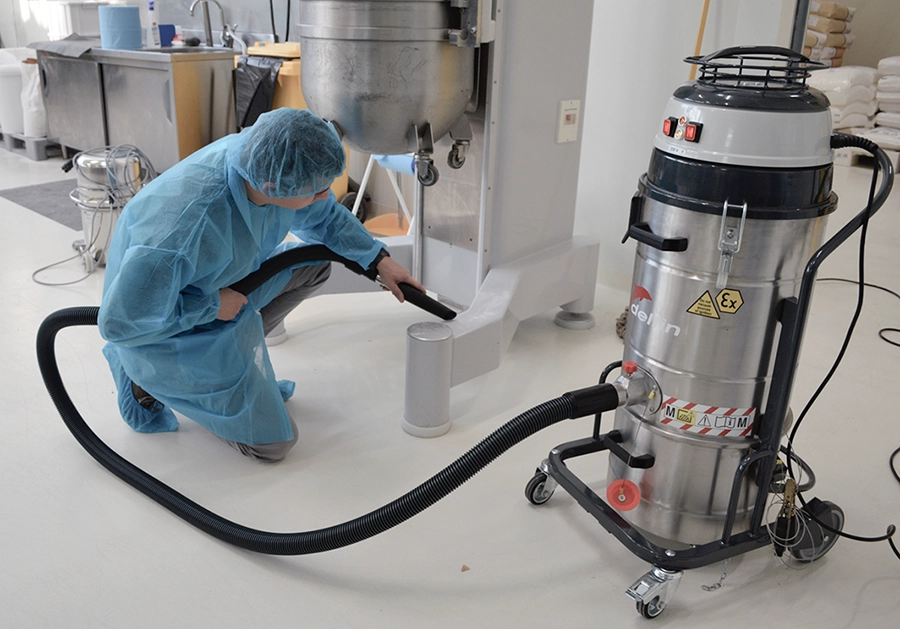
The invisible weakest link
Why a conductive or antistatic hose isn't sufficient on its own — and what grounding means for the complete system.
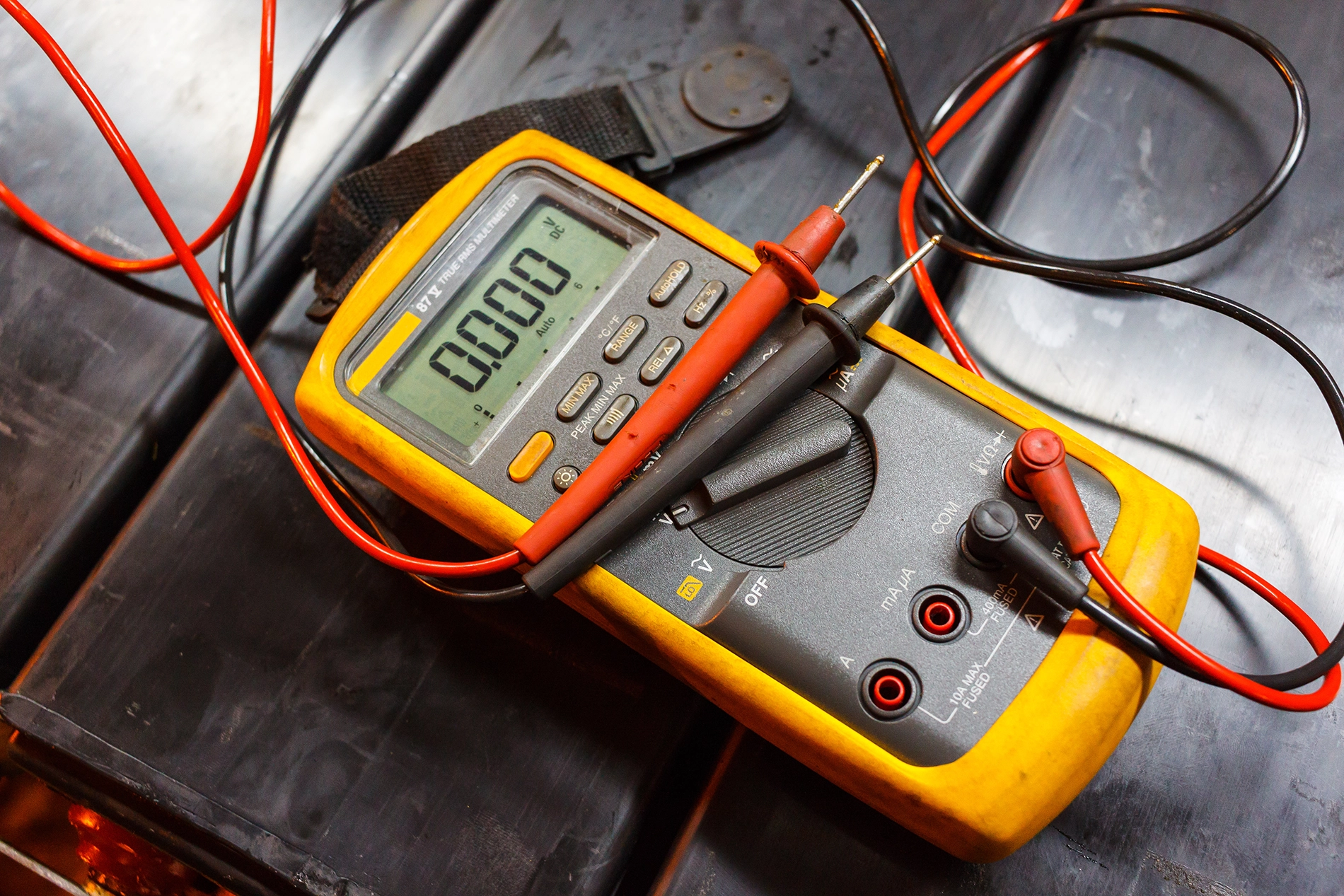
Know your ohm
The difference between antistatic and conductive, which resistance limits apply where, and how to measure them correctly.
Industries that use it
METAL HOSE INOX 376 is used where an all-metallic hose is required — typically in wood, paper and glass-ceramic industries:
In the wood industry it's a strong choice on all extraction systems handling wood dust. Wood dust is often classified as flammable dust (St 1 or St 2), making ATEX-approved extraction an authority requirement. The steel hose also tolerates spark exposure from sawing or milling.
In the paper industry it's used for central extraction and filter systems where process dust accumulates heat. Ordinary plastic hoses melt or deform under prolonged heat exposure — making the steel hose a well-suited option for the hottest applications.
In glass, ceramics and refractory industries the hose transports very abrasive particles at high temperatures. The steel's abrasion resistance is decisive — ordinary hoses would be worn through in weeks or months.
Custom lengths and assemblies
The hose is delivered on 10 m rolls. We cut to length and fit flange couplings or standard fittings as a finished assembly.
For central extraction systems we can establish serial deliveries with consistent lengths and couplings across the installation.


Frequently asked questions
Does it tolerate +600 °C continuously?
Yes — that's the specified upper limit, and stainless steel retains physical form and strength at that temperature. Note however that corrosion can increase during continuous service in humid high-temperature environments; for specific corrosive media the material choice should be cross-checked (ordinary stainless steel is good for most media up to that temperature).
What are ATEX Zone 20, 21 and 22?
Zone 20: continuously present explosive dust (e.g. in dust filter or silo bottom). Zone 21: regularly present dust (e.g. around conveyors). Zone 22: occasional dust (e.g. in mill rooms). The hose covers ALL three zones internally — covering the entire spectrum of dust-explosive areas.
Does the hose need to be grounded?
Yes, ALWAYS. The ATEX approval requires correct grounding — without grounding, static electricity will accumulate in the hose instead of dissipating, which can trigger an explosion in dust-filled environments. Read our article "The invisible weakest link" for practical guidance on grounding.
Is it flexible?
Not like an ordinary PVC or PUR hose. The steel spiral makes it semi-flexible — it can be bent within the specified bend radius, but cannot be twisted or compressed like a flexible hose. Bend radius is shown in the dimension table for each inner diameter.
Does it tolerate wet media?
Yes, but the hose is primarily designed for dry dust or hot gases. For wet media (e.g. water spray or oil mist) the steel tolerates it well, but corrosion can accelerate over time — especially if the medium contains chlorides or acidic vapours. For continuous wet handling, material choice should be specifically assessed.
Can I get it with specific flanges?
Yes. We cut to length and fit flanges, couplings or bayonet connections as a finished assembly. For wood industry standardised extraction systems we can typically deliver with pre-configured couplings.