ATEX/ESD · Antistatic
PROTAPE PUR 330 AS BLACK (LD)
PROTAPE PUR 330 AS BLACK (LD) is a highly flexible multi-purpose extraction hose with an antistatic wall below 10⁹ ohm. The hose is qualified per ATEX 2014/34/EU and TRGS 727 for zone 22 inside (dust) and zone 1 + 2 outside (gas). The PUR wall is wear-resistant and lightweight, and the combination of antistatic function and low weight makes the hose a standard solution on extraction systems in chemical, wood processing and mechanical engineering industries.
- -40 to +90 C
- Antistatic
- ATEX 2014/34/EU
- TRGS 727 zone 22
- Wear-resistant PUR
- Dust and vapours
Why this hose?
Antistatic wall below 10⁹ ohm is the minimum requirement for ATEX zone 22 inside and zone 1-2 outside. PROTAPE PUR 330 AS BLACK (LD) achieves this through an additive in the PUR matrix that makes the entire wall conductive - not just the surface. This means the function is stable over time and does not wear off as with an external coating.
PUR (polyether-based polyurethane) is the material that makes the hose both wear-resistant and lightweight. PUR tolerates particle erosion better than most rubber-based hoses, and PUR hoses are typically 30-40% lighter at the same dimension. This is a significant advantage in manual handling of extraction arms and flexible connections.
The spiral wire in the wall serves three purposes: it provides collapse resistance under suction, it functions as an electrical conductor to ground, and it defines the bend radius the hose can handle without kinking. Correct ATEX installation requires the spiral to be connected to the grounding system at each end.
Where it is used
Central extraction systems at chemical production facilities use the hose to collect vapours from reactor tap-offs and fume hoods into a shared abatement system. The antistatic wall is required due to local ATEX zones, and the hose's flexibility ensures retrofit installations can be adapted to existing pipework.
Wood working shops use the hose for CNC machining extraction and sanding station connections. The wall's wear resistance is critical here - fine dust from hardwood and veneer is highly abrasive. The hose can often last 3-5 years in continuous operation where a standard PVC hose lasts only 1 year.
Metal and automotive industries use the hose for car gas extraction (zone 22 inside for possible cold-start dust, zone 1-2 outside for petrol vapours). The hose's robust wall combined with antistatic function is a standard solution on test benches and workshop bays.
The hose is colloquially known as an antistatic PUR hose or ATEX extraction hose.
Technical specifications
The hose's key specifications are briefly summarised below. ATEX marking covers zone 22 inside and zone 1-2 outside; working pressure and vacuum vary per dimension - see the dimensions table.
| Wall material | PUR (polyether-based polyurethane) |
|---|---|
| Spiral | Embedded spring-steel wire |
| Colour | Black |
| Wall thickness | 0.6 mm (all dimensions) |
| Temperature range | -40 to +90 C (peak +125 C short-term) |
| Electrical resistance | <109 Ω (surface and volume) per ISO 8031 |
| ATEX zone (inside) | Zone 22 (dust) |
| ATEX zone (outside) | Zone 1 and 2 (gas) |
| Compressibility | Highly flexible, 3:1 |
| Manufacturer SKU | 3303030 |
Dimensions and ordering
The table shows the hose's 16 standard dimensions. Pressure values are per ID, and vacuum resistance also varies per dimension. Small dimensions (25, 55, 63, 110 mm) are delivered without specified pressure rating - contact us for precise specifications.
| Inner Ø |
Outer Ø |
Wall thickness |
Working pressure |
Working pressure |
Vacuum |
Vacuum |
Bend radius |
Max. length |
Weight |
Roll |
Article no. |
|---|---|---|---|---|---|---|---|---|---|---|---|
| 25 | 30 | 0.6 | — | — | — | — | — | 15 | 0.15 | — | 33000253030 |
| 40 | 45 | 0.6 | 1.02 | 2.64 | 0.335 | 0.69 | 27 | 30 | 0.26 | 10 | 33000403030 |
| 50.5 | 58.5 | 0.6 | 0.82 | 2.12 | 0.22 | 0.87 | 33 | 30 | 0.37 | 10 | 33000503030 |
| 55 | 63 | 0.6 | — | — | — | — | — | 10 | 0.4 | — | 33000553030 |
| 60 | 68 | 0.6 | 0.685 | 1.77 | 0.18 | 0.61 | 38 | 30 | 0.43 | 10 | 33000603030 |
| 63 | 71 | 0.6 | — | — | — | — | — | 15 | 0.46 | — | 33000633030 |
| 75.6 | 83 | 0.6 | 0.55 | 1.42 | 0.145 | 0.4 | 46 | 30 | 0.54 | 10 | 33000753030 |
| 80 | 88 | 0.6 | 0.515 | 1.33 | 0.135 | 0.35 | 48 | 30 | 0.57 | 10 | 33000803030 |
| 101.5 | 109.5 | 0.6 | 0.415 | 1.07 | 0.08 | 0.31 | 58 | 30 | 0.68 | 10 | 33001003030 |
| 110 | 118 | 0.6 | — | — | — | — | — | 30 | 0.73 | — | 33001103030 |
| 120 | 128 | 0.6 | 0.345 | 0.89 | 0.065 | 0.22 | 68 | 30 | 0.8 | 10 | 33001203030 |
| 126.5 | 134.5 | 0.6 | 0.335 | 0.86 | 0.065 | 0.2 | 71 | 30 | 0.84 | 10 | 33001253030 |
| 140 | 148 | 0.6 | 0.295 | 0.76 | 0.055 | 0.16 | 78 | 30 | 0.92 | 10 | 33001403030 |
| 151.5 | 159.5 | 0.6 | 0.275 | 0.71 | 0.055 | 0.14 | 83 | 25 | 1 | 10 | 33001503030 |
| 160 | 168 | 0.6 | 0.26 | 0.67 | 0.05 | 0.12 | 88 | 25 | 1.05 | 10 | 33001603030 |
| 202.3 | 210.3 | 0.6 | 0.21 | 0.54 | 0.03 | 0.11 | 108 | 20 | 1.34 | 10 | 33002003030 |
Fields without a value (—) are not specified in the manufacturer's factsheet. Overpressure and underpressure values are recommended operating limits; the product can be subjected to higher loads on request. Bend radius is measured along the inside of the hose bend.

Standards and compliance
The hose is qualified per the central standards for ATEX-suitable industrial hoses. ISO 8031 and ATEX 2014/34/EU are the primary references.
- ISO 8031. Determination of electrical and surface resistance in rubber and plastic hoses. Standard test for qualification of antistatic and conductive hoses.
- ATEX 2014/34/EU (1999/92/EC). EU directive for equipment in potentially explosive atmospheres. The hose is qualified for zone 22 inside (dust) and zone 1+2 outside (gas).
- TRGS 727 (Germany). Technical rules for hazardous substances; specifies resistance limits for hoses used in potentially explosive atmospheres.
- NFPA 652. US standard for combustible dust handling. Specifies 108-109 Ω resistance for antistatic hoses - falls within the hose's specification.
- EN 60079-32-1. International guidelines for electrostatic hazards; relevant for setup of grounding systems on antistatic hoses.
- RoHS Directive (2011/65/EU). Restriction of hazardous substances. Manufacturer declaration on file.
- REACH (EC 1907/2006). Registration of chemical substances. Manufacturer declaration on request.
Documentation and downloads
Additional documents about this hose, its compliance and installation. Click to download as PDF in a new tab.
Help with material selection
If you're choosing a hose and are unsure about the right resistance level or zone classification, these two articles are a good place to start:
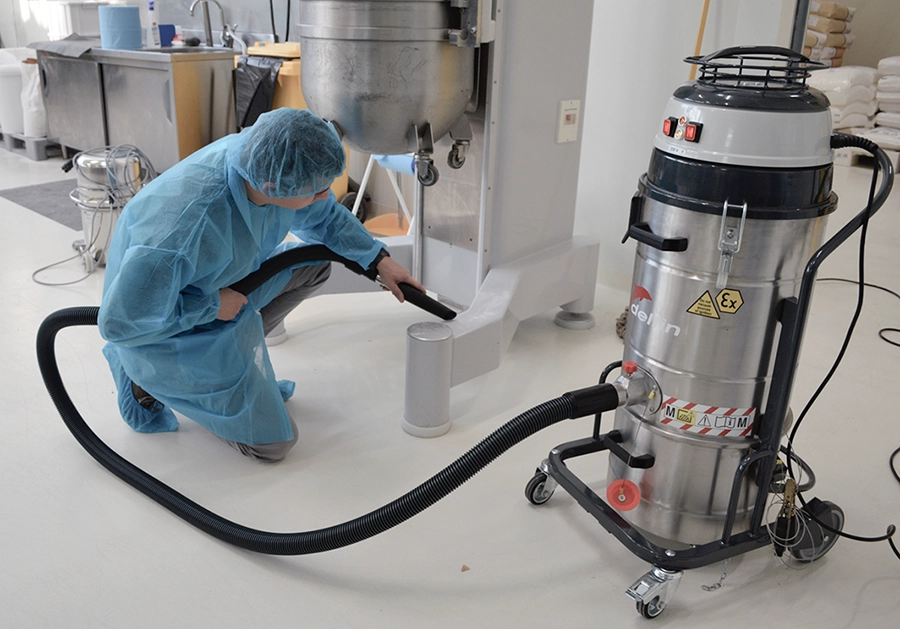
The invisible weakest link
Why a conductive or antistatic hose isn't sufficient on its own — and what grounding means for the complete system.
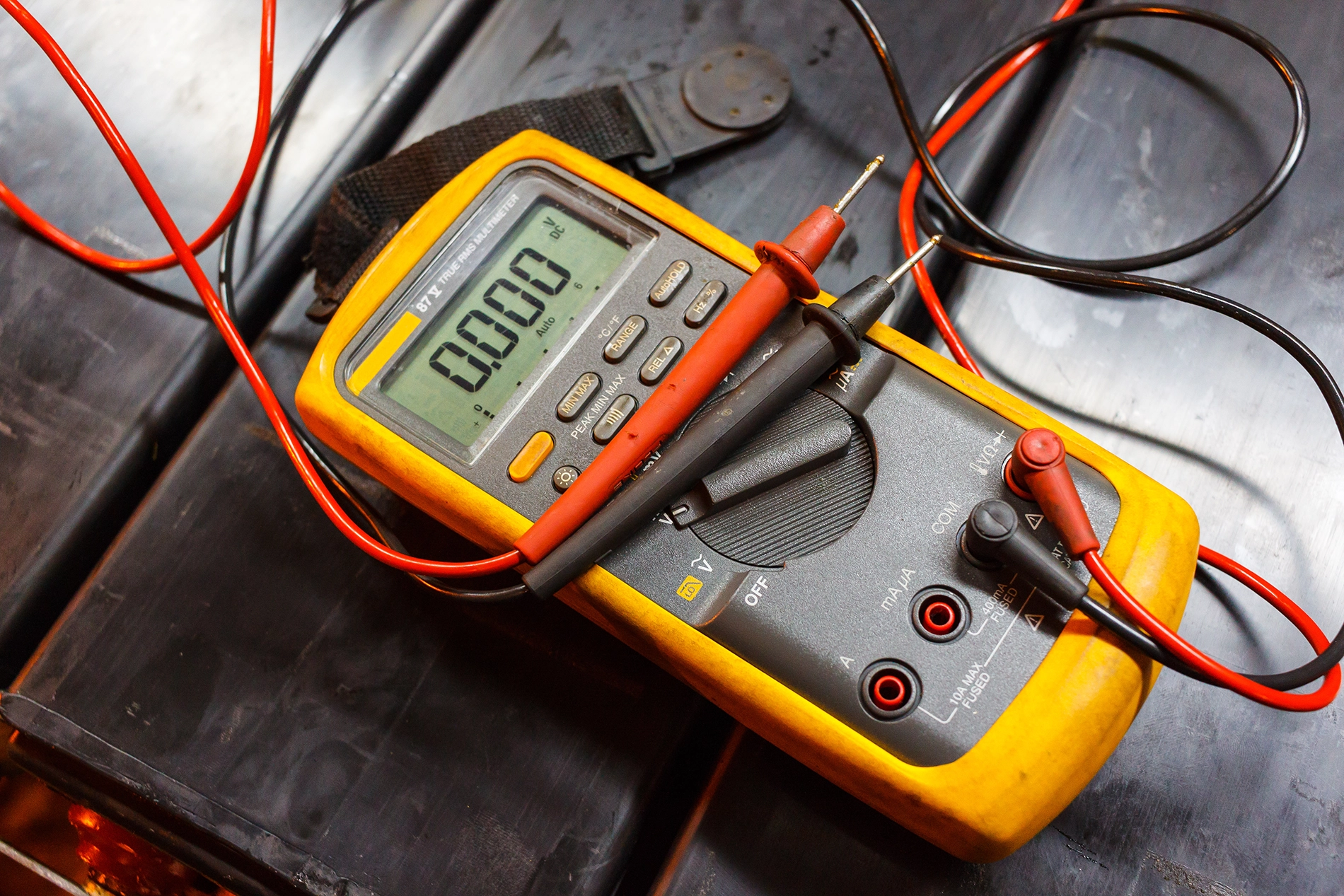
Know your ohm
The difference between antistatic and conductive, which resistance limits apply where, and how to measure them correctly.
Industries that use it
PROTAPE PUR 330 AS BLACK (LD) is used where dust or vapours must be extracted in an ATEX zone - typically where an antistatic wall is required due to explosion risk from dust or gas.
Chemical industry and laboratories form the main market. Vapours from reactions, solvent handling and fume hood installations require an antistatic extraction hose per the ATEX directive and local TRGS rules. The hose's qualification for zone 22 inside and zone 1-2 outside covers most lab and production zones.
Wood and metal processing use the hose for dust and chip extraction. Dust from sanding and sawing is classic zone 22 inside - fine dust is ignitable under the right conditions, and an antistatic hose is the minimum requirement to avoid spark-induced ignition. The hose's wear resistance is a major advantage in continuous operation with abrasive particles.
Printing, textile and paper industries are secondary markets. Solvent vapours from printing processes, fine dust from paper cutting and fibres from textile handling all pass through extraction systems. The hose's combined antistatic and wear-resistant profile reduces the need for separate hose types per application.
Custom lengths and assemblies
The hose can be delivered cut to desired lengths. The standard roll can be supplemented with shorter pieces or multiple rolls by arrangement.
At Particulair we advise on couplings and sizing. Send us a sketch of your application and we will assess the right variant and length.


Frequently asked questions
What does 'antistatic' mean for the hose in practice?
Antistatic means the hose's wall has an electrical surface and volume resistance below 10⁹ ohm per ISO 8031. In practice, static electricity discharges to a ground connection before the charge can build up to a spark. This is critical in ATEX zones with dust (zone 22 inside) and gas (zone 1-2 outside), where a spark can ignite explosive mixtures.
Which ATEX zones can the hose be used in?
Per the factsheet the hose is qualified for zone 22 inside (dust) and zone 1 + 2 outside (gas). It can also transport non-flammable liquids. The hose is NOT qualified for zone 0 or 20 (continuously explosive zones) - those require a conductive variant. Use PROTAPE PUR 330 AS BLACK (LD) in zone-transitional applications, not in zones with continuously explosive mixtures.
Why is grounding important?
An antistatic hose without grounding is like a wall socket without a wire - the physical property is there but the function is not active. The spiral wire in the wall must be connected to the installation's grounding system at each end; otherwise static electricity builds up even in a conductive hose. Our article 'The invisible weakest link' goes into depth on this.
What is the difference between LD and HD in the PROTAPE family?
LD (light-duty) and HD (heavy-duty) are the manufacturer's internal classification of wall thickness and pressure resistance. The LD variant here has 0.6 mm wall and is optimised for low-pressure extraction (typically under 1 bar). HD variants have thicker walls and tolerate higher working pressures.
Which media can the hose transport?
The factsheet specifies gas and dust as primary media. This covers extraction of airborne dust, vapours, paint overspray and general extraction. The PUR wall is resistant to many solvents in vapour form, but is not intended for sustained contact with strong chemicals in liquid form.
What temperature does the hose tolerate?
-40 to +90 C in normal operation, with short-term peaks up to +125 C. This covers most extraction applications including hot process gas streams. For continuous high-temperature applications (above +100 C) we recommend a silicone or PUR-HT-based hose.
How many dimensions are in the range?
16 dimensions from 25 mm to 202 mm inner diameter. Standard roll lengths are 10, 15, 25 or 30 m depending on dimension - smaller dimensions come on shorter rolls. Wall thickness is consistent 0.6 mm across the range.
Can the hose be delivered with pre-assembled couplings?
Yes - for ATEX installations we typically fit conductive metal hose ends or worm-drive clamps with a grounding tab. This ensures the ground connection is mandatory and verifiable at each end. At Particulair we advise on coupling choice and documentation of grounding measurement.