Food/Pharma · EU 1935/2004 + EU 10/2011
AIRDUC® PUR 356 FOOD REINFORCED (XXHD)
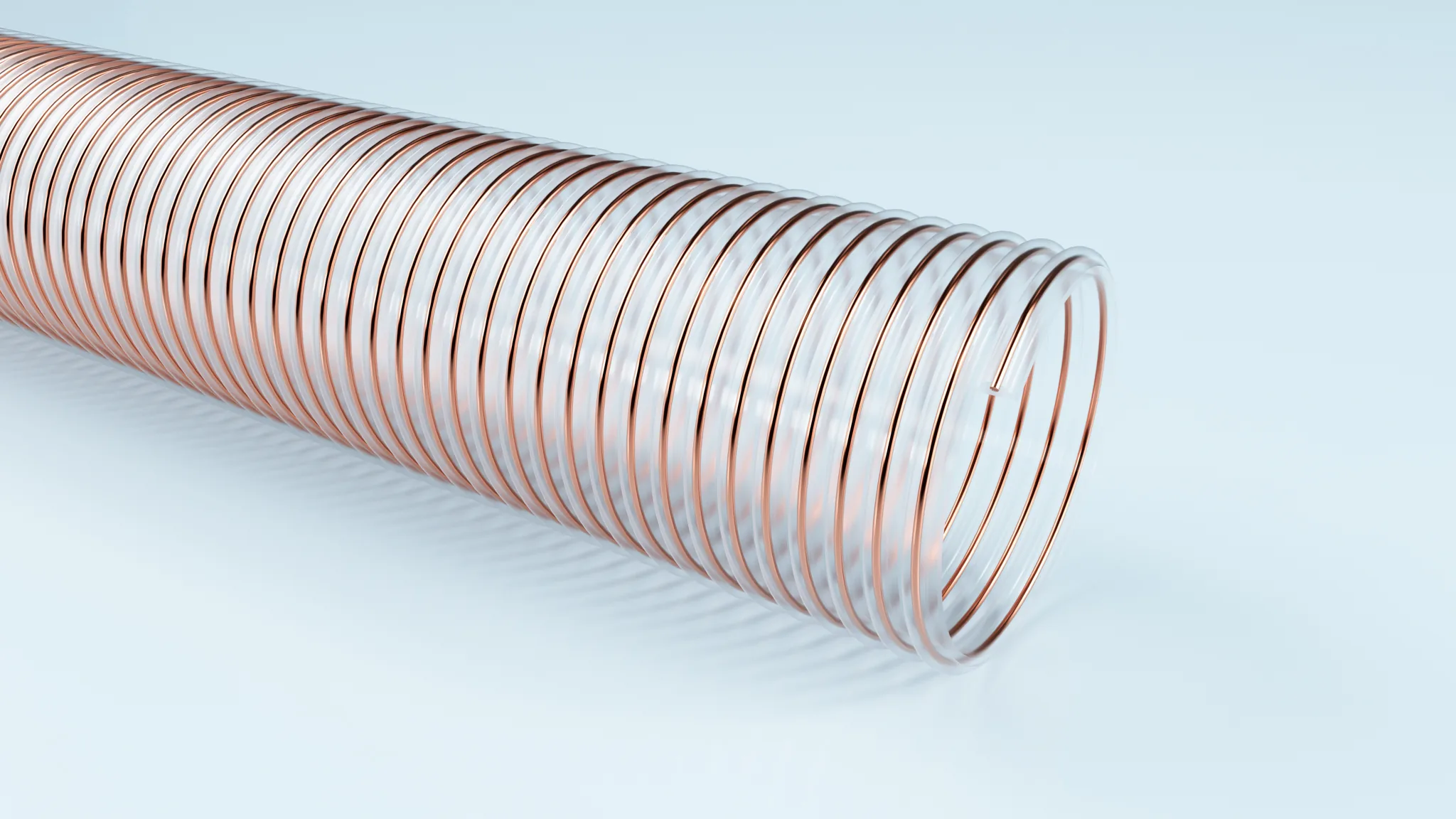
The absolute top of the AIRDUC® FOOD family. The XXHD construction — "extra extra heavy duty" — is built for processes where even an XHD hose would be a replaceable wear element. The wall thickness and reinforcement are markedly higher than the rest of the series, and the hose is specifically designed for high throughput of strongly abrasive foods. Food-grade per all categories in EU 10/2011 (A-E + D2), GMP EU 2023/2006, FDA 21 CFR 177.2600.
- Food-grade EU + FDA + LFGB
- XXHD extreme wear resistance
- Industrial-scale bulk
- Gas, dust, liquid, solid
- All EU food simulants
- Cut to length
Why this hose?
AIRDUC® PUR 356 FOOD REINFORCED (XXHD) is specialised. XXHD stands for "extra extra heavy duty" — a construction more heavily reinforced than any other in the FOOD series.
It is built for processes where even an HD or XHD hose is a replaceable wear element that has to be changed too often. Take grain pneumatics with high sand inclusion, or feed distribution with sharp particle content: a standard food hose would wear out in weeks, an XHD perhaps in months, while XXHD is designed to last through the longer operational cycle.
Food-grade quality is top class — tested and approved per all relevant categories in EU 10/2011 plus FDA 21 CFR 177.2600 and the German LFGB.
Not ATEX-approved. The hose does not have an antistatic wall and is not approved for classified zones. For processes combining extreme wear and ATEX requirements, combine an AS variant (e.g. 356 FOOD-AS XHD) with system considerations of sufficient service life or frequent replacement.
Where it is used
AIRDUC® PUR 356 FOOD REINFORCED (XXHD) is a specialty hose for industrial-scale bulk handling of abrasive foods.
In practice we see it on silo trucks and grain pneumatics where sand inclusion or sharp-edged bulk material is expected.
It is also used for tablet presses with abrasive active ingredients and vacuum pumps in high-volume food production.
The formal product name is AIRDUC® PUR 356 FOOD REINFORCED (XXHD). In daily use this is "the absolute heaviest FOOD" — the specialty hose for extreme industrial loading.
Technical specifications
Specifications are current as of 15 April 2026 and refer to 20 °C unless otherwise stated.
| Material | Polyurethane (PUR), food-grade — extra reinforced formulation |
|---|---|
| Colour | Transparent |
| Wall construction | Extra extra heavy duty (XXHD), heavily reinforced |
| Conveying media | Gas, dust, liquid, solid |
| Temperature range | −40 °C to +90 °C |
| Short-term peak | +125 °C |
| Food approval | EU 10/2011 (all categories A, B, C, D2 and E), EU 1935/2004, FDA 21 CFR 177.2600, LFGB, GMP EU 2023/2006 |
| ATEX marking | Not ATEX-approved |
| Cut to length | Yes |
| Manufacturer SKU (model group) | 3565100 |
Dimensions and ordering
The table shows the main variants from the manufacturer's factsheet. Fields without a value (—) are not specified. Diameters, pressure values and bend radii are normative; weights and roll lengths are typical production values.
| Inner Ø |
Outer Ø |
Wall thickness |
Working pressure |
Vacuum |
Bend radius |
Max. length |
Weight |
Article no. |
|---|---|---|---|---|---|---|---|---|
| 50 | 65 | 3.5 | 4.065 | 1 | 189 | 15 | 1.55 | 35600505100 |
Overpressure and underpressure values are recommended operating limits; the product can be subjected to higher loads on request. Bend radius is measured along the inside of the hose bend.

Standards and compliance
The hose is certified to the following standards:
- EU 10/2011 (relevant categories). EU regulation for plastics in food contact.
- EU 1935/2004. Framework regulation for food contact materials.
- FDA 21 CFR 177.2600. US food approval for polyurethane materials.
- GMP EU 2023/2006. Manufacturing process certified to Good Manufacturing Practice.
- REACH and RoHS. The manufacturer holds declarations of compliance.
- LFGB. German Food and Feed Code — strict German requirements for food contact materials.
Documentation and downloads
Additional documents about this hose, its compliance and installation. Click to download as PDF in a new tab.
Help with material selection
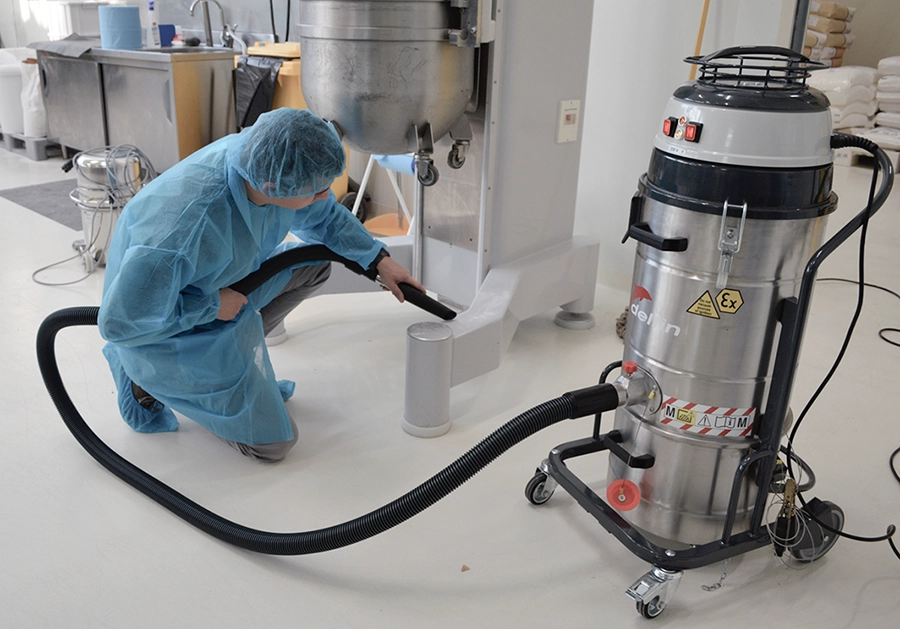
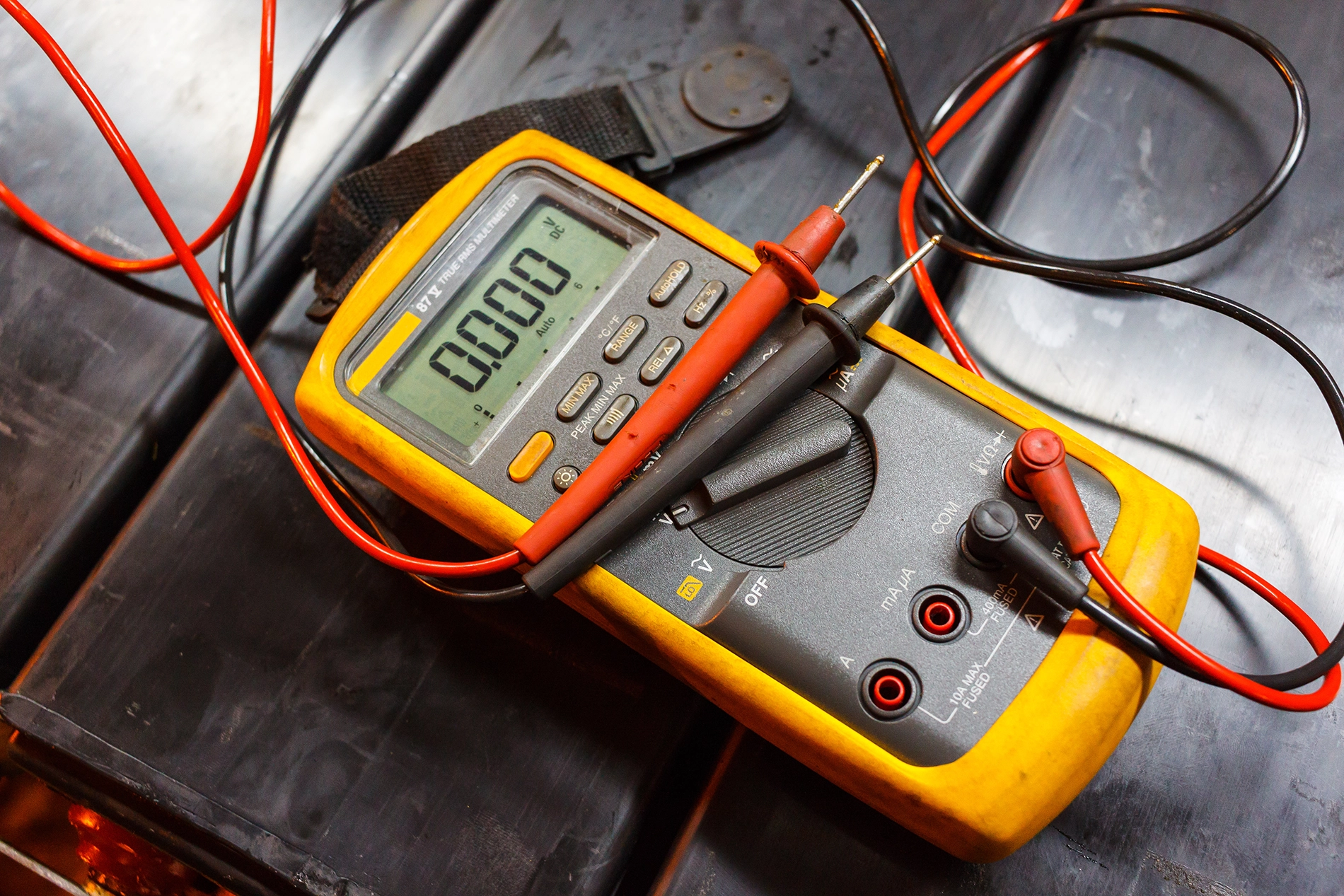
Even though this hose is not ATEX-relevant, these two articles provide useful background on electrical resistance and industrial safety — important if you later combine the hose with electrical equipment or work in mixed environments:
Industries that use it
The hose is used in industrial-scale food production where wear resistance is the primary operational challenge:
Food, pharmaceutical and agricultural industries use the hose on the most demanding processes where abrasive foods must be handled at industrial scale.
Silo and pump technology use it for bulk distribution and vacuum pumps where service life is critical.
Custom lengths and assemblies
The hose can be cut to length and assembled with couplings, cuffs and threaded fittings through Particulair's custom hose assemblies.
We offer guidance on material choice, coupling system and grounding, so the hose fits correctly into the overall system. If there is any doubt about zone classification or resistance requirements, a short conversation before ordering is well worth the time.


Frequently asked questions
Why XXHD instead of XHD?
The XXHD construction marks the highest level of wear resistance in the AIRDUC® FOOD family. It is more heavily reinforced than XHD and specifically targeted at processes where an XHD hose would need frequent replacement. It is a specialty hose — choose it when daily operation with abrasive foods is the primary challenge.
Is the hose ATEX-approved?
No. AIRDUC® PUR 356 FOOD REINFORCED (XXHD) is not antistatic and not ATEX-approved. For classified zones with combustible dust, choose AIRDUC® PUR-INOX 356 FOOD-AS (XHD) which covers Zone 0-22 with antistatic wall.
Is the hose food-approved for all types of foods?
Yes. The hose is tested for all relevant categories in EU 10/2011 (A, B, C, D2 and E) — from aqueous to alcoholic to fatty foods. That covers the full spectrum of food processes.
What is the hose's expected service life?
Service life depends on operating conditions: loading, temperature, chemical exposure, UV and mechanical movement. In standard industrial use, expected life is 3-7 years. Aggressive conditions (high temperatures, continuous flexing, chemical vapours) reduce service life. We recommend regular visual inspection for cracks, deformation or discolouration.
What is the minimum bend radius, and what happens if I go below it?
Minimum bend radius is the smallest radius the hose can be bent to without permanent deformation or internal damage. The table above shows specific values for each dimension. Bending the hose below this limit can collapse the wall, kink the spiral or damage the inner coating. The result is reduced flow, increased pressure loss and shorter service life. Always use bend radius as a design constraint in installation.
What do EU 10/2011 and EU 1935/2004 mean?
EU 1935/2004 is the framework regulation for materials and articles in contact with food — the overarching safety baseline. EU 10/2011 specifies plastics materials in food contact, including migration limits and test categories (A=aqueous, B=acidic, C=alcoholic, D=fatty, E=dry). When the hose is tested for relevant categories, it means it is safe for food contact with those media types.
What does "GMP-certified manufacturing process" mean?
GMP (Good Manufacturing Practice) per EU 2023/2006 means the manufacturing of the hose is controlled, documented and traceable from raw material to finished product. It is not only the product that is food-grade — the production process itself is subject to food-safety protocols. This is typically mandatory for pharma and food industries where traceability is a formal requirement.
What is the difference between working pressure and burst pressure?
Working pressure is the pressure the hose is designed to operate at continuously and safely. Burst pressure is where the hose mechanically fails. The safety factor is typically 3:1 (burst is 3× working pressure), but varies by construction. Running the hose close to burst pressure is never safe in practice — there must always be margin for sudden pressure spikes, temperature changes and material ageing. Stay below working pressure in normal operation.