Food/Pharma · EU 1935/2004 + EU 10/2011
AIRDUC® PUR-INOX 351 FOOD-AS (MD)
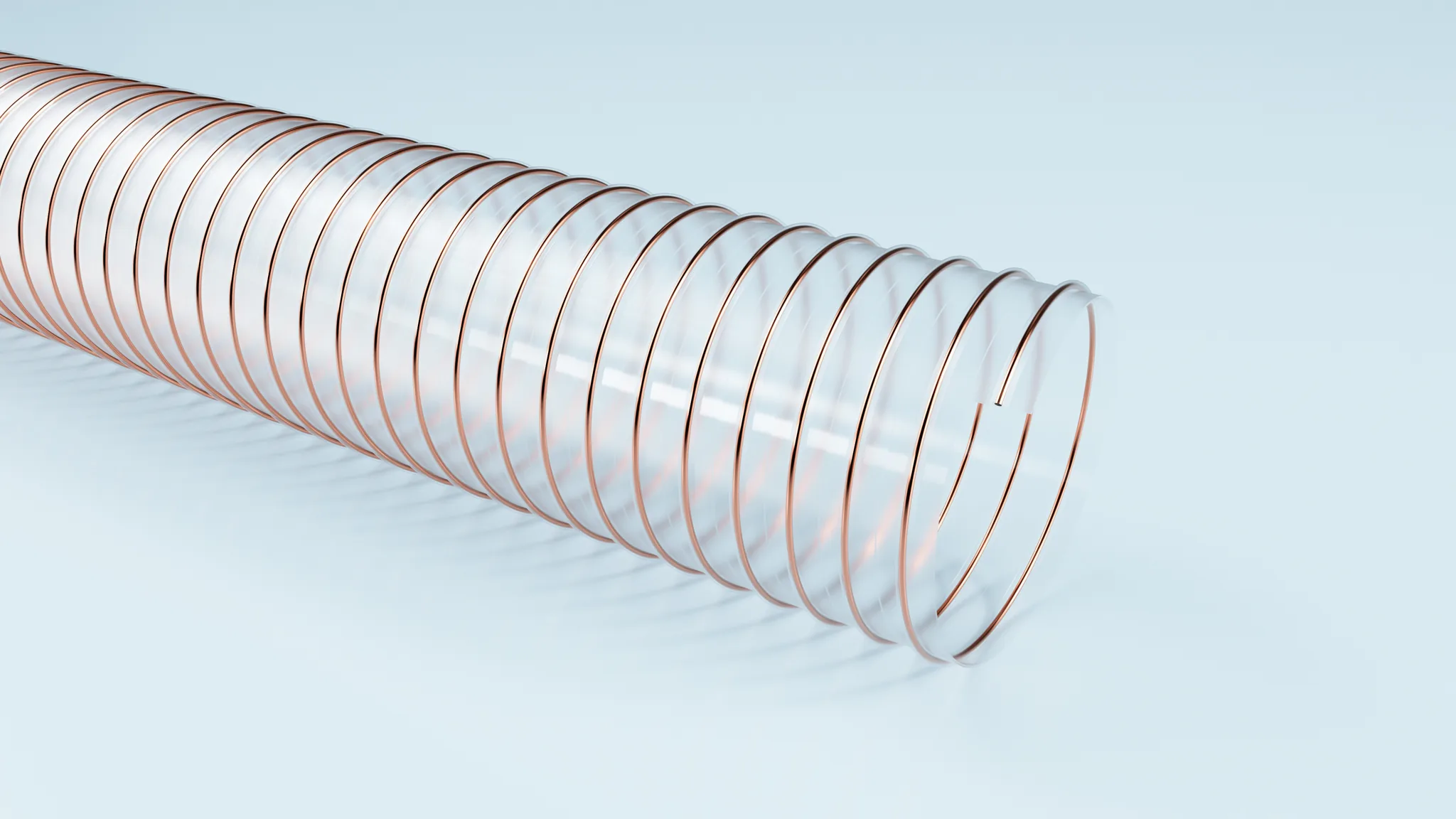
Hard-wearing antistatic polyurethane hose with stainless steel (INOX) spiral, specifically designed for conveying dry, abrasive bulk materials and powders in the food and pharmaceutical industries. The wall construction combines food-grade quality (FDA 21 CFR 177.2600, EU 10/2011, GMP EU 2023/2006) with an antistatic wall <10⁹ Ω and full ATEX approval for Zone 0/1/2 (gases) and Zone 20/21/22 (dust). The stainless spiral ensures corrosion resistance through CIP cleaning cycles.
- Food-grade EU + FDA
- Antistatic <10⁹ Ω
- Zone 0/1/2 + 20/21/22
- Abrasion-resistant PUR wall
- Stainless steel spiral
- Cut to length
Why this hose?
AIRDUC® PUR-INOX 351 FOOD-AS (MD) solves a specific problem: how do you convey combustible powder in food or pharmaceutical industries without compromising either food safety or ATEX safety?
The wall construction is food-grade PUR. It is the same base construction as AIRDUC® PUR 351 FOOD (MD), but here the wall is permanently antistatic-formulated with surface resistance below 10⁹ Ω. Combined with the stainless steel spiral instead of regular spring steel, you get a hose that survives CIP cleaning and is fully ATEX-approved for zone 0/1/2 (gases) and zone 20/21/22 (dust).
In practice, that means the hose can be used for pneumatic conveyance of flour, sugar, grain, cocoa and pharmaceutical powders — all dry bulk materials where the dust is combustible and food safety is a formal requirement.
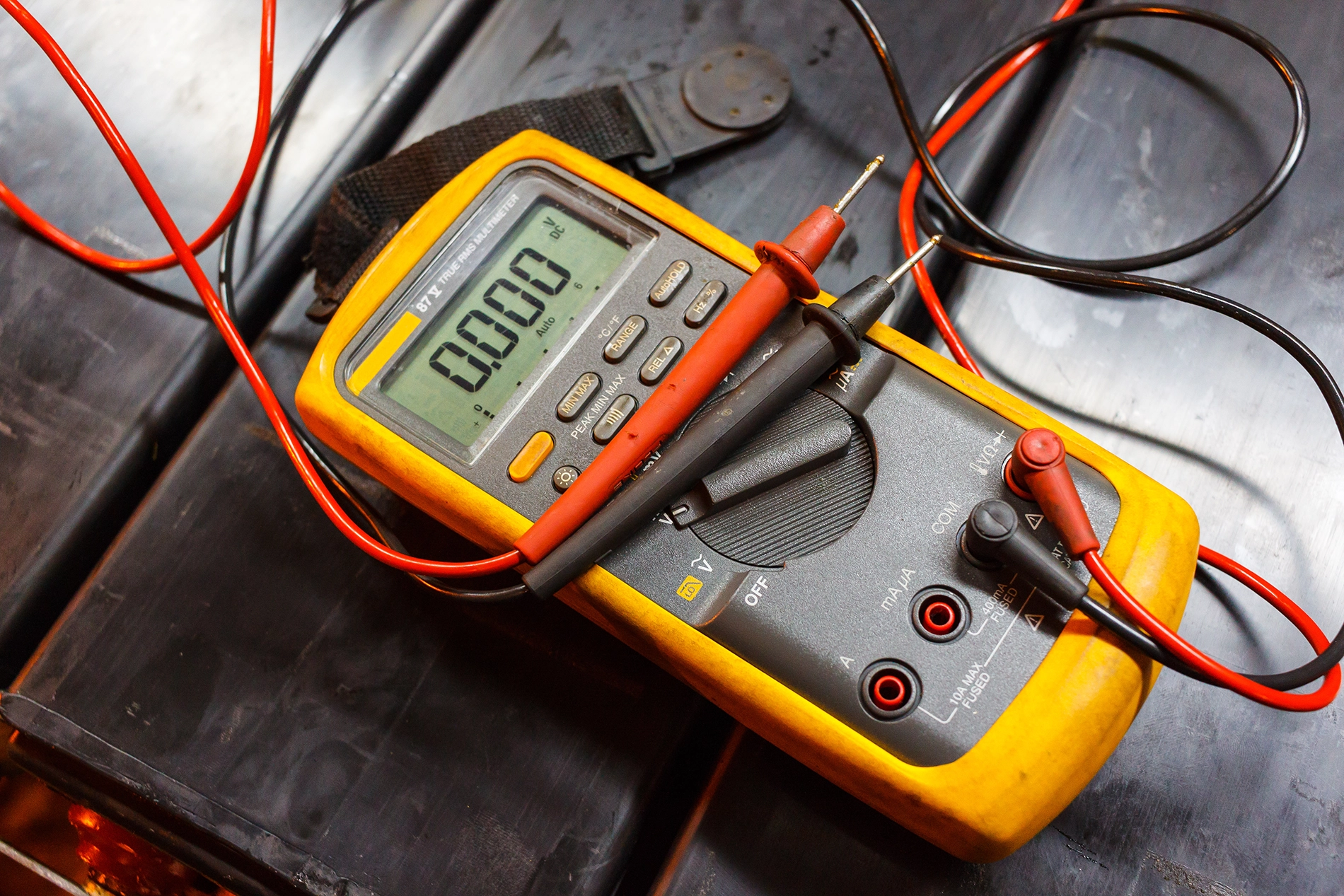
The hose is one part of a system. The ATEX approval assumes the entire system is correctly grounded. Proper grounding is a prerequisite for the antistatic property to function. We always recommend measuring loop resistance after installation.
Where it is used
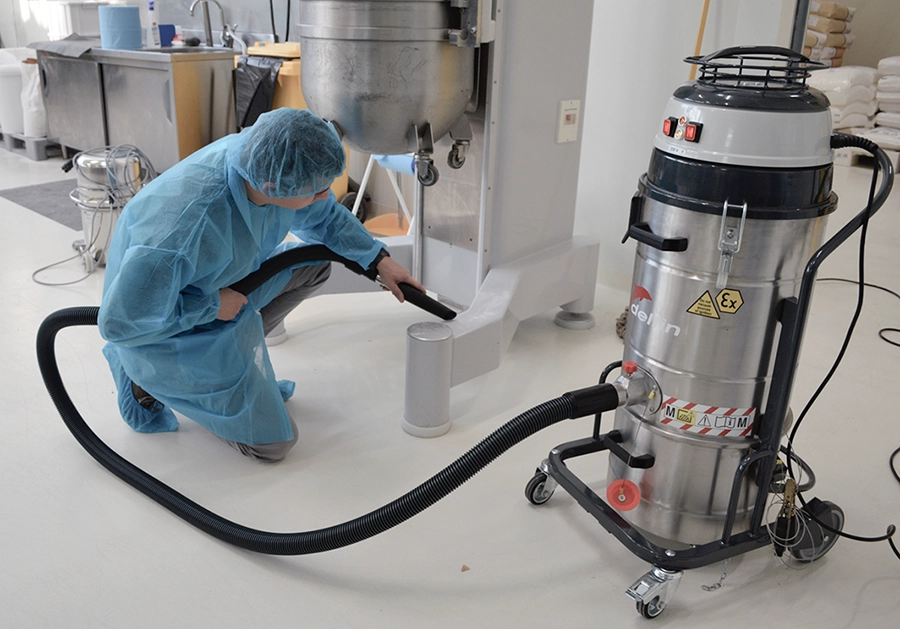
AIRDUC® PUR-INOX 351 FOOD-AS (MD) is a workhorse in processes that demand both food safety and explosion protection. That is classic in dairy and pharmaceutical industries where powders move through classified zones.
In practice we see it most often used for bulk-bag filling and discharging, for granulate conveying in pharmaceutical production, and for tablet presses and powder management.
It is also used for pneumatic conveyance of grain, flour and animal feed in agricultural and food production, and for extraction in classified food zones.
The formal product name is AIRDUC® PUR-INOX 351 FOOD-AS (MD). In daily use, many simply call it "the food-AS hose" or "INOX-AS" — the right choice when both food approval and ATEX marking are mandatory.
Technical specifications
Specifications are current as of 15 April 2026 and refer to 20 °C unless otherwise stated.
| Material | Polyurethane (PUR), food-grade and permanently antistatic |
|---|---|
| Colour | Transparent |
| Wall construction | Medium duty (MD), spiral-reinforced food-grade PUR with stainless steel spiral |
| Spiral material | Stainless steel (INOX) — protects against corrosion under CIP cleaning |
| Conveying media | Gas, dust, liquid, solid |
| Temperature range | −40 °C to +90 °C |
| Short-term peak | +90 °C |
| Electrical resistance | Antistatic wall <10⁹ Ω (TRGS 727 <2.5×10⁸ Ω·m, NFPA 652 threshold: 10⁸–10⁹ Ω) |
| Food approval | EU 1935/2004, EU 10/2011 (all categories A-E + D2), FDA 21 CFR 177.2600, GMP EU 2023/2006 |
| ATEX marking | In accordance with ATEX 2014/34/EU (1999/92/EC) and German TRGS 727: flammable liquids (zone 0/1/2 interior), non-flammable liquids, gases zone 1/2, gases zone 0; pneumatic transport of combustible dust (zone 20/21/22 interior), aspiration of combustible dust (zone 22 interior). |
| Cut to length | Yes |
| Manufacturer SKU (model group) | 3511018 |
The hose tolerates CIP cleaning. The stainless steel spiral means the hose can be cleaned with hot water and cleaning chemicals without the spiral corroding. That is a practical advantage in daily operation where regular CIP is a prerequisite for food safety.
Dimensions and ordering
The table shows the main variants from the manufacturer's factsheet. Fields without a value (—) are not specified. Diameters, pressure values and bend radii are normative; weights and roll lengths are typical production values.
| Inner Ø |
Outer Ø |
Wall thickness |
Working pressure |
Working pressure |
Vacuum |
Vacuum |
Bend radius |
Max. length |
Weight |
Roll |
Article no. |
|---|---|---|---|---|---|---|---|---|---|---|---|
| 25.1 | 32.1 | 1 | 2.64 | 4.49 | 0.68 | 1 | 22 | 21 | 0.24 | 10 | 35100251018 |
| 32 | 40 | 1 | 2.09 | 3.56 | 0.44 | 1 | 28 | 20 | 0.29 | 10 | 35100321018 |
| 38 | 46 | 1 | 1.775 | 3.02 | 0.37 | 1 | 32 | 20 | 0.34 | 10 | 35100381018 |
| 40 | 48 | 1 | 1.69 | 2.87 | 0.355 | 1 | 33 | 30 | 0.36 | 10 | 35100401018 |
| 50.5 | 58.5 | 1 | 1.365 | 2.32 | 0.285 | 1 | 39 | 30 | 0.44 | 10 | 35100501018 |
| 60 | 68 | 1 | 1.145 | 1.94 | 0.235 | 0.82 | 45 | 30 | 0.52 | 10 | 35100601018 |
| 64.5 | 72.5 | 1 | 1.055 | 1.79 | 0.22 | 0.7 | 48 | 30 | 0.55 | 10 | 35100651018 |
| 70 | 79 | 1 | 0.985 | 1.67 | 0.145 | 0.83 | 52 | 25 | 0.6 | 10 | 35100701018 |
| 75 | 84 | 1 | 0.92 | 1.56 | 0.135 | 0.72 | 55 | 25 | 0.64 | 10 | 35100751018 |
| 80 | 89 | 1 | 0.865 | 1.46 | 0.125 | 0.64 | 58 | 25 | 0.68 | 10 | 35100801018 |
| 90 | 99 | 1 | 0.77 | 1.3 | 0.11 | 0.5 | 64 | 30 | 0.76 | 5, 10 | 35100901018 |
| 101.5 | 110.5 | 1 | 0.695 | 1.18 | 0.105 | 0.66 | 70 | 25 | 0.98 | 10 | 35101001018 |
| 105 | 114 | 1 | 0.63 | 1.07 | 0.095 | 0.54 | 74 | 25 | 1.06 | — | 35101051018 |
| 110 | 119 | 1 | 0.63 | 1.07 | 0.095 | 0.54 | 76 | 25 | 1.06 | — | 35101101018 |
| 120 | 129 | 1 | 0.555 | 0.94 | 0.085 | 0.42 | 81 | 25 | 1.16 | — | 35101201018 |
| 126.5 | 135.5 | 1 | 0.555 | 0.94 | 0.085 | 0.42 | 85 | 25 | 1.22 | 10 | 35101251018 |
| 140 | 149 | 1 | 0.5 | 0.84 | 0.075 | 0.33 | 94 | 25 | 1.34 | — | 35101401018 |
| 151.5 | 160.5 | 1 | 0.465 | 0.79 | 0.075 | 0.37 | 100 | 20 | 1.6 | 10 | 35101501018 |
| 160 | 169 | 1 | 0.435 | 0.74 | 0.07 | 0.32 | 106 | 20 | 1.68 | — | 35101601018 |
| 180 | 189 | 1 | 0.35 | 0.59 | 0.055 | 0.2 | 118 | 20 | 1.89 | — | 35101801018 |
| 202.3 | 211.3 | 1 | 0.35 | 0.59 | 0.055 | 0.2 | 133 | 15 | 2.12 | 10 | 35102001018 |
| 225 | 234 | 1 | — | — | — | — | 145 | 15 | 2.19 | — | 35102251018 |
| 250 | 259 | 1 | — | — | — | — | 160 | 15 | 2.43 | — | 35102501018 |
Overpressure and underpressure values are recommended operating limits; the product can be subjected to higher loads on request. Bend radius is measured along the inside of the hose bend.

Standards and compliance
The hose is certified to the following standards:
- EU 10/2011 (all categories). EU regulation for plastic materials in contact with food. The hose is tested for categories A, B, C, E and D2 (all relevant simulants — from aqueous to alcoholic to fatty foods).
- EU 1935/2004. The framework regulation for materials and articles in contact with food.
- FDA 21 CFR 177.2600. The US food regulator's requirements for polyurethane materials in food contact.
- GMP EU 2023/2006. The manufacturer's production process is certified to Good Manufacturing Practice for food contact materials.
- ATEX 2014/34/EU + TRGS 727. The directive and the German rules framework for use in potentially explosive atmospheres. Zone 0/1/2 (gases) + zone 20/21/22 (dust).
- ISO 8031. Measurement of electrical resistance in hoses.
- NFPA 652. US standard on the fundamentals of combustible dust.
- REACH (EC 1907/2006) and RoHS 2011/65/EU. The manufacturer holds declarations of compliance.
Documentation and downloads
Additional documents about this hose, its compliance and installation. Click to download as PDF in a new tab.
Help with material selection
If you are choosing a hose and are uncertain about the right resistance level or zone classification, these two articles are a good place to start:
Industries that use it
The hose is used across industries where food approval, antistatic wall and ATEX marking are combined needs:
Food and pharmaceutical industries use the hose for pneumatic conveyance of flour, sugar, cocoa, tablet powder and similar food powders where the dust is combustible.
Agriculture and feed use it for grain pneumatics and feed handling where food contact and static dissipation are combined requirements.
Bulk and silo technology have the hose as a standard choice on bulk-bag systems and silo trucks in food and pharma distribution.
Custom lengths and assemblies
The hose can be cut to length and assembled with couplings, cuffs and threaded fittings through Particulair's custom hose assemblies.
We offer guidance on material choice, coupling system and grounding, so the hose fits correctly into the overall system. If there is any doubt about zone classification or resistance requirements, a short conversation before ordering is well worth the time.


Frequently asked questions
Is AIRDUC® PUR-INOX 351 FOOD-AS (MD) food-grade?
Yes. The hose is approved per EU 10/2011 (all relevant categories of food simulants), EU 1935/2004, and FDA 21 CFR 177.2600 for food contact in the US. The manufacturing process is certified to GMP EU 2023/2006.
What does GMP certification mean?
GMP (Good Manufacturing Practice) per EU 2023/2006 means the manufacturing process is controlled, documented and traceable — not only that the hose itself is food-grade, but that the entire production complies with food-safety principles.
Is AIRDUC® PUR-INOX 351 FOOD-AS (MD) ATEX-approved?
Yes. The hose is antistatic (surface resistance <10⁹ Ω) and covers ATEX 2014/34/EU + TRGS 727 for Zone 0/1/2 (gases) and Zone 20/21/22 (dust, interior). Proper grounding is a prerequisite.
What temperature range does the hose tolerate?
The normal operating range is −40 °C to +90 °C. For CIP cleaning and steam-through, there is typically a higher short-term temperature tolerance — see specifications per product.
Can the hose be supplied in custom lengths?
Yes. The hose can be cut to length and assembled with couplings through Particulair's custom hose assemblies.
What is the hose's expected service life?
Service life depends on operating conditions: loading, temperature, chemical exposure, UV and mechanical movement. In standard industrial use, expected life is 3-7 years. Aggressive conditions (high temperatures, continuous flexing, chemical vapours) reduce service life. We recommend regular visual inspection for cracks, deformation or discolouration.
How is the hose best stored before use?
Store the hose dry, at room temperature (15-25 °C) and out of direct sunlight. Avoid contact with ozone-generating equipment (welding equipment, engines). If stored on a reel, the bend must be larger than the specified minimum radius to avoid permanent deformation. Proper storage significantly extends shelf life.
What is the minimum bend radius, and what happens if I go below it?
Minimum bend radius is the smallest radius the hose can be bent to without permanent deformation or internal damage. The table above shows specific values for each dimension. Bending the hose below this limit can collapse the wall, kink the spiral or damage the inner coating. The result is reduced flow, increased pressure loss and shorter service life. Always use bend radius as a design constraint in installation.