High-temperature · up to +125 °C
AIRDUC® PUR 351 HT (MD)
Abrasion-resistant high-temperature hose in polyurethane, rated for continuous operation up to +125 °C with peaks to +150 °C. The PUR wall's wear resistance combines with temperature tolerance — a combination that covers hot, abrasive media such as granulates in drying systems, hot aspiration air and pneumatics in high-temperature zones. The MD construction gives good flexibility and keeps the hose flexible down to −40 °C.
- +125 °C continuous / +150 °C peak
- Abrasion-resistant PUR wall
- Highly flexible down to −40 °C
- Gas, dust, liquid, solid
- MD construction
- Cut to length
Why this hose?
AIRDUC® PUR 351 HT (MD) is designed for processes where PUR wear resistance must combine with higher temperatures than the standard +90 °C. The HT formulation handles continuous operation at +125 °C and short-term peaks up to +150 °C.
The application range is characteristic: drying systems in plastics industry, vacuum pumps with hot aspiration air, and pneumatic conveyance of granulates that come hot from dryers or directly from processing machines. For continuous temperatures above +150 °C, a silicone- or metal-based hose is recommended.
Where it is used
In practice 351 HT (MD) is seen on drying systems, hot granulate dryers and vacuum pumps with hot air.
The formal product name is AIRDUC® PUR 351 HT (MD). In daily use: "the hot PUR" or "351 HT".
Technical specifications
Specifications are current as of 15 April 2026 and refer to 20 °C.
| Material | Polyurethane (PUR), HT formulation |
|---|---|
| Colour | Black |
| Wall construction | Medium duty (MD), spiral-reinforced HT PUR |
| Spiral | Spring steel wire embedded in the wall |
| Temperature range | −40 °C to +125 °C (continuous) |
| Short-term peak | +150 °C |
| Cut to length | Yes |
| Manufacturer SKU (model group) | 3511015 |
Dimensions and ordering
The table shows the main variants from the manufacturer's factsheet. Fields without a value (—) are not specified. Diameters, pressure values and bend radii are normative; weights and roll lengths are typical production values.
| Inner Ø |
Outer Ø |
Wall thickness |
Working pressure |
Vacuum |
Bend radius |
Max. length |
Weight |
Roll |
Article no. |
|---|---|---|---|---|---|---|---|---|---|
| 25.1 | 32.1 | 1 | 2.835 | 0.495 | 28 | 10 | 0.25 | 10 | 35100251015 |
| 32 | 40 | 1 | 2.245 | 0.46 | 35 | 10 | 0.3 | 10 | 35100321015 |
| 38 | 46 | 1 | 1.905 | 0.43 | 40 | 15 | 0.35 | 10 | 35100381015 |
| 40 | 48 | 1 | 1.815 | 0.42 | 41 | 15 | 0.37 | 10, 15 | 35100401015 |
| 45 | 53 | 1 | 1.62 | 0.385 | 45 | 15 | 0.41 | 10 | 35100451015 |
| 50.5 | 58.5 | 1 | 1.465 | 0.365 | 49 | 15 | 0.46 | 10 | 35100501015 |
| 51 | 59 | 1 | 1.4 | 0.35 | 50 | 15 | 0.46 | — | 35100511015 |
| 55 | 63 | 1 | 1.225 | 0.285 | 55 | 15 | 0.5 | — | 35100551015 |
| 60 | 68 | 1 | 1.225 | 0.285 | 56 | 15 | 0.54 | 10 | 35100601015 |
| 64.5 | 72.5 | 1 | 1.135 | 0.255 | 60 | 15 | 0.58 | 10 | 35100651015 |
| 70 | 79 | 1 | 1.055 | 0.21 | 65 | 15 | 0.63 | 10 | 35100701015 |
| 75 | 84 | 1 | 0.985 | 0.195 | 69 | 15 | 0.68 | 10 | 35100751015 |
| 80 | 89 | 1 | 0.925 | 0.175 | 73 | 15 | 0.72 | 10 | 35100801015 |
| 90 | 99 | 1 | 0.825 | 0.155 | 80 | 15 | 0.8 | 10 | 35100901015 |
| 101.5 | 110.5 | 1 | 0.745 | 0.12 | 88 | 15 | 1.04 | 10 | 35101001015 |
| 115 | 124 | 1 | 0.6 | 0.085 | 103 | 15 | 1.17 | — | 35101151015 |
| 126.5 | 135.5 | 1 | 0.6 | 0.085 | 107 | 15 | 1.28 | 10 | 35101251015 |
| 151.5 | 160.5 | 1 | 0.5 | 0.075 | 126 | 15 | 1.66 | 10 | 35101501015 |
| 160 | 169 | 1 | 0.47 | 0.065 | 134 | 15 | 1.75 | — | 35101601015 |
| 202.3 | 211.3 | 1 | 0.375 | 0.055 | 165 | 15 | 2.2 | 10 | 35102001015 |
| 350 | 359 | 1 | — | — | 315 | 10 | 3.52 | — | 35103501015 |
Overpressure and underpressure values are recommended operating limits; the product can be subjected to higher loads on request. Bend radius is measured along the inside of the hose bend.

Standards and compliance
The hose is documented to the following standards:
- REACH (EC 1907/2006) and RoHS 2011/65/EU. The manufacturer holds declarations of compliance.
Documentation and downloads
Additional documents about this hose, its compliance and installation. Click to download as PDF in a new tab.
Help with material selection
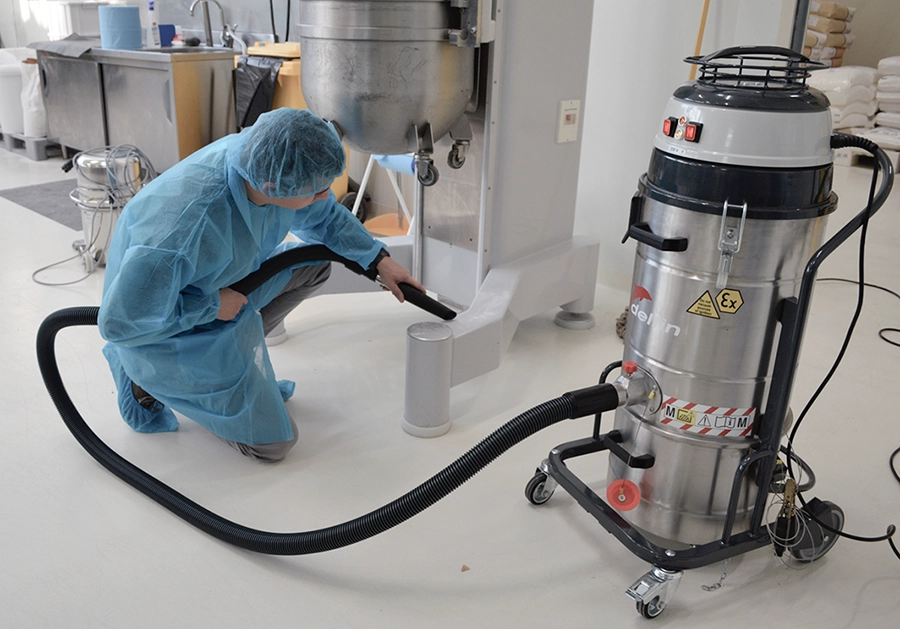
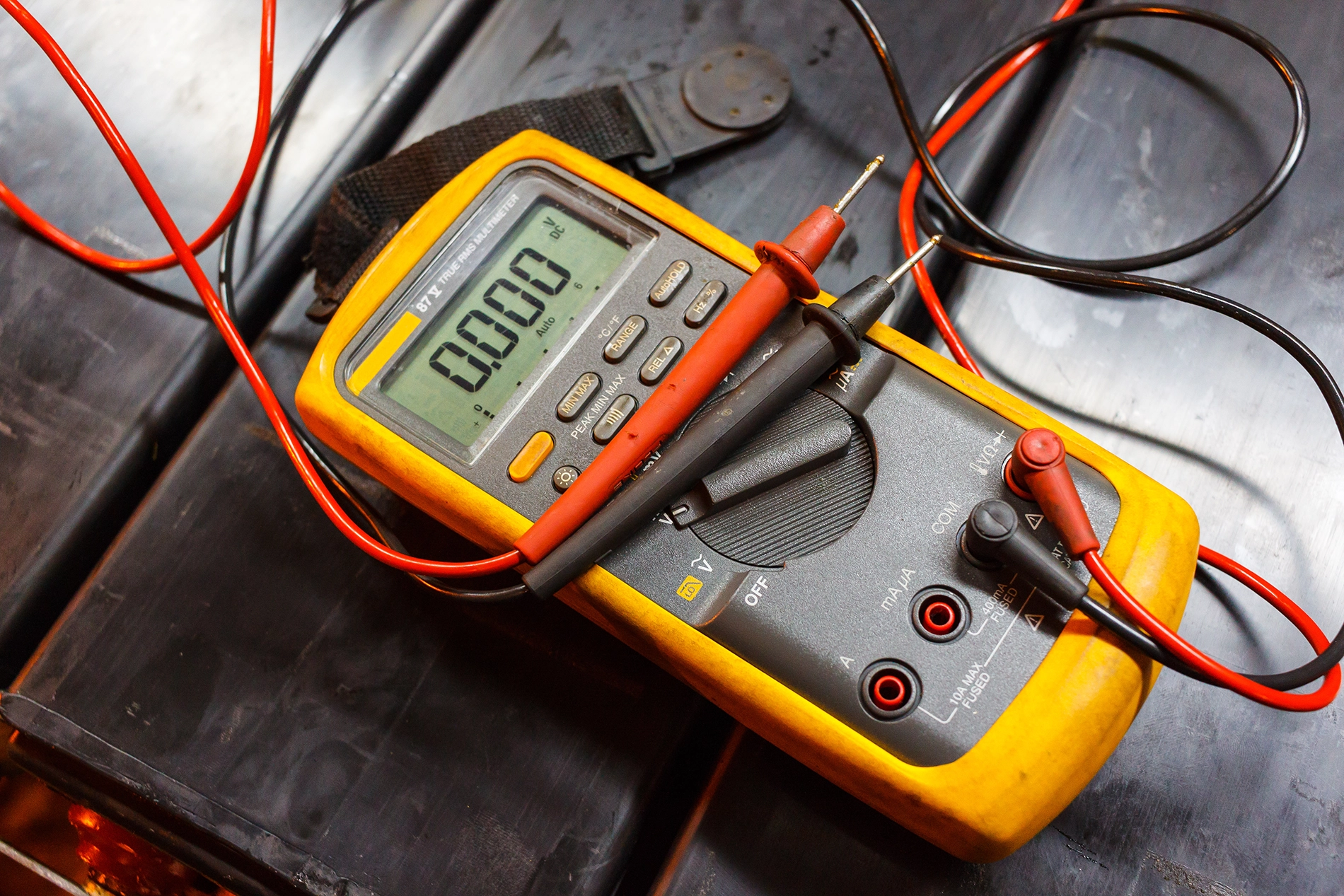
Even though this hose is not ATEX-relevant, these two articles provide useful background on electrical resistance and industrial safety — important if you later combine the hose with electrical equipment or work in mixed environments:
Industries that use it
The hose is used in industries where hot media and abrasion-resistant wall are combined needs:
Plastics, paper and mechanical industries use the hose for drying systems, vacuum pumps and hot processes.
Custom lengths and assemblies
The hose can be cut to length and assembled with couplings, cuffs and threaded fittings through Particulair's custom hose assemblies.
We offer guidance on material choice, coupling system and grounding, so the hose fits correctly into the overall system. If there is any doubt about zone classification or resistance requirements, a short conversation before ordering is well worth the time.


Frequently asked questions
How hot can the hose get?
Normal operating range is −40 °C to +125 °C. Short-term peaks up to +150 °C are permitted. That distinguishes the HT variant from standard PUR hoses, which are typically limited to +90 °C.
Is the hose ATEX-approved?
No. AIRDUC® PUR 351 HT (MD) is not antistatic and not ATEX-approved. For high-temperature applications in classified zones combined with antistatic wall, choose a TPE-based or metal hose solution.
What is the hose's expected service life?
Service life depends on operating conditions: loading, temperature, chemical exposure, UV and mechanical movement. In standard industrial use, expected life is 3-7 years. Aggressive conditions (high temperatures, continuous flexing, chemical vapours) reduce service life. We recommend regular visual inspection for cracks, deformation or discolouration.
What is the minimum bend radius, and what happens if I go below it?
Minimum bend radius is the smallest radius the hose can be bent to without permanent deformation or internal damage. The table above shows specific values for each dimension. Bending the hose below this limit can collapse the wall, kink the spiral or damage the inner coating. The result is reduced flow, increased pressure loss and shorter service life. Always use bend radius as a design constraint in installation.
What is the difference between "continuous operation" and "short-term peak"?
Continuous operation is the temperature the hose can operate at uninterrupted over long periods without material degradation. Short-term peak is the highest temperature the hose can be exposed to briefly (typically minutes, not hours) without permanent damage. Running continuously at peak temperature significantly reduces service life and can lead to sudden failure. Stay within the continuous limit in normal operation.
Which alternatives are available for even higher temperatures?
For continuous operation above the hose's limit, specialty hoses are available in the FlexCore range: silicone-based hoses such as CALORFORM (up to +110 °C), aramid- and silicone-based CP hoses (up to +280-300 °C), and metal-based hoses such as METAL HOSE 375 HT (up to +400 °C). The choice depends on temperature, mechanical loading and medium type. We are happy to advise on the right match.
What is the difference between working pressure and burst pressure?
Working pressure is the pressure the hose is designed to operate at continuously and safely. Burst pressure is where the hose mechanically fails. The safety factor is typically 3:1 (burst is 3× working pressure), but varies by construction. Running the hose close to burst pressure is never safe in practice — there must always be margin for sudden pressure spikes, temperature changes and material ageing. Stay below working pressure in normal operation.
What is the difference between PUR (polyurethane) and PVC (polyvinyl chloride)?
PUR has better wear resistance (typically 3-5× higher abrasion resistance than PVC), broader temperature range (−40 to +90 °C vs. PVC's −20 to +70 °C), and is more flexible at cold temperatures. PVC, on the other hand, is more economical and sufficient for many standard applications. Choose PUR for abrasive media and demanding temperatures; choose PVC for standard extraction and low-load pneumatics.