
Articles on ATEX, ACD
and explosion protection
We write about the topics where good answers are hard to find — EN 17348:2022, choosing between inert and ATEX, measuring ohm values on hoses, and how technical regulation turns into safe operation in the real world.
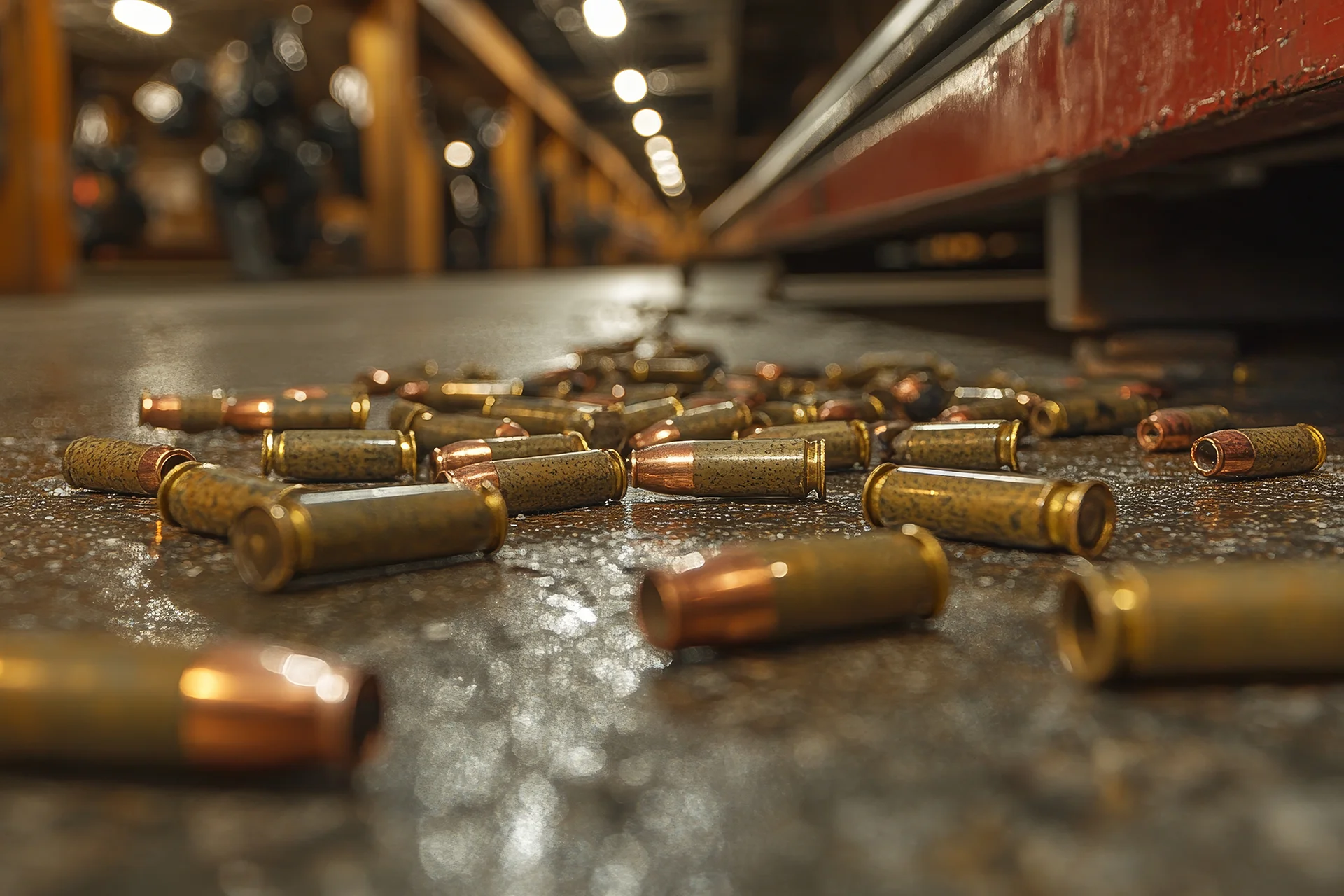
94 % of EU shooting ranges facing closure
Tighter EU rules on both lead exposure and explosion safety are hitting 20,000 European shooting ranges at the same time. The cost estimates are roughly five times higher than the authorities assumed.
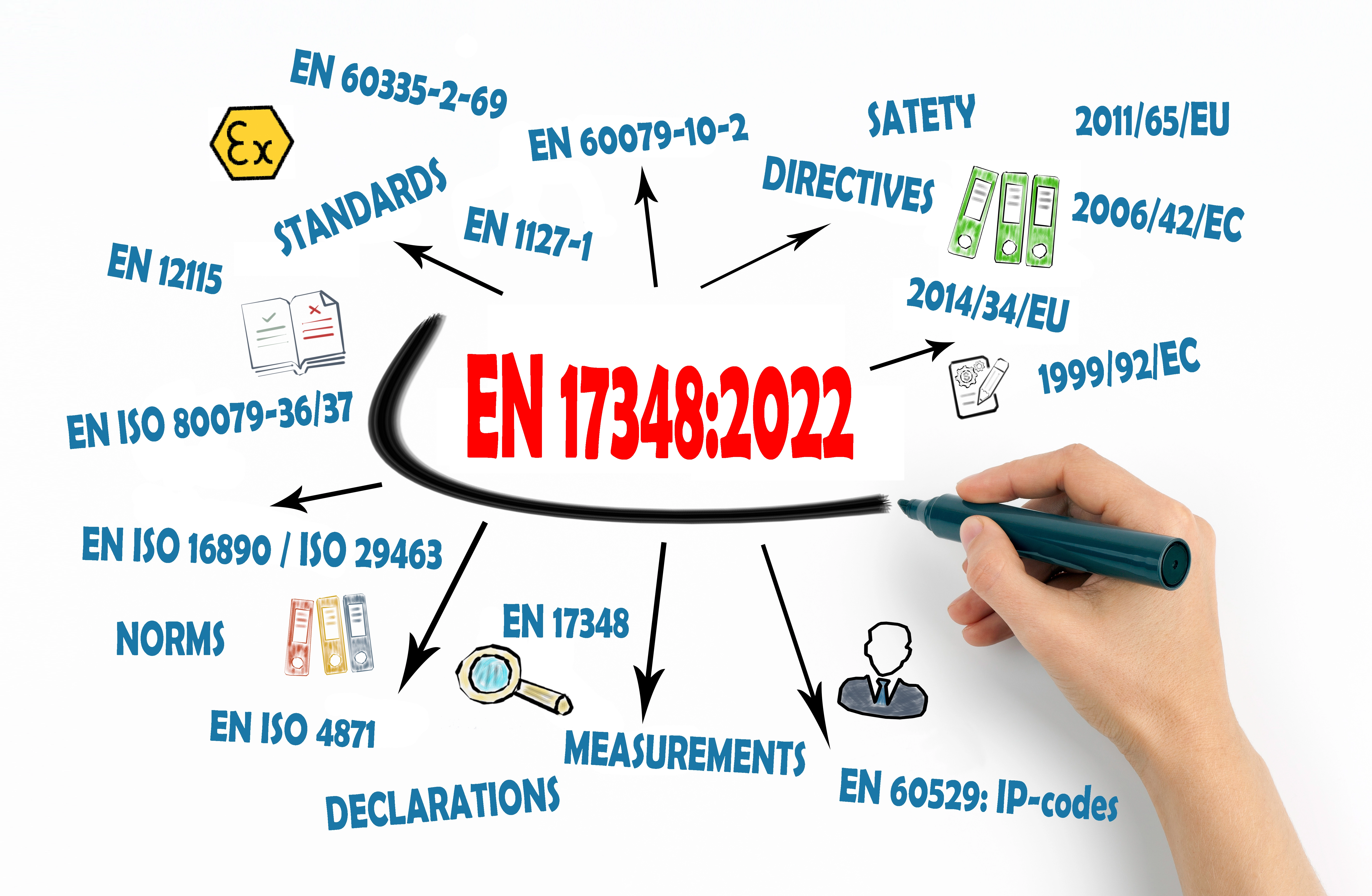
ATEX approval is no longer enough — get to know EN 17348:2022
Imagine this: you have invested in an industrial vacuum cleaner for your production. It has a nice ATEX label, and everything looks right. But does it live up to the standard that actually applies today?
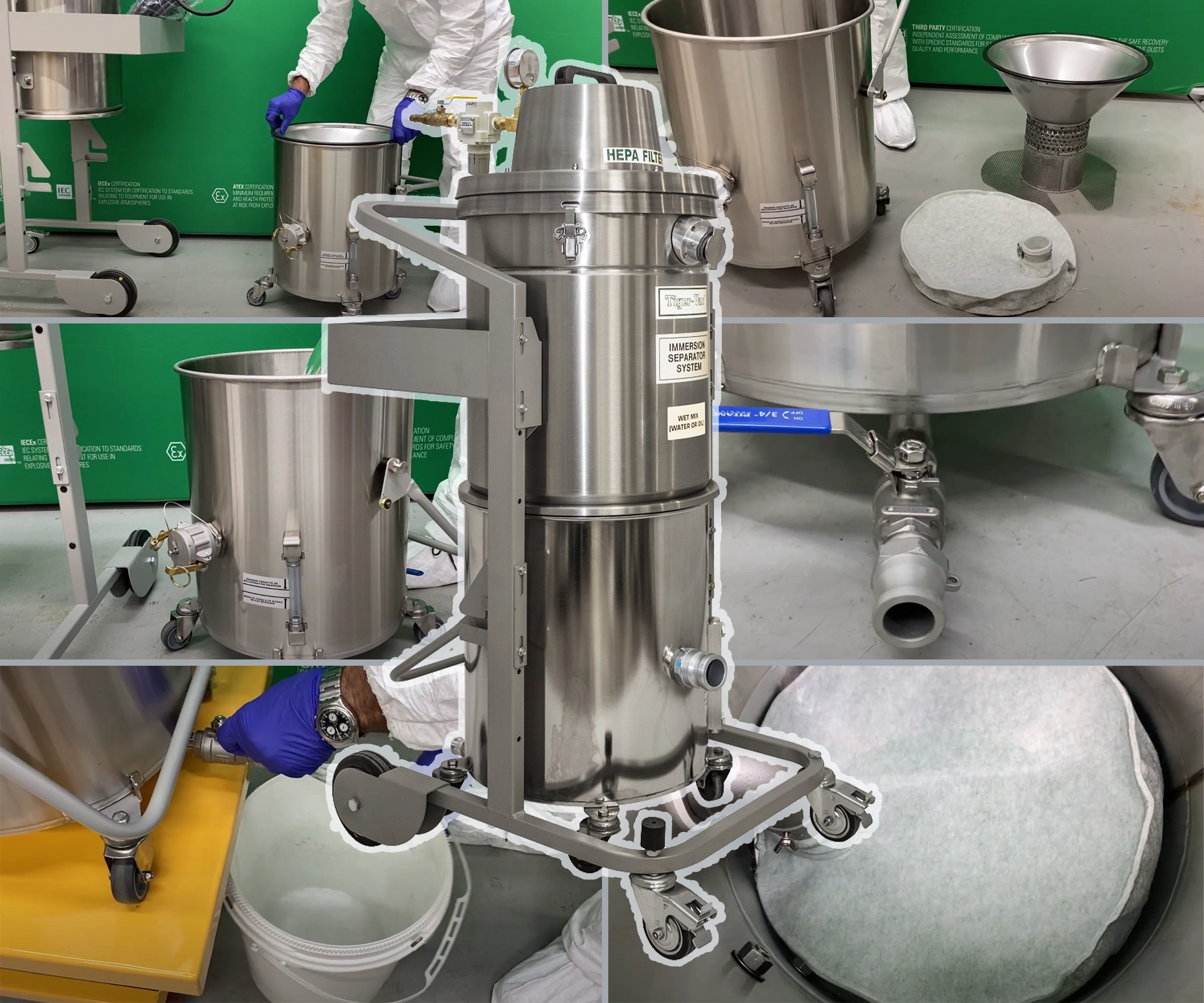
Inert vs ATEX
Are you working with conductive, combustible or self-igniting dust? Then a standard ATEX vacuum cleaner will in many cases not be sufficient to handle all the risks.
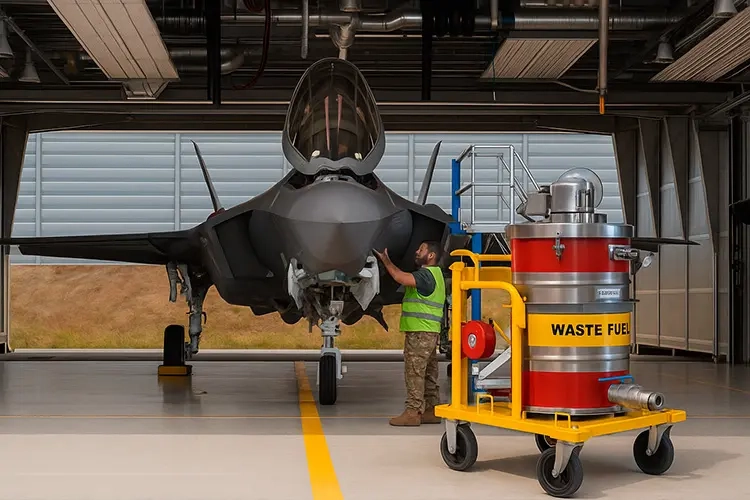
Fuel handling in the defence sector with Tiger-Vac
When an F-35 returns from a mission, disconnecting hoses and wiping up afterwards is not enough. Residual fuel, vapours and unintended spills have to be removed efficiently and without creating new hazards.
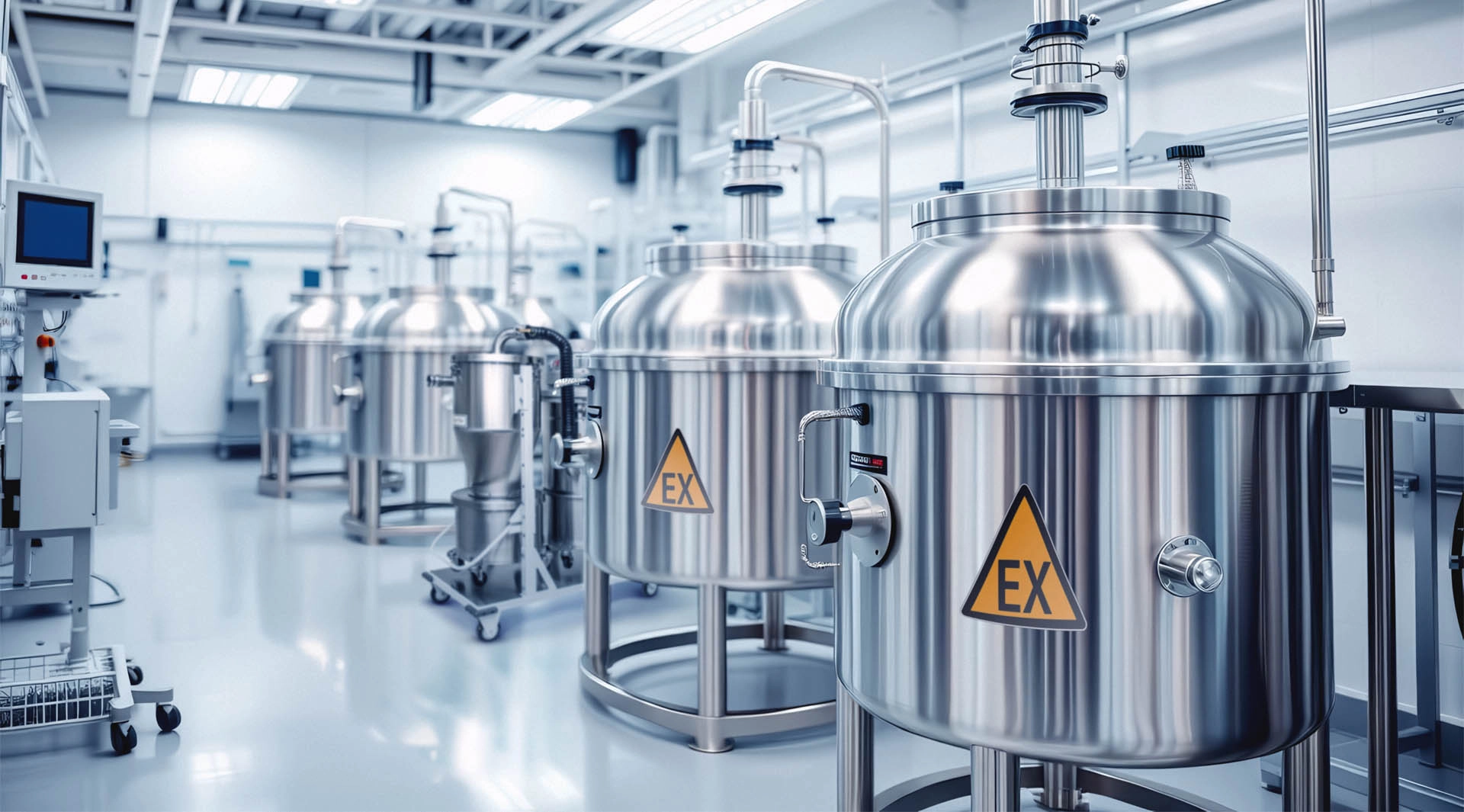
ATEX ABC — before the sparks, there are choices
ATEX is often presented as something technical that lives inside standards and directives. But in reality it is about preventing dust and sparks from becoming an explosion, and that starts with you.

May I use an ordinary vacuum cleaner for combustible dust?
Most dust types are harmless. But some of them — the ones that look like flour, salt and lactose — can kill people. Not because they are toxic, but because they explode.
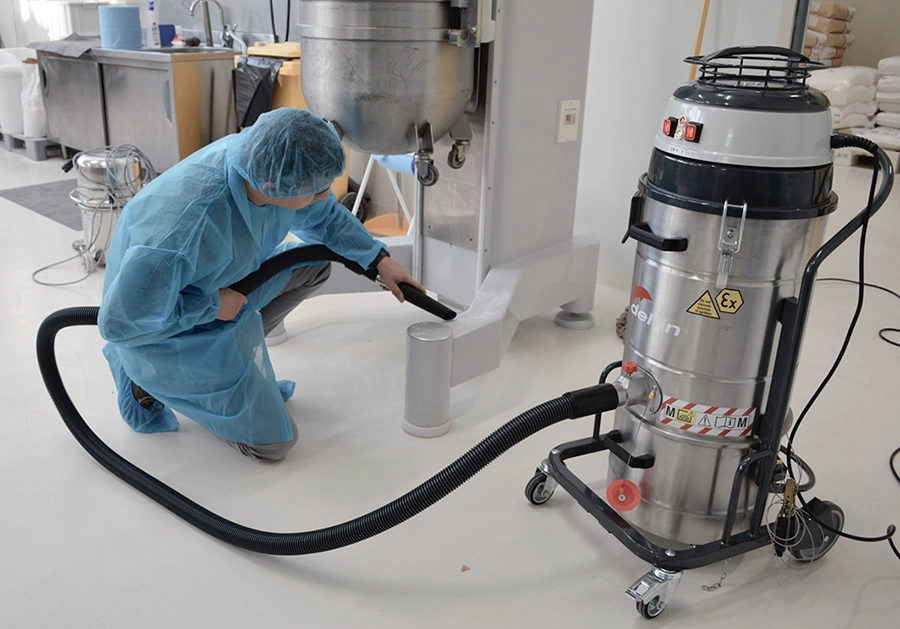
The invisible weakest link
A certified ATEX vacuum cleaner is only as safe as the accessories connected to it. This article is about the failures that happen every day, which nobody can see, but anyone can measure.
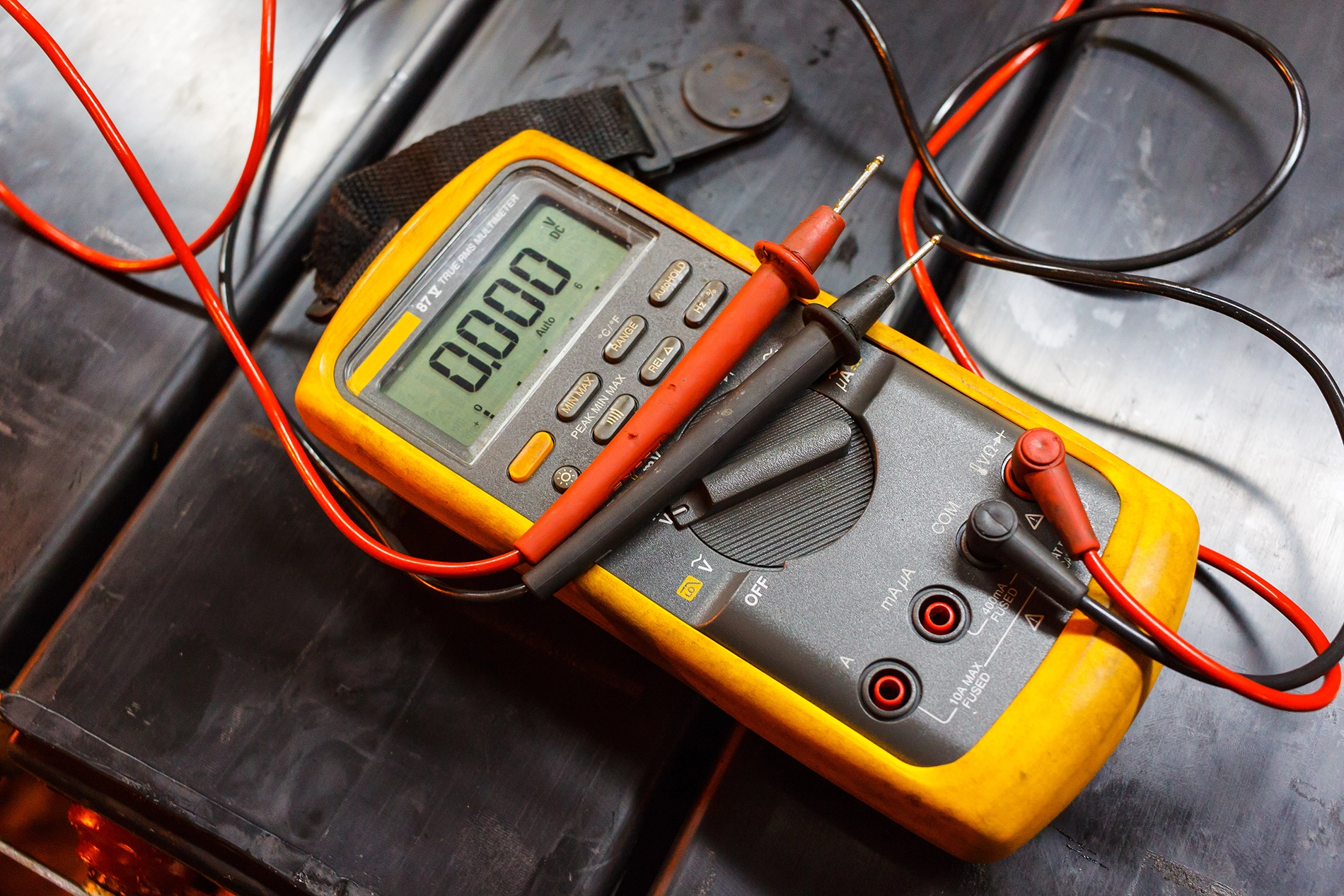
Know your ohm
Electrical resistance determines whether static charge dissipates safely to ground or builds up until a spark ignites. A practical guide to ohm values, measurement methods and the mistakes we see time and again.
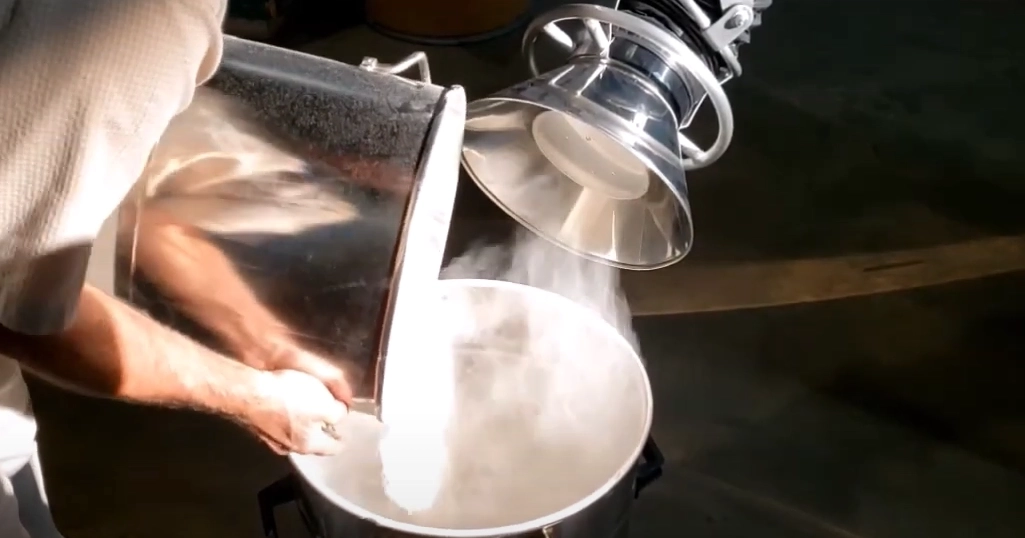
Process dust requires proximity
A dust collector is neither a vacuum cleaner nor a ventilation system. It is its own type of equipment — built for the situations where dust arises locally, continuously.

Need expert advice for your environment?
We advise on equipment selection based on your specific environment — not from a standard catalogue.