Chemical-resistant · Chemical-resistant
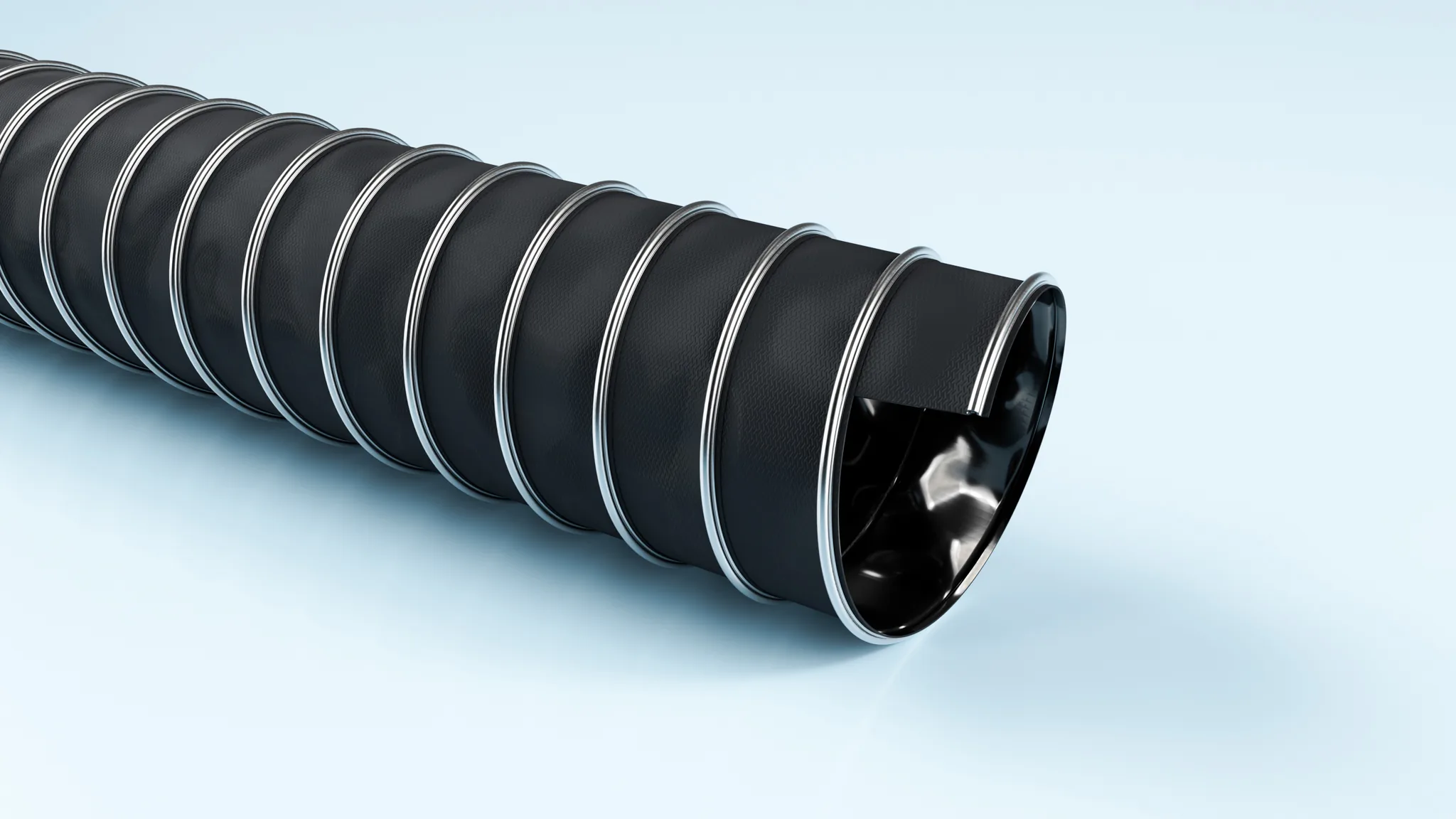
CP PTFE/GLASS-INOX 471 EC
ATEX-approved EC version of CP PTFE/GLASS-INOX 471 — electrically conductive (surface resistance <10⁶ Ω on PTFE film) and certified per ATEX 2014/34/EU + TRGS 727 for Zone 22 inside plus Zone 0, 1, 2 for gases. Service from −150 °C to +250 °C, peak +270 °C. Designed for vapour recovery systems and explosion hazard areas where extreme chemical resistance combines with ATEX requirements.
- ATEX Zone 0·1·2·22
- Conductive <10⁶ Ω
- Up to +250 °C
- Anti-adhesive PTFE
- INOX clamp profile
- Cut to length
Why this hose?
CP PTFE/GLASS-INOX 471 EC is the ATEX-certified version of the 471 range — the difference is that the PTFE film is made conductive (surface resistance <10⁶ Ω) by adding carbon. This means the hose dissipates static electricity and can be approved for ATEX zones.
The hose's ATEX marking covers both gas (Zone 0, 1, 2) and dust (Zone 22) — broader than many other ATEX-marked hoses. This makes it particularly suited for vapour recovery systems where the medium can alternate between vapours and particles over time.
Where it is used
The classic application is vapour recovery on storage tanks in petrochemical industry and fuel distribution. Here the combination of PTFE's broad chemical resistance + ATEX approval + wide temperature range is precisely what's needed.
In pharma it's used for high-purity transport lines in ATEX-relevant environments. The anti-adhesion property is important because pharma media are often valuable and even micro-deposits can contaminate later batches.
In everyday talk we call it a "PTFE EC" or "conductive PTFE clamp" — it's the top model for ATEX-relevant chemical applications.
Technical specifications
Technical specifications for CP PTFE/GLASS-INOX 471 EC.
| Material | PTFE (conductive), glass fibre reinforcement, INOX clamp profile |
|---|---|
| Temperature | −150 to +250 °C (peak +270 °C) |
| Resistance | PTFE film <106 Ω |
| ATEX | Zone 0·1·2 (gas) + Zone 22 (dust) |
| Conformity | ATEX 2014/34/EU, TRGS 727, REACH, RoHS |
| Cut to length | Yes |
| Manufacturer SKU group | 4711003 |
Dimensions and ordering
Standard dimensions for CP PTFE/GLASS-INOX 471 EC.
| Inner Ø |
Outer Ø |
Working pressure |
Vacuum |
Bend radius |
Max. length |
Weight |
Roll |
Article no. |
|---|---|---|---|---|---|---|---|---|
| 50.5 | 62.5 | 0.41 | 0.3 | 18 | 10 | 0.56 | 6 | 47100501003 |
| 70 | 82 | 0.34 | 0.21 | 22 | 10 | 0.75 | 6 | 47100701003 |
| 75.6 | 87.6 | 0.325 | 0.18 | 24 | 10 | 0.8 | 6 | 47100751003 |
| 80 | 92 | 0.315 | 0.16 | 24 | 15 | 0.85 | 6 | 47100801003 |
| 101.5 | 113.5 | 0.195 | 0.1 | 28 | 15 | 0.8 | 6 | 47101001003 |
| 110 | 122 | 0.185 | 0.085 | 30 | 15 | 0.86 | 3, 6 | 47101101003 |
| 115 | 127 | 0.18 | 0.08 | 32 | 15 | 0.9 | 3, 6 | 47101151003 |
| 120 | 132 | 0.175 | 0.075 | 32 | 15 | 0.93 | 3, 6 | 47101201003 |
| 126.5 | 138.5 | 0.17 | 0.07 | 34 | 15 | 0.98 | 3, 6 | 47101251003 |
| 151.5 | 163.5 | 0.11 | 0.04 | 38 | 15 | 0.85 | 3, 6 | 47101501003 |
| 160 | 172 | 0.105 | 0.035 | 40 | 15 | 0.9 | 3, 6 | 47101601003 |
| 180 | 192 | 0.095 | 0.03 | 44 | 15 | 1 | 3, 6 | 47101801003 |
| 202.3 | 214.3 | 0.09 | 0.025 | 48 | 15 | 1.12 | 3, 6 | 47102001003 |
| 215 | 227 | 0.085 | 0.02 | 52 | 15 | 1.19 | 3, 6 | 47102151003 |
| 250 | 262 | 0.065 | 0.02 | 58 | 15 | 1.38 | 3, 6 | 47102501003 |
| 300 | 312 | 0.055 | 0.01 | 68 | 15 | 1.65 | 3, 6 | 47103001003 |
Fields without a value (—) are not specified in the manufacturer's factsheet. Overpressure and underpressure values are recommended operating limits; the product can be subjected to higher loads on request. Bend radius is measured along the inside of the hose bend.

Standards and compliance
CP PTFE/GLASS-INOX 471 EC is certified to:
- ATEX 2014/34/EU (1999/92/EC). Directive for equipment in explosive atmospheres. Covers Zone 0, 1, 2 (gas) and Zone 22 (dust).
- TRGS 727. German technical rule for handling of hazardous substances.
- REACH and RoHS. EU directives for chemicals.
Documentation and downloads
Additional documents about this hose, its compliance and installation. Click to download as PDF in a new tab.
Help with material selection
If you're choosing a hose and are unsure about the right resistance level or zone classification, these two articles are a good place to start:
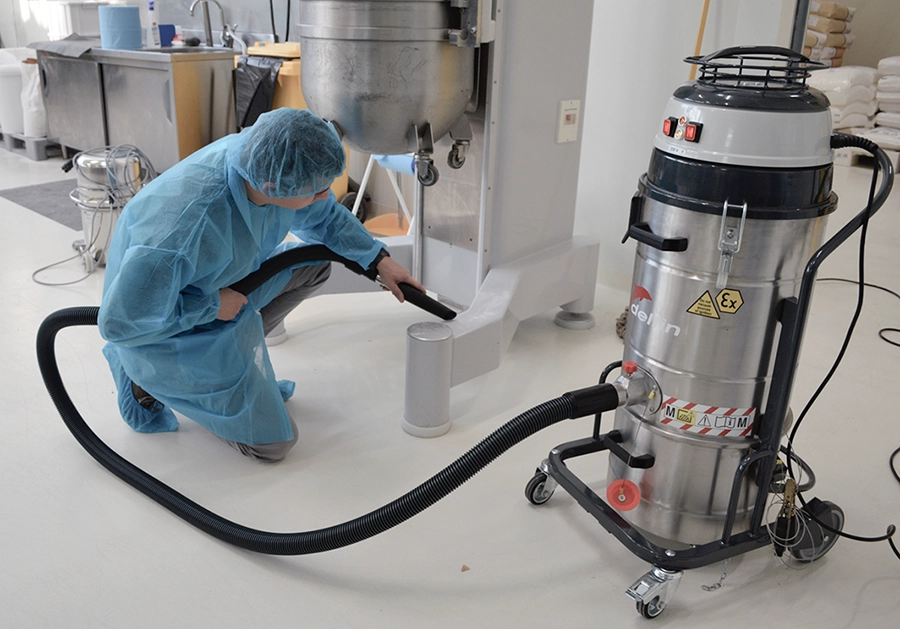
The invisible weakest link
Why a conductive or antistatic hose isn't sufficient on its own — and what grounding means for the complete system.
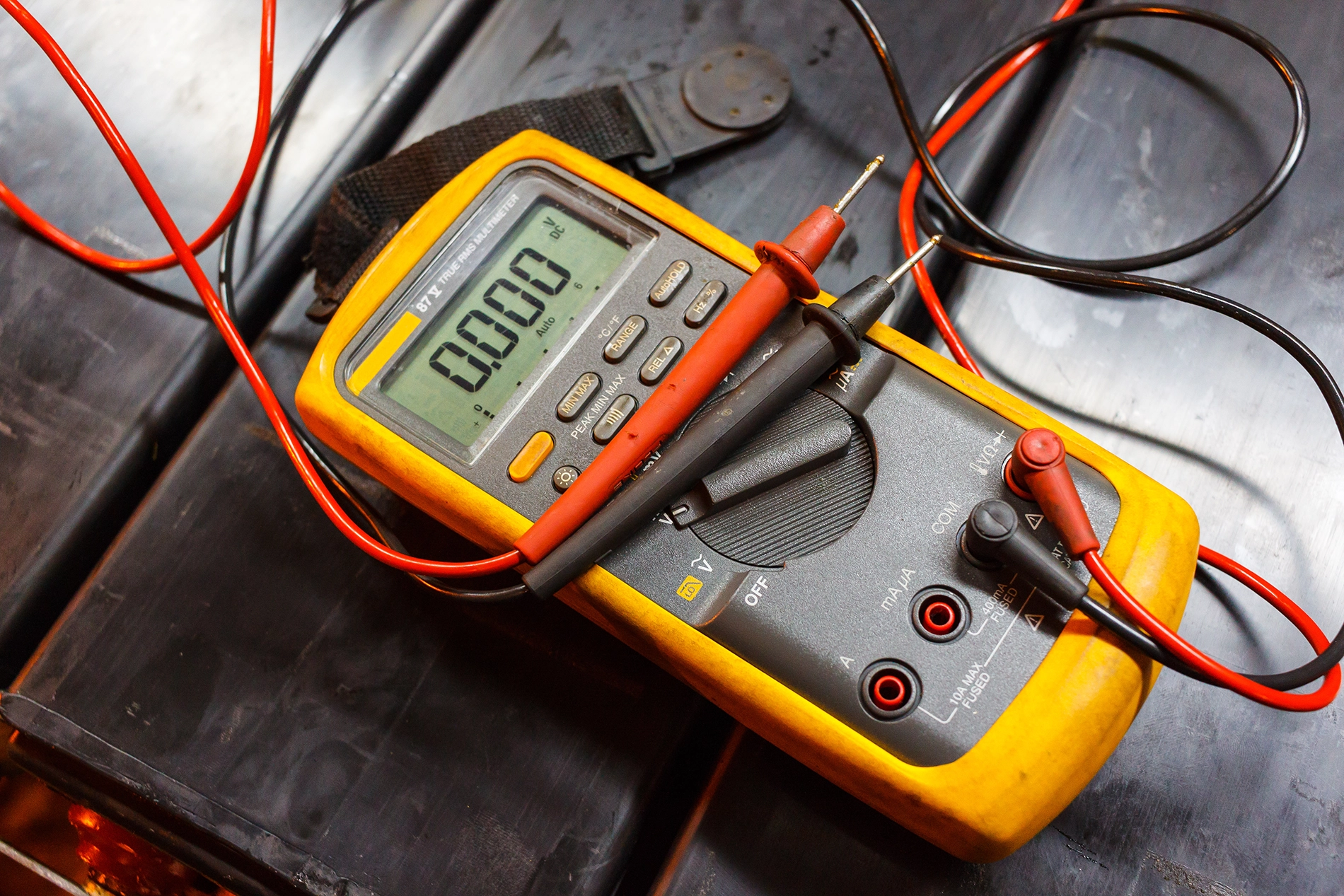
Know your ohm
The difference between antistatic and conductive, which resistance limits apply where, and how to measure them correctly.
Industries that use it
CP PTFE/GLASS-INOX 471 EC is used where ATEX requirements combine with extreme chemical resistance:
In petrochemical industry it's standard on vapour recovery systems where fuel vapours must be condensed back. The ATEX approval for both gas and dust broadly covers storage tank installations.
In pharma it's used in ATEX-relevant production lines where high purity combines with explosion hazard — e.g. handling solvents in closed systems.
Custom lengths and assemblies
The hose is delivered on 3 m, 6 m and 10 m rolls. We cut to length and fit INOX flange couplings with correct grounding — important for the ATEX approval to be active in the installation.
For specific chemical process facilities we can advise on coupling materials matching your medium while maintaining ATEX compliance.


Frequently asked questions
What's the difference between 471 and 471 EC?
471 has insulating PTFE lining and is NOT ATEX-approved. 471 EC has conductive PTFE film (surface resistance <10⁶ Ω) and IS ATEX-approved for Zone 0, 1, 2 (gas) and Zone 22 (dust). Choose 471 for standard chemical applications; choose 471 EC for ATEX zones.
What is Zone 0?
Zone 0 is the highest classification for explosive gas atmospheres — continuously or for long periods present. Typically inside a tank with fuel or solvent vapours. The hose can be approved for transport in Zone 0 because the PTFE film is chemically resistant AND ATEX-conductive.
Does it tolerate −150 °C?
Yes. PTFE is one of the few materials that work both at very low temperatures (cryogenic level) and high temperatures in the same product. This makes the hose usable in cryogenic storage applications as well as high-temperature process industry.
Does the hose need to be grounded?
Yes, ALWAYS. The ATEX approval requires correct grounding at both ends. Without grounding, static charge accumulates in the hose instead of being dissipated — can trigger an explosion.
Does it tolerate aqueous media down to −150 °C?
At such low temperatures water is solid (ice). PTFE tolerates contact with cryogenic liquids like liquid nitrogen, helium and argon. For specific applications the material should be cross-checked against the specific cryogenic liquid.
Can I get it with specific flange couplings?
Yes. We fit INOX flanges with correct grounding as a finished assembly. For specific ATEX facilities we can advise on coupling materials that maintain zone approval.