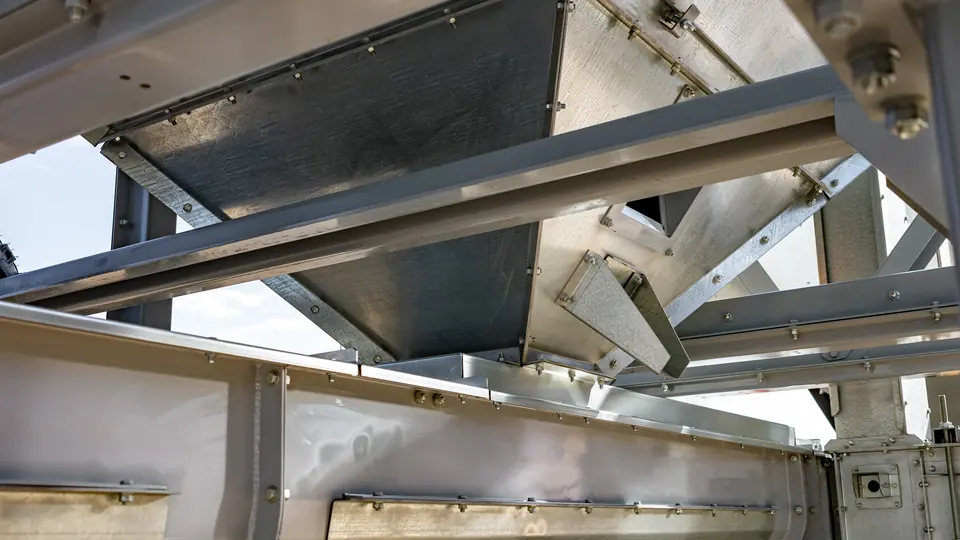
When the material will not leave the silo
A bridge, a rathole, or simply too much air? First you need to know why the material stops. After that there is usually a component that gets it moving again.
Particulair supplies OLI's range of flow aids to production plants in Denmark, Poland and the rest of Europe. Pneumatic and electric vibrators, air cannons, hammers, fluidisation and vibrating silo bottoms — ATEX versions included.
Or call: +45 70 23 12 03
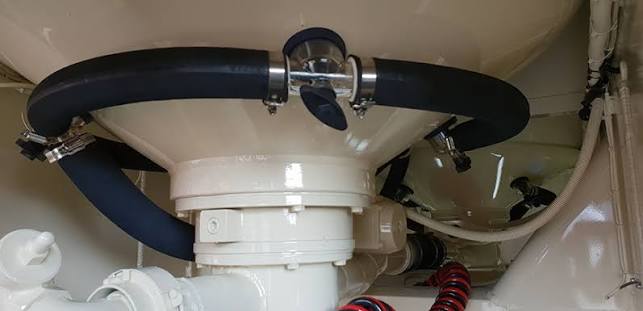
Diagnosis first, then the component. We point to what solves the problem, not to the most expensive item.
Questions? Contact us →What do you see in the silo?
They look alike from the outside, but each has its own cause and its own remedy. That is why the same vibrator does not work everywhere. Pick the one that looks closest.
Narrow it down, if you like
You do not have to answer everything. Every answer sharpens the suggestion.
Advisory. Final sizing needs a conversation, and for some materials the answer is not equipment at all, but the geometry of the hopper.
Six ways to get the material moving
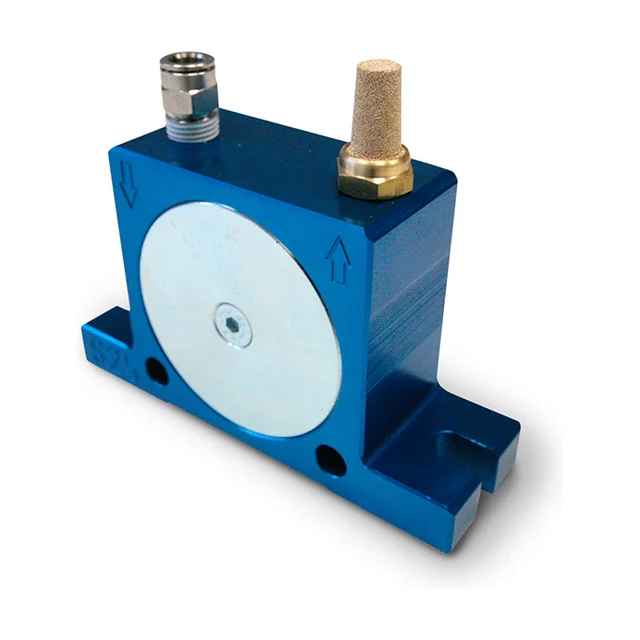
Pneumatic vibrators
Ball, roller, turbine and piston vibrators. The workhorse of the range.
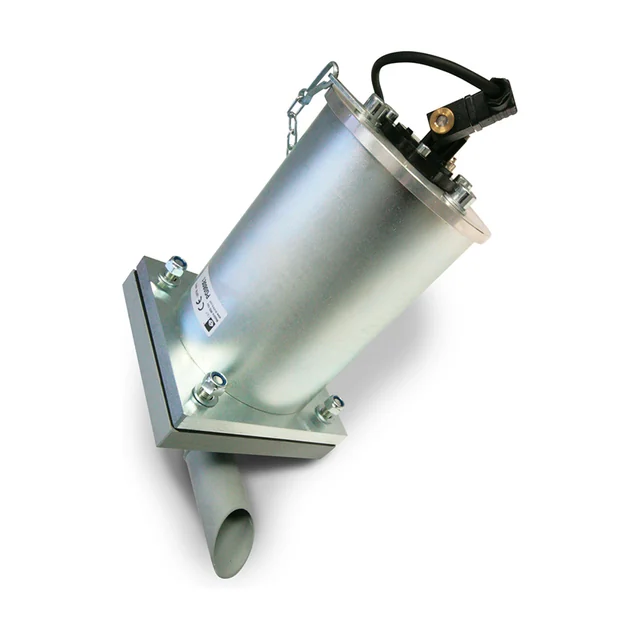
Air cannons
One powerful blast of air along the wall that breaks bridges and tears firm deposits off, where vibration is not enough. The OLI PG range.
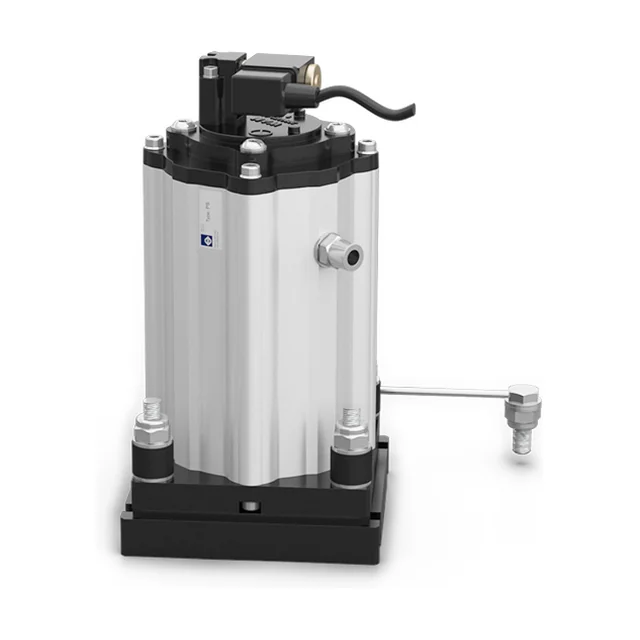
Pneumatic hammers
One measured blow against a welded plate, where the material clings to the wall and neither air nor vibration tears it loose. The OLI PS range.
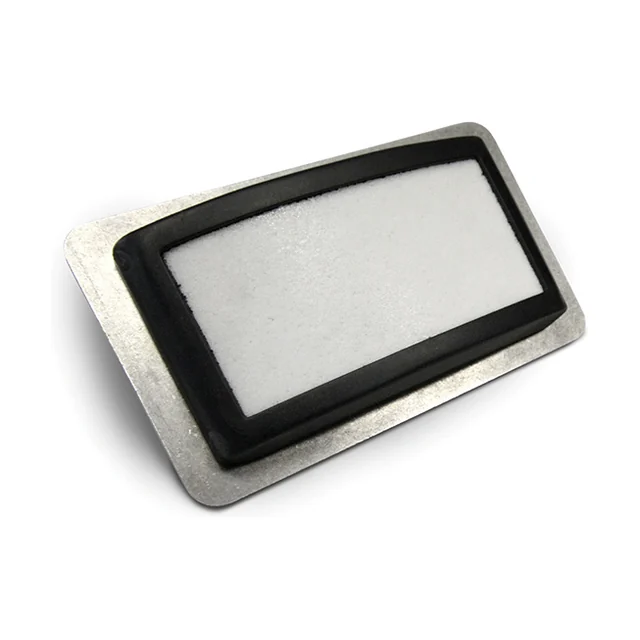
Fluidisation
Pads with a porous face that lay air in under the material along the wall so it lets go. The OLI I100 and U ranges.
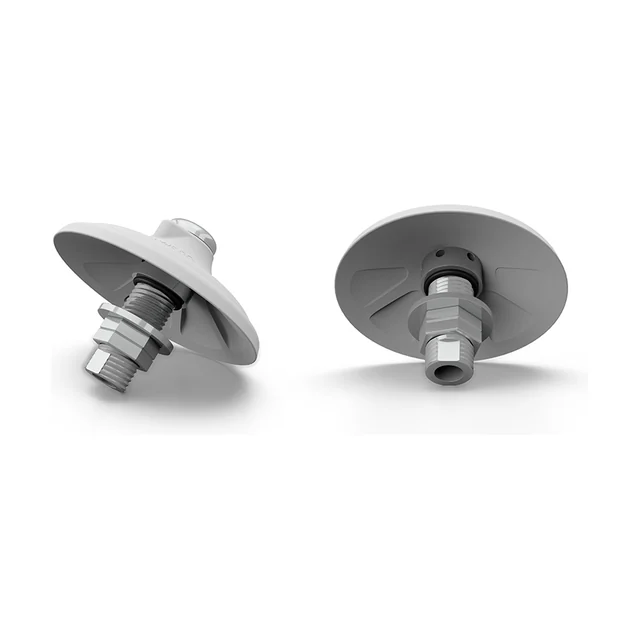
Bin aerators
Small air discs in the cone wall that break the bridge where it stands. The OLI VBS range.
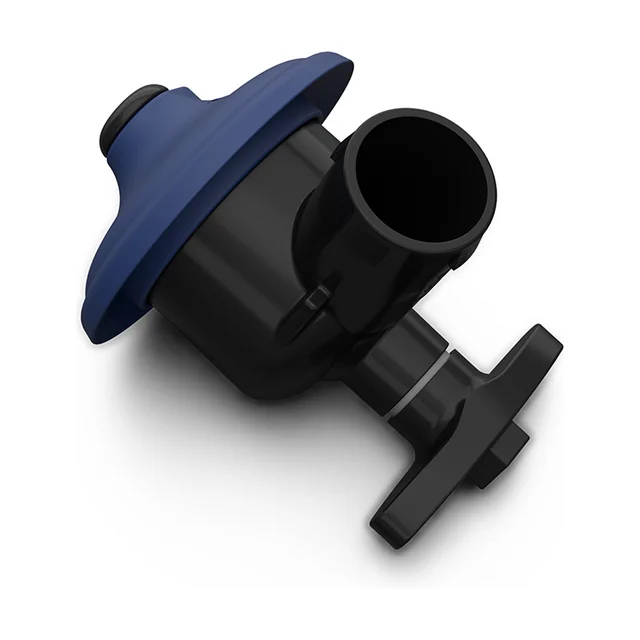
Equipment for silo trailers
Unloading tankers and silo trailers, where time at the ramp is what costs.
The background, if you want it
Two guides written for the person who has to make the decision, not for the specialist.